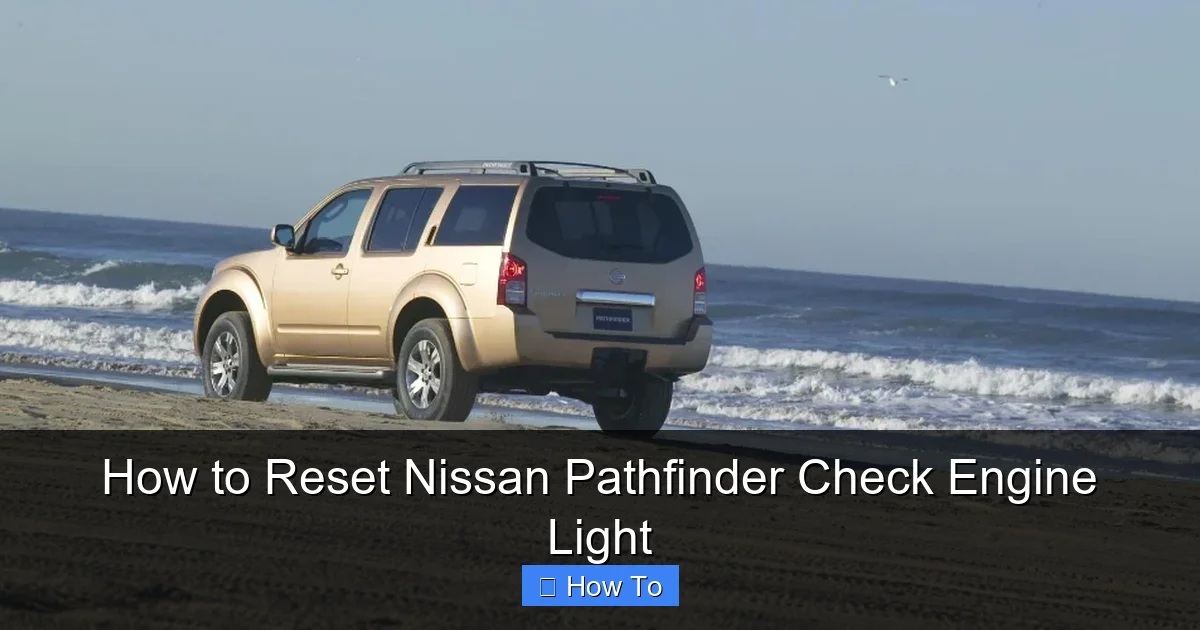
2014 Pathfinder Check Engine Light: A Practical Troubleshooting Guide
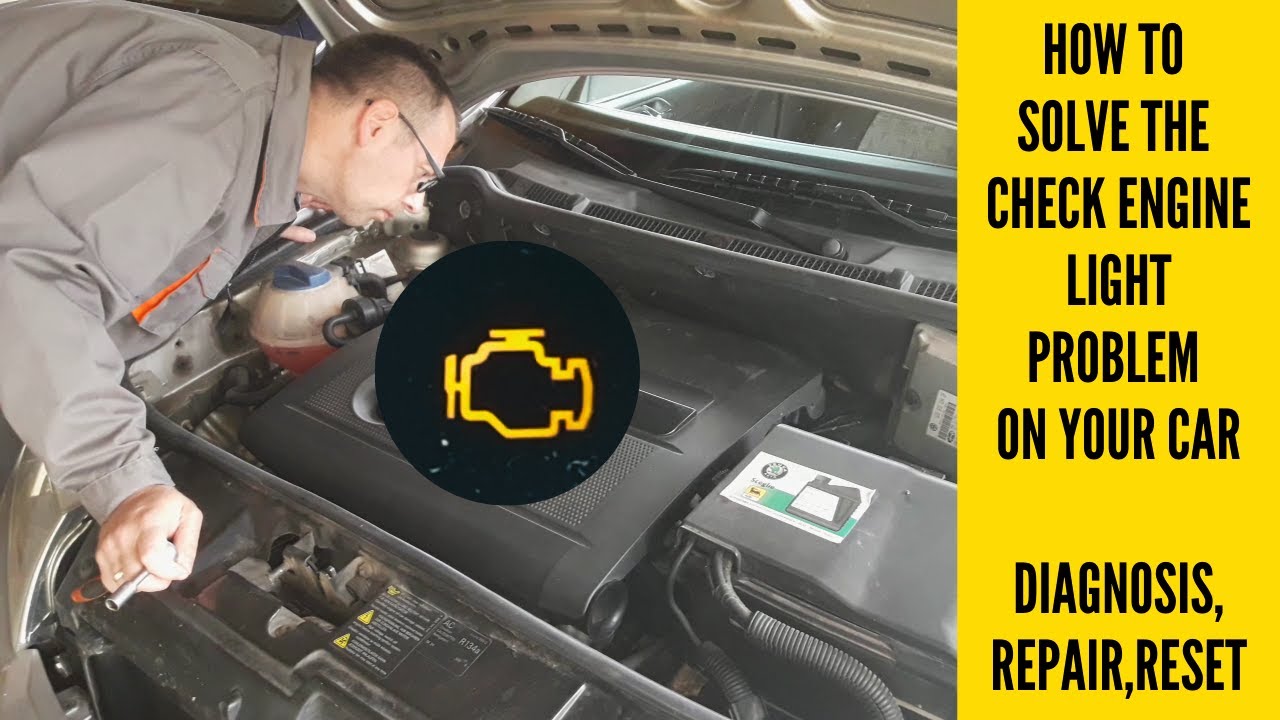
There is nothing quite as anxiety-inducing as seeing the orange check engine light illuminate on your dashboard while you’re cruising down the highway. For owners of the 2014 Nissan Pathfinder, this sudden glow often triggers a cascade of worst-case scenarios. Did the transmission seize? Is the engine overheating? The reality, however, is usually far less dramatic. While the check engine light can signal serious mechanical failure, it frequently points to minor issues that are easy and inexpensive to fix.
The 2014 Pathfinder, particularly the R51 generation introduced that year, is a capable SUV, but it is not immune to common automotive gremlins. Before you rush to the dealership with a full credit card in hand, it helps to understand what that light actually means and how to perform some basic diagnostics. In many cases, the solution might involve simply tightening a gas cap or replacing a worn-out sensor.
Understanding the Severity of the Light
Not all check engine lights are created equal. The behavior of the light often tells you how urgent the issue is. If the light is steady, the problem is likely non-critical. You can usually drive the vehicle while you schedule an appointment to have it diagnosed. Common causes for a steady light include a loose gas cap, a failing oxygen sensor, or a minor emissions system issue.
However, if the light is blinking, you should pull over immediately. A blinking check engine light typically indicates a severe engine misfire. Continuing to drive with a misfire can damage the catalytic converter, leading to repairs that run into the thousands of dollars. If it’s blinking, reduce speed, turn off the air conditioning to reduce engine load, and head straight to a mechanic. Do not ignore a blinking light.
Common Causes Specific to the 2014 Pathfinder
While the check engine light can trigger for hundreds of different diagnostic trouble codes (DTCs), certain issues pop up more frequently than others in the 2014 Pathfinder model year and its platform siblings. Here are the most common culprits:
- Loose or Damaged Gas Cap: This is the most common and cheapest fix. If the seal on your gas cap is worn or you didn’t click it shut properly, evaporative emission control systems detect a leak and trigger the light.
- Oxygen (O2) Sensor Failure: O2 sensors monitor the air-fuel ratio. When they fail, your engine may run rich or lean, reducing fuel economy and increasing emissions. These wear out over time due to high heat exposure.
- Maf Sensor Issues: The Mass Airflow sensor measures the amount of air entering the engine. Dirt, debris, or electrical failure can cause erratic idle, hesitation, or poor acceleration alongside the warning light.
- Catalytic Converter Efficiency: Though less common as a primary failure, a failing catalytic converter will trigger codes related to efficiency below threshold. This is often a secondary symptom of unresolved misfires or rich fuel conditions.
- EGR Valve Malfunction: The Exhaust Gas Recirculation valve reduces nitrogen oxides. If it gets clogged with carbon buildup, it can cause rough idling and trigger the light.
The First Step: Read Your Codes
Guessing what is wrong is rarely effective. The engine control unit (ECU) stores specific codes that narrow down the problem area. You don’t necessarily need a professional scanner to get this information. Most auto parts stores will scan your vehicle’s codes for free. Alternatively, you can purchase an affordable OBDII Bluetooth scanner that connects to your smartphone.
When you pull the codes, pay attention to the prefix. Codes starting with P0xxx are generic powertrain codes, meaning they apply to many vehicles. Codes starting with P1xxx are manufacturer-specific to Nissan. For the 2014 Pathfinder, you might see codes like P0420 (Catalyst System Efficiency) or P0171/P0172 (System Too Lean/Rich). Write these codes down before clearing them, as clearing the light will also wipe the stored data.
Doing It Yourself: Basic Diagnostics
Once you have the code, you can start investigating. If the code relates to the evaporative system (like P0440 or P0455), check your gas cap first. Inspect the rubber seal for cracks or grit. Replace the cap if it looks worn, drive for a few days, and see if the light returns. Sometimes, the light will turn off on its own after a few drive cycles if the issue was temporary.
For oxygen sensor or MAF sensor codes, visual inspection is a good start. Look for damaged wiring harnesses near the engine. For the MAF sensor, you can try cleaning it with specialized MAF cleaner spray, but only if the service manual confirms it is safe and accessible for your specific model. If the light persists after cleaning or replacing a sensor, consult a professional. Modern vehicles have complex computer systems, and incorrect repairs can lead to further complications.
When to Seek Professional Help
If the basic checks don’t resolve the issue, or if you are dealing with a blinking light, professional diagnosis is essential. Mechanics have access to live data streams from the vehicle’s computer, allowing them to see how sensors are performing in real-time while the engine is running. They can also check for technical service bulletins (TSBs) that might apply to your specific VIN.
Ignoring the check engine light is not a viable long-term strategy. Even if the car drives fine, underlying issues can worsen. A small fuel trim imbalance can lead to carbon buildup. A failing O2 sensor can ruin your fuel economy. Address the light early, diagnose accurately, and fix the root cause to keep your 2014 Pathfinder running smoothly for years to come.
Frequently Asked Questions
How much does it cost to diagnose a check engine light?
Many auto parts stores offer free code scanning. However, a professional diagnosis at a repair shop typically costs between $100 and $150. This fee often covers labor to interpret the codes and perform visual inspections, though it may not include parts or repair labor.
Can I drive my 2014 Pathfinder with the check engine light on?
If the light is steady, you can likely drive it for a short time while arranging repairs. If the light is blinking, do not drive the vehicle. A blinking light indicates a severe misfire that can cause expensive catalytic converter damage within minutes of driving.
Does a bad gas cap really trigger the check engine light?
Yes. The evaporative emission control system monitors for fuel vapor leaks. A loose, cracked, or improperly sealed gas cap allows vapors to escape, triggering codes such as P0455, which indicates a large leak in the system.
How do I reset the check engine light?
You can reset the light using an OBDII scanner by selecting the "clear codes" function. Disconnecting the negative battery terminal for a few minutes can also reset it, but this will clear other settings, like radio presets and clock. Note that the light will return if the underlying issue is not fixed.