7 Essential Books to Master Technical Stock Analysis
Technical analysis can feel like a foreign language—charts, patterns, indicators—all swirling together. The good news? A steady hand on a few well‑chosen books can turn that chaos into a readable roadmap. Below is a curated list that blends classic theory with modern practice, perfect for anyone serious about decoding market moves.
Why a Reading List Matters
Even the most sophisticated software is built on concepts that originated in the pages of a handful of seminal works. By studying the foundations, you’ll:
- Spot genuine signals versus noise.
- Understand the psychology behind price action.
- Apply tools across different asset classes, not just stocks.
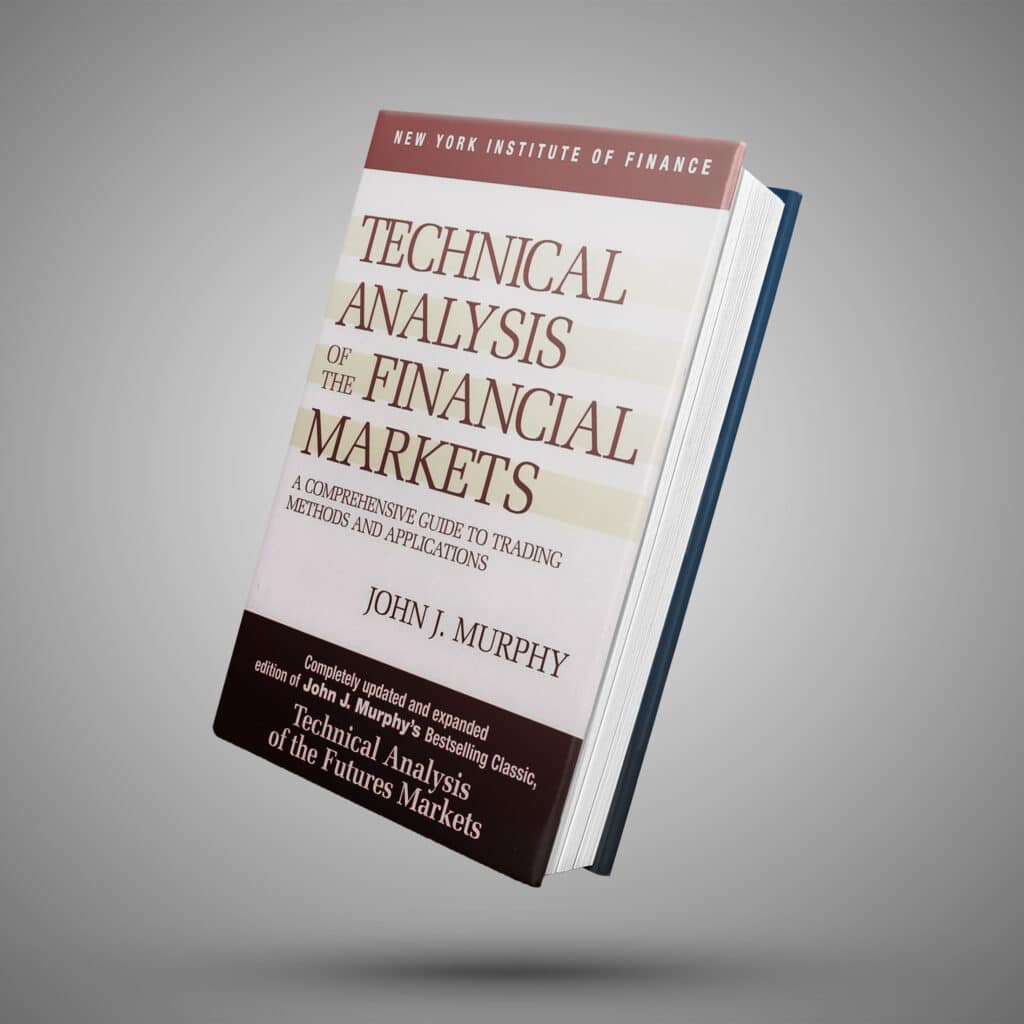
1. Technical Analysis of the Financial Markets by John J. Murphy
This tome is often called the Bible of technical analysis. Murphy covers everything from basic chart types to advanced oscillators, and his explanations are peppered with real‑world examples. If you’re looking for a single reference that you’ll keep on your desk for years, this is it.
2. Japanese Candlestick Charting Techniques by Steve Nison
Candlesticks are the lingua franca of chartists. Nison introduced Western traders to these Japanese patterns in the early ’90s, and his book remains the definitive guide. Expect clear diagrams, historical anecdotes, and practical tips for integrating candlesticks with other indicators.
3. Encyclopedia of Chart Patterns by Thomas Bulkowski
Bulkowski’s work is a massive catalog of patterns, complete with statistical success rates. It’s not light reading, but the data‑driven approach helps you separate hype from historically reliable formations.
4. Technical Analysis Explained by Martin Pring
Pring excels at breaking down complex ideas into digestible concepts. His sections on market cycles and momentum are especially valuable for traders who want to blend technicals with a broader market perspective.
5. Trading Systems and Methods by Perry Kaufman
Kaufman’s focus is systematic—how to build, test, and refine trading rules. The book walks you through creating a personal methodology, complete with sample code snippets that can be adapted to modern platforms.
6. Market Wizards: Interviews with Top Traders by Jack D. Schwab
While not a textbook, this collection of interviews reveals the mindset behind successful technical traders. The anecdotes illustrate how theory translates into real‑world decision making—and where intuition still matters.
7. Technical Analysis Using Multiple Timeframes by Brian Shannon
Timeframe analysis often gets overlooked, yet it’s crucial for aligning short‑term entries with long‑term trends. Shannon’s guide offers concrete examples of multi‑timeframe setups, making the concept approachable even for newcomers.
How to Get the Most Out of These Books
Reading alone won’t make you a master. Pair the theory with hands‑on practice:
- Take notes: Jot down key formulas, pattern criteria, and personal insights.
- Apply immediately: Open a charting platform and replicate examples as you read.
- Back‑test: Use historical data to see whether a pattern or system would have worked.
- Review regularly: Revisit chapters after a few weeks; concepts often click later.
And remember, markets evolve. Keep these books as a foundation, but stay curious about new tools—machine‑learning filters, alternative data, and emerging asset classes all benefit from a solid technical grounding.