7 Social Media Platforms You Need in 2024
It’s easy to feel overwhelmed by the sheer number of social networks out there. Every week, it seems like a new app is promising to revolutionize how we connect, share, or sell things. But here’s the reality: you don’t need to be everywhere. In fact, trying to maintain a presence on every platform often leads to burnout, diluted quality, and wasted time.
Instead of casting a wide net, it’s smarter to focus on the platforms that actually align with your goals—whether that’s building a personal brand, growing a business, or just staying connected with friends. While niches like TikTok and Threads have made noise recently, the core digital landscape still relies on a specific set of heavy hitters. If you’re looking to refine your strategy, these are the seven social media platforms you truly need to understand right now.
1. Instagram: The Visual Storyteller
Let’s start with the one that rarely misses. Instagram remains the gold standard for visual content, blending the photo-centric culture of its early days with the addictive, short-form video trends of today. For creators and brands, it offers a unique hybrid approach. You have polished, aesthetic feed posts, ephemeral stories that drive daily engagement, and Reels that compete directly with TikTok for attention.
Why it’s essential: It’s perhaps the most versatile platform for personal branding. Whether you’re a photographer, a fashion influencer, or a small business owner, Instagram provides a storefront that feels personal yet professional. The algorithm rewards consistency and high-quality visuals, making it a reliable choice for long-term growth.
2. LinkedIn: Your Professional Digital Home
If you have LinkedIn and you’re only using it as a static resume, you’re leaving money on the table. Over the last few years, LinkedIn has transformed from a stiff networking directory into a vibrant content platform. It’s where B2B marketing happens, where industry insights are shared, and where career opportunities are often found before they’re even listed on job boards.
Why it’s essential: Few other platforms offer the same direct line to decision-makers and professionals in your specific field. For freelancers, consultants, and corporate employees, nurturing connections here is non-negotiable. It’s not about posting viral memes; it’s about demonstrating expertise and building trust within your industry.
3. TikTok: The Creativity Engine
You might be younger or older than the average TikTok user, but that doesn’t mean you can ignore it. TikTok has fundamentally changed how content is consumed, pushing short-form video to the forefront of social media. Its algorithm is notoriously effective at showing content to people interested in it, regardless of how many followers you have. This “discovery-based” model is a massive advantage for new accounts.
Why it’s essential: Even if you don’t plan to go viral, understanding TikTok trends is crucial for cultural relevance. Brands that dismiss TikTok often miss out on a highly engaged demographic. Moreover, many TikTok trends spill over into Instagram Reels and YouTube Shorts, making it the primary source of creative inspiration for multi-platform strategies.
4. X (Formerly Twitter): The News Wire
Despite its branding changes and various controversies, X remains the go-to platform for real-time commentary. It’s where journalists break news, where tech leaders debate the future of AI, and where public figures speak their minds. It’s less about curated perfection and more about raw, unfiltered conversation.
Why it’s essential: For customer service, crisis management, and real-time engagement, X is unmatched. If you’re in tech, finance, journalism, or any fast-moving industry, being present here allows you to join the conversation as it happens. It’s noisy, yes, but that noise is where the pulse of the internet is often felt.
5. YouTube: The Long-Form Library
In a world obsessed with fifteen-second clips, YouTube stands tall as the champion of long-form content. It’s the second-largest search engine in the world, meaning your videos can live and be discovered years after you post them. Unlike social media feeds that vanish quickly, YouTube videos accumulate value over time.
Why it’s essential: If you want to build deep authority, YouTube is the place to do it. It allows for nuanced explanations, tutorials, and storytelling that short-form formats simply can’t support. For businesses, it’s a powerful tool for SEO and customer education. The barrier to entry might feel higher, but the longevity of the content is worth the effort.
6. Pinterest: The Quiet Planning Giant
Often mistaken for just another photo-sharing app, Pinterest is actually a visual search engine with incredible commercial intent. Users go to Pinterest to plan their lives—whether that’s home renovations, wedding ideas, or weekly meal plans. Because of this, the content lifespan on Pinterest is significantly longer than on any other social platform.
Why it’s essential: It’s a traffic goldmine for bloggers, e-commerce stores, and creative professionals. Unlike other platforms where users scroll aimlessly, Pinterest users are often researching before making a purchase. If you sell products or offer visual inspiration, ignoring Pinterest is a missed opportunity for high-intent traffic.
7. Facebook: The Community Connector
Don’t let the “it’s for older people” stereotype fool you. Facebook still boasts billions of active users and remains incredibly powerful for community building. While its news feed algorithm has shifted, Facebook Groups and Marketplace have seen a resurgence. These features foster deeper, more meaningful interactions than standard posts ever could.
Why it’s essential: For local businesses and niche communities, Facebook Groups are unparalleled. They create spaces for dedicated discussions, support, and networking that are more stable than forums or chat apps. Additionally, Facebook’s广告投放 (advertising) platform remains the most robust and targeted in the industry, making it essential for marketing budgets.
How to Choose Without Burning Out
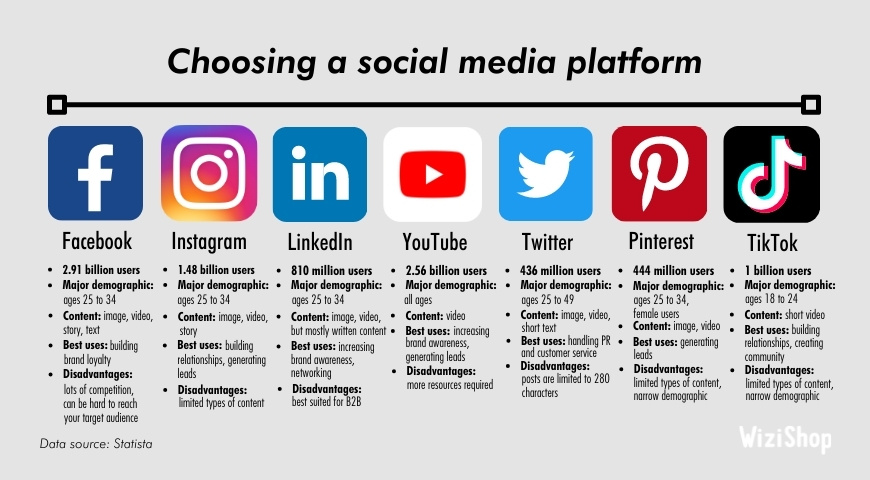
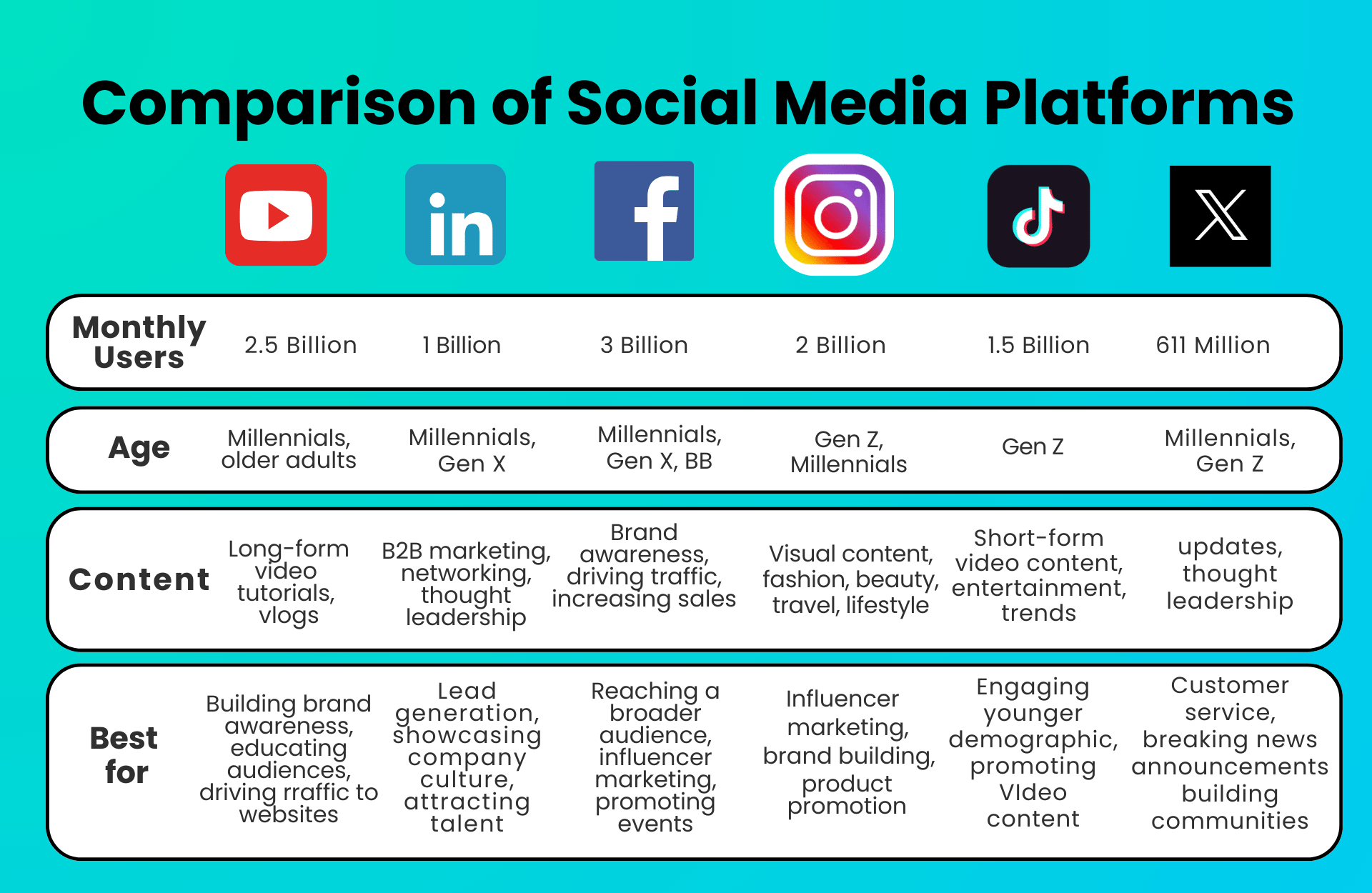
Starting on all seven sounds daunting, and it should be. The goal isn’t to master them all on day one. Instead, pick two or three that align with your immediate goals. Are you a visual brand? Focus on Instagram and Pinterest. Are you a B2B service? Double down on LinkedIn and YouTube. Are you chasing viral reach? Start with TikTok and X.
Social media fatigue is real, and it’s easy to forget that these platforms are tools, not masters. By focusing your energy on the right channels, you’ll find that quality beats quantity every time. It’s better to be excellent on one platform than mediocre on seven.
FAQs
- Which social media platform is best for small businesses?
It depends on your product. Service-based businesses thrive on LinkedIn and Facebook, while retail and visual brands often succeed on Instagram and Pinterest. - Is Twitter still worth it for personal branding?
Yes, particularly if you are in tech, news, or politics. It remains the fastest way to engage with contemporaries and industry leaders in real-time. - Do I need to be on TikTok if my audience is older?
Not necessarily. If your core demographic isn’t active there, your time is better spent on Facebook or YouTube. Don’t chase trends that don’t serve your actual audience. - How often should I post on each platform?
Consistency matters more than frequency. It’s better to post three high-quality times a week than to spam daily with low-effort content. Quality always wins.