70s Women’s Fashion: A Guide to Iconic Styles & Trends
Stepping into the world of 1970s fashion feels less like browsing a catalog and more like watching a fast-paced cultural documentary. It was a decade that refused to have a single style guide. Instead, it offered a chaotic, beautiful collision of vibes: the polished glamour of Hollywood, the rugged simplicity of country life, and the rebellious energy of punk and disco. For women, the 70s was a turning point where clothing became a powerful tool for self-expression, breaking away from the rigid structures of the previous decade.
If you love vintage aesthetics or are just curious about what defined this era, you are in the right place. Let’s dive into the key trends, iconic looks, and the cultural shifts that made 70s women’s style so legendary.
The Rise of Separates and Power Dressing
One of the most significant shifts in the 1970s was the move away from the "suit" mentality of the late 60s. Women didn’t necessarily need to buy a cardigan, skirt, and blouse that matched perfectly in a set. Rise of "separates" meant you could mix and match pants with tank tops, tunics with flared trousers, and blazers with jeans. This flexibility allowed for a more personalized look.
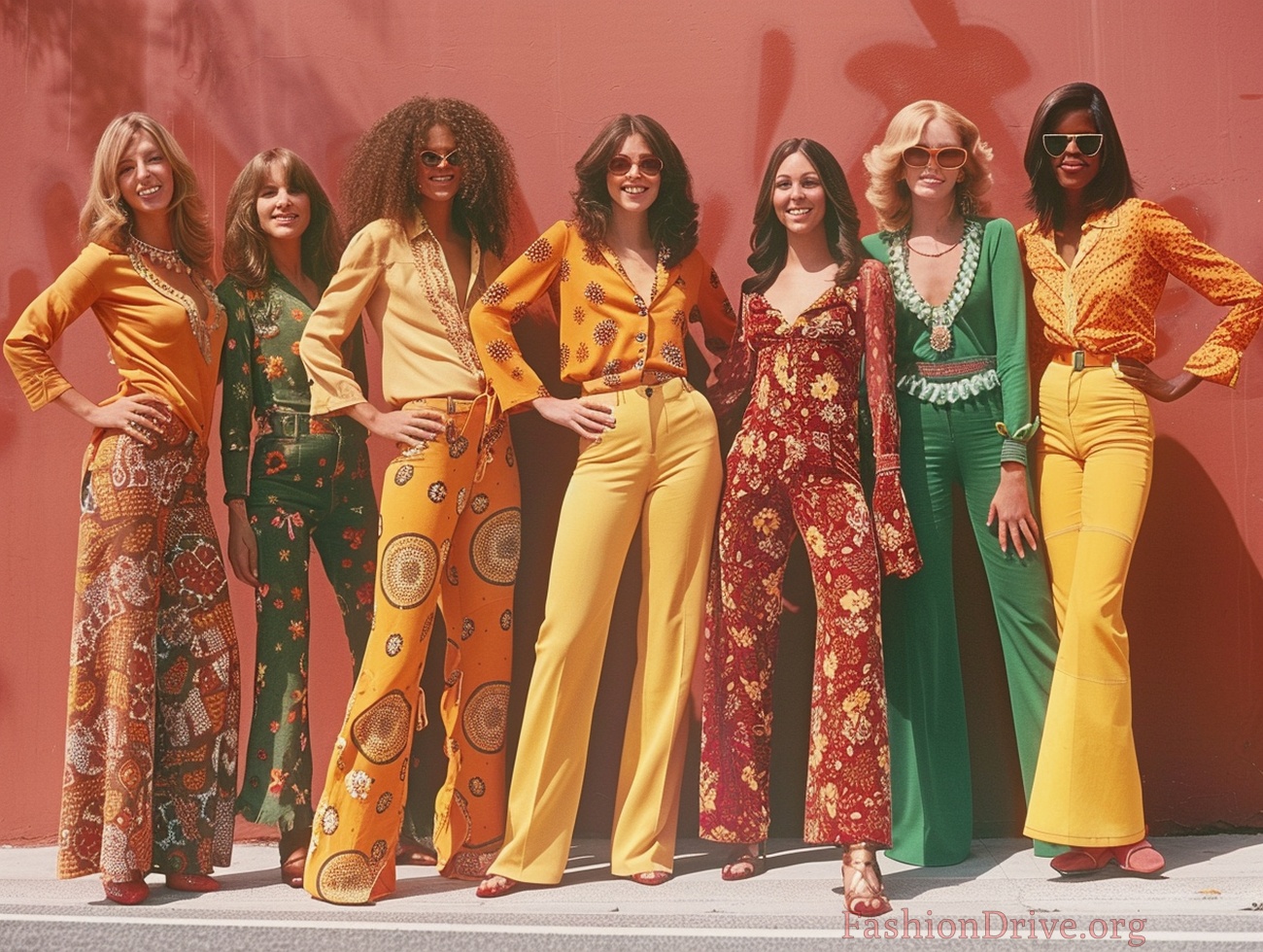
Simultaneously, the workplace was changing. As more women entered corporate roles, fashion caught up. We saw the birth of the female power suit, though it looked very different from today’s minimalist cuts. Think of wide-leg trousers paired with blazers featuring large, exaggerated shoulders. The goal was authority, but with a distinct 70s flair—often involving earth tones like browns, oranges, and mustard yellows.
Bohemian Chic: The Hippie Influence Lives On
You cannot talk about 70s fashion without mentioning the bohemian aesthetic. This style was heavily influenced by the counter-culture movement of the late 60s but evolved into something more wearable and commercially viable. It was all about comfort, natural fabrics, and a sense of wanderlust.
- Maxi Dresses: Flowy, floor-length dresses with floral prints or embroidered details were a staple. They were often worn barefoot or with simple sandals.
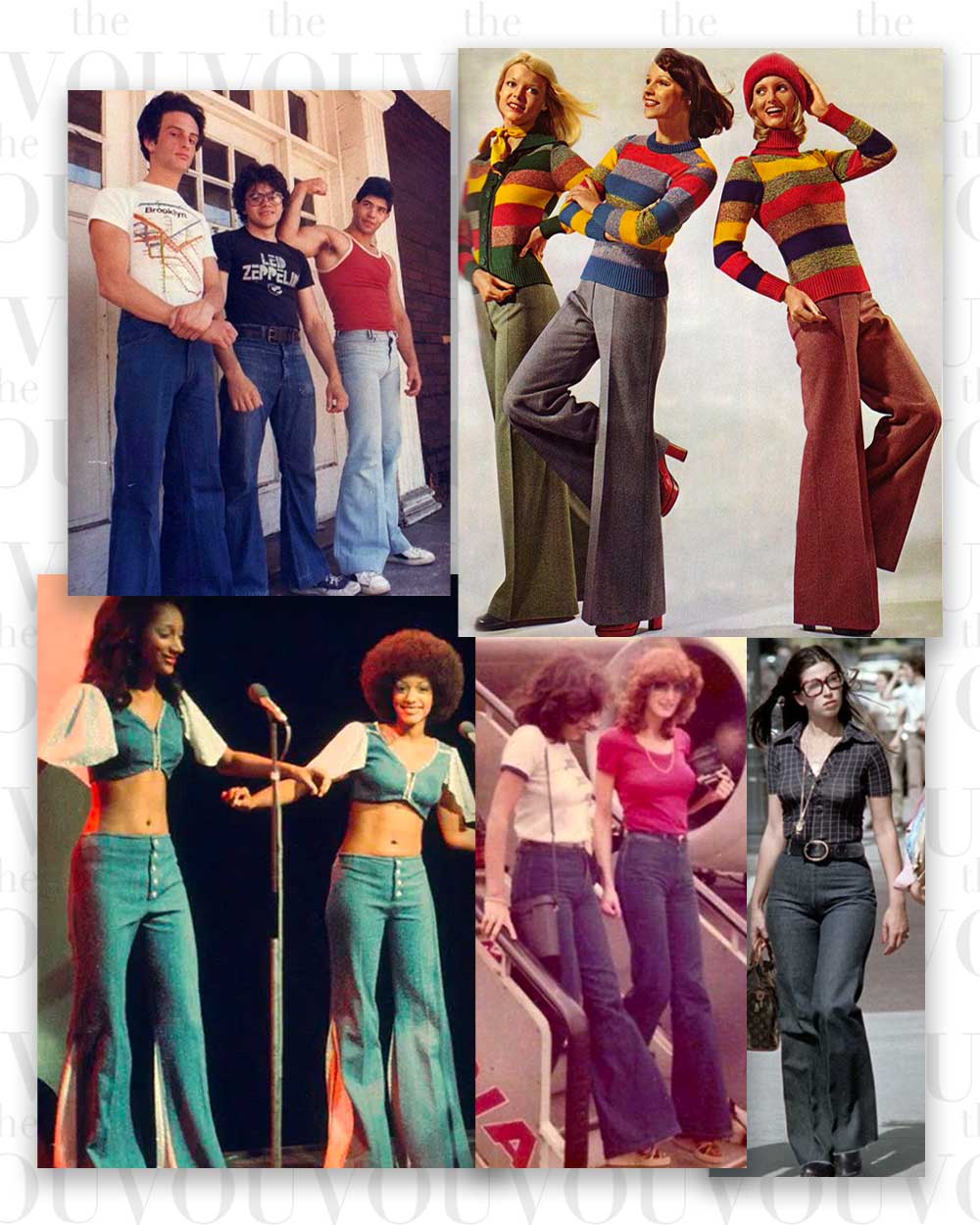
- Jeans and Denim: Denim became denim’s golden age. Bell-bottoms were the ultimate silhouette, but so were low-rise flares and even denim-on-denim "Canadian Tuxedos."
- Accessories: Think fringe, suede, leather belts, and lots of layered jewelry. Beaded necklaces and headbands were common headwear choices.
This look was worn by celebrities like Jane Birkin and Stevie Nicks, proving that you could look effortless and chic while embracing a more relaxed, "free spirit" vibe.
Disco Glamour: Sequins and Platform Shoes
If the hippie look was for the countryside, disco was for the city. As the decade progressed, the glitter of the discotheque began to influence mainstream fashion. This side of the 70s was loud, bright, and unapologetically flashy.
Women traded their earth tones for metallics. Silver, gold, and bronze dress fabrics became must-haves. Halter tops, wrap dresses, and jumpsuits made from shiny synthetic fabrics allowed dancers to shine under the strobe lights. And let’s not forget the footwear: platform shoes. These weren’t just high heels; they were architectural marvels of rubber and foam that added inches to your height. They were heavy, impractical for long walks, but absolutely iconic on the dance floor.
Key Silhouettes and Fabrics
Variety was the name of the game. The 70s silhouette was divided, making it difficult to pin down. However, there are a few key elements that define the era's shape:
Wide Legs: Whether it was flared trousers, bell-bottom jeans, or wide-leg culottes, the image of a woman with wide legs was unmistakably 70s. This balanced the look for many women and created a voluminous, dramatic effect.
High Necklines: While low cuts were part of disco wear, the chic look often featured high necklines. Think of turtlenecks under sleeveless blazers, or halter necks that crisscrossed the back. The contrast between a high neck and a long, flowing skirt was particularly popular in evening wear.
Sheer Fabrics: Chiffon, organdy, and faux lace were used extensively. Sheer overlays added a layer of texture and sophistication to both casual and formal outfits. A sheer sleeve on a blouse or a chiffon overlay on a dress added that elusive "ethereal" quality that designers loved.
The Impact on Modern Fashion
Looking back, the 70s feel incredibly relevant today. Modern trends like wide-leg trousers, bandanas, and earth tones are borrowed directly from this era. Brands frequently reinterpret 70s styles because they offer a perfect blend of nostalgia and modern comfort.
But the 70s were more than just reproductions. It was a time when women started to take control of their fashion choices, moving away from the restrictive femininity of the 50s and 60s. They voted with their wardrobes, choosing clothes that reflected their lifestyles, whether that was boardroom, field, or dance floor.
FAQs About 70s Fashion
Q: What was the most popular color in the 70s?
A: While there was a mix, Earth tones dominated the early and mid-week. Think dark greens, browns, and ochres. Later in the decade, brighter pops of orange, yellow, and pink became very popular, especially in disco wear.
Q: Why were bell-bottoms so popular?
A: Bell-bottoms were a major fashion trend because they were comfortable, easy to move in, and suited the casual vibe of the era. They were versatile—worn with t-shirts for a casual look or paired with a blouse and blazer for a more polished appearance.
Q: Did women wear suits in the 70s?
A: Yes, and this was a significant shift. Power suits for women, featuring wide-legged trousers and boxy blazers, became a symbol of female empowerment and professional presence in the workplace. It was a move towards gender-neutral dressing in corporate settings.
Q: What accessories defined the 70s look?
A: Big hair, bold makeup (especially blue eyeshadow and heavy eyeliner), and statement jewelry. Layered necklaces, hoop earrings, and large collars were common. Platforms, wedges, and flat sandals completed the look.
The 70s remain a masterclass in versatility. It was a decade that said you could be comfortable, bold, and elegant—all at the same time. Whether you are dressing up for a night out or just looking to add some vintage flair to your wardrobe, the lessons of the 70s are endless. Embrace the mix, play with textures, and don’t be afraid to add a little disco glitter to your everyday style.