ACCA Careers in India’s Big 4: Salaries, Growth & What to Expect
Landing a role with one of the Big Four accounting firms is a milestone many finance professionals aspire to, and an ACCA qualification often serves as the golden ticket. In India, where the demand for globally recognised accounting talent continues to rise, the Big Four — Deloitte, EY, KPMG and PwC — actively seek ACCA affiliates and members for audit, tax, advisory and consulting practices. But what does the reality look like once you step through those revolving doors? Let’s unpack the salary landscape, career trajectories and day‑to‑day experience for ACCA‑qualified individuals in these firms.
Why the Big Four Value ACCA
The ACCA syllabus covers International Financial Reporting Standards, strategic business reporting and ethics — areas that align closely with the global operating models of Deloitte, EY, KPMG and PwC. Recruiters appreciate that ACCA candidates arrive with a solid technical foundation and an understanding of cross‑border regulation, which reduces the ramp‑up time for client engagements. Moreover, the qualification’s emphasis on professional scepticism and ethical judgement fits neatly into the firms’ risk‑management frameworks.
Entry‑Level Compensation
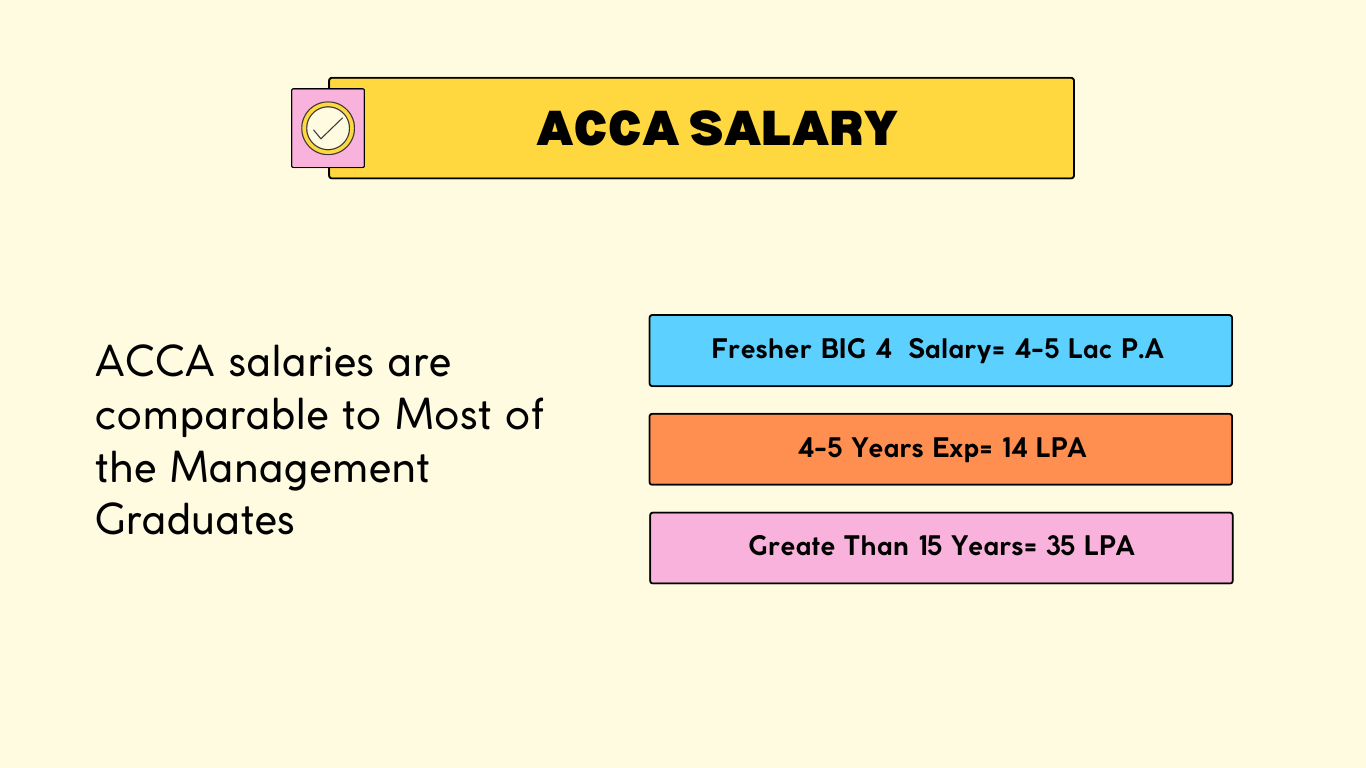
Fresh ACCA affiliates (those who have passed the exams but are still completing the required practical experience) typically start as Associates or Analysts. In India’s metropolitan hubs — Mumbai, Delhi‑NCR, Bengaluru and Hyderabad — the total annual package for this band ranges from ₹6.5 lakh to ₹9 lakh. This figure includes a basic salary, performance bonus and standard benefits such as provident fund, medical insurance and occasional travel allowances.
Candidates who already hold the ACCA member status (having fulfilled the experience requirement) often command a slightly higher band, hovering between ₹8 lakh and ₹11 lakh per annum. The variance largely depends on the firm’s brand premium, the specific service line (audit tends to be at the lower end, while advisory and consulting fetch a premium) and the city’s cost‑of‑living index.
Mid‑Career Progression
After two to three years of solid performance, ACCA professionals are usually promoted to Senior Associate or Assistant Manager. At this stage, the compensation package jumps noticeably — ₹12 lakh to ₹18 lakh per year is common. Bonuses become more performance‑driven, and many firms begin to offer variable pay linked to utilisation rates and client satisfaction scores.
Beyond the numbers, the role evolves from pure execution to supervising junior staff, managing smaller client portfolios and contributing to proposal writing. ACCA members often find themselves leading sections of statutory audits, handling complex tax computations or supporting due‑diligence work for M&A transactions — experiences that broaden their skill set far beyond the exam syllabus.
Senior Levels and Partnership Tracks
Reaching Manager or Senior Manager (typically five to eight years post‑qualification) sees total remuneration climb to ₹20 lakh–₹30 lakh annually, with a larger share coming from bonuses and, in some firms, profit‑sharing schemes. At this level, you’re expected to manage engagement teams, develop business relationships and contribute to thought‑leadership initiatives such as whitepapers or industry seminars.
Partner track remains the pinnacle, though it is highly competitive. ACCA professionals who make it to partner status can earn upwards of ₹50 lakh per annum, inclusive of equity‑based payouts. However, the journey demands not only technical excellence but also strong networking abilities, client‑acquisition prowess and a proven record of driving revenue growth.
Skill Sets That Make a Difference
While the ACCA qualification provides a robust technical base, the Big Four look for complementary capabilities:
- Analytical agility – the ability to interpret data quickly and spot anomalies in financial statements.
- Communication finesse – translating complex accounting concepts into clear insights for clients who may not have a finance background.
- Digital literacy – familiarity with ERP systems, data analytics tools (like ACL or Alteryx) and emerging technologies such as robotic process automation.
- Adaptability – willingness to shift between audit, tax and advisory assignments as firm needs evolve.
Candidates who showcase these traits during the interview process — often through case studies or situational questions — tend to secure offers faster and negotiate better starting packages.
Work Culture and Lifestyle Considerations
Life at a Big Four firm is famously demanding, especially during peak seasons like quarter‑ends or tax filing periods. Long hours, travel to client sites and tight deadlines are part of the package. Yet, many professionals cite the exposure to diverse industries, the chance to work with global teams and the structured learning environment as compensating factors.
Firms have increasingly introduced wellness initiatives — flexible working hours, mental‑health resources and sabbatical options — to mitigate burnout. ACCA members often appreciate the clear promotion criteria and the availability of global mobility programmes, which allow transfers to offices in the Middle East, Singapore or the UK after a few years of service.
Challenges to Keep in Mind
It’s not all smooth sailing. The up‑or‑out culture means that stagnation can lead to limited career progression if performance metrics aren’t met. Additionally, the emphasis on billable hours can sometimes feel at odds with the desire for deeper, strategic work. Finally, while the ACCA is respected worldwide, some Indian clients still prefer CA qualifications for certain statutory roles, which may affect the type of assignments you receive initially.
Being proactive — seeking feedback, pursuing additional certifications (like CFA or CISA) when aligned with your interests, and building internal networks — helps navigate these hurdles.
Tips for Breaking In
If you’re an ACCA finalist or fresh member eyeing a Big Four role, consider these practical steps:
- Tailor your CV – highlight exam scores, relevant internships and any experience with IFRS or GAAP.
- Leverage alumni networks – many firms host campus talks and webinars where ACCA graduates share insights.
- Prepare for case‑based interviews – practice structuring answers around risk identification, materiality and ethical dilemmas.
- Showcase tech fluency – mention familiarity with Excel modelling, data visualisation tools or any exposure to audit automation platforms.
- Be realistic about location – metro cities offer the highest pay but also the stiffest competition; Tier‑2 locations may provide a smoother entry with solid growth potential.
Looking Ahead
The Indian economy’s rapid digital transformation and the rise of multinational corporations are driving sustained demand for finance professionals who can navigate both local regulations and global standards. ACCA’s international outlook positions its members well for roles in emerging service lines such as sustainability reporting, forensic accounting and fintech advisory. While salaries will continue to reflect market dynamics, the long‑term career prospects — particularly for those who couple the qualification with strategic skill‑building — remain bright.
Ultimately, choosing a Big Four firm after earning your ACCA is less about a paycheck and more about the platform it offers: a chance to work on high‑impact projects, learn from world‑class practitioners and build a career that can transcend borders. If you thrive in environments that challenge you technically and professionally, the investment is often well worth the effort.