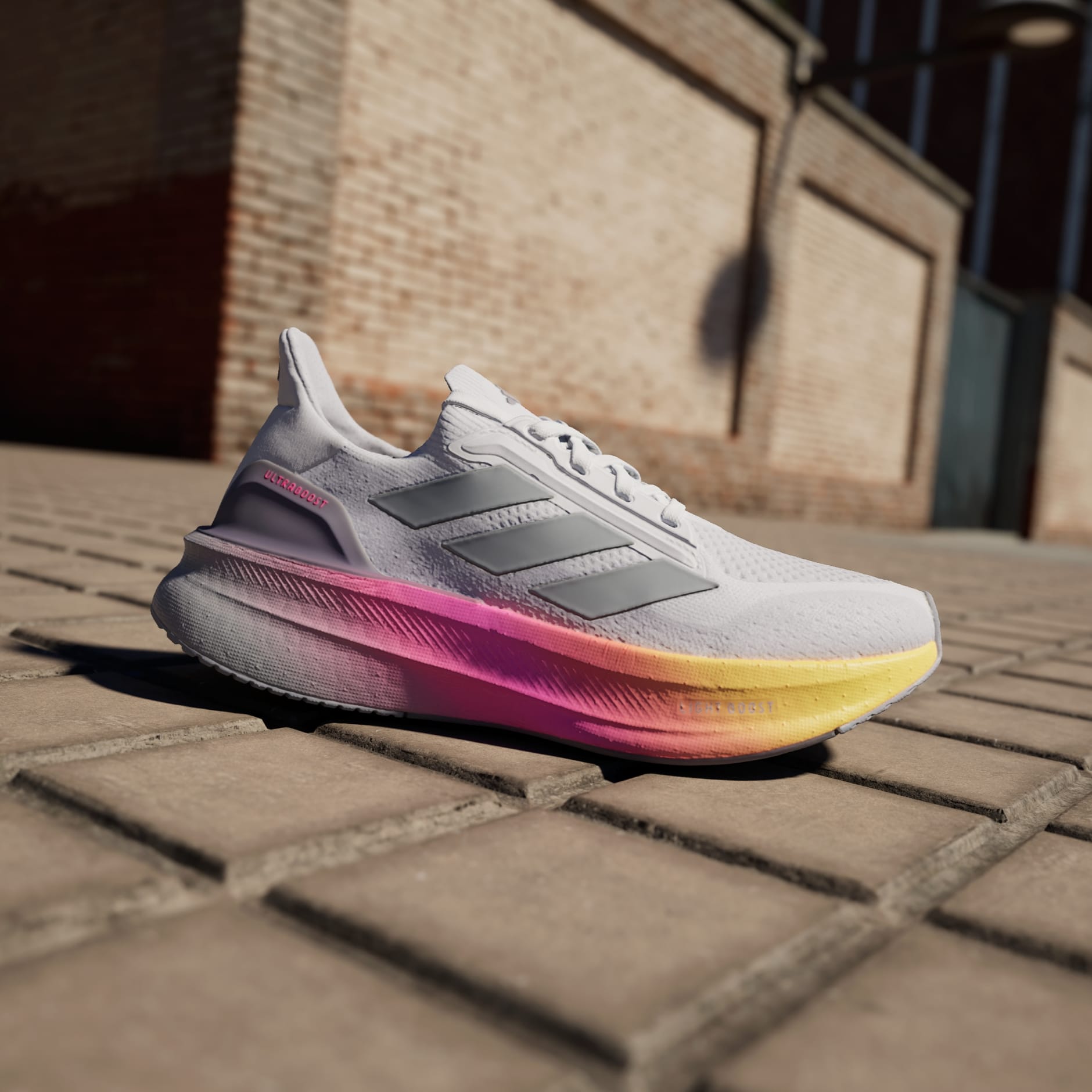
Adidas Ultraboost Light: Is It Truly A Runner's Dream?
There is a specific moment in every runner’s life when they look at their worn-out shoes and realize the ride isn’t what it used to be. The energy return feels muted. The bounce is gone. For years, the answer to this problem has been the Adidas Ultrabostr line. It became a cultural icon before it was even a top-tier racing shoe. But when the "Light" variant dropped, the marketing promised something elusive: the plush comfort of the original, but without the heavy penalty. So, the question isn't just whether it's comfortable. It is whether the weight savings are enough to justify calling it a runner's dream.
The hype around the Ultraboost Light was significant. Adidas didn’t just tweak the foam; they engineered a new method to infuse the Boost pellets with lighter compounds. The goal was to shave off roughly 25% of the weight compared to the standard Ultraboost 22 or 23 models. For a shoe that already felt substantial on foot, that is a considerable claim. But does it translate to better performance, or is it just a marketing win for casual joggers who want the look without the bulk?
Weight vs. Feel: The Physical Difference
Let’s talk about the numbers, but also the feeling. The original Ultraboost shoes were known for being heavy. They are dense, stable, and protective, but they weigh you down if you are trying to pick up the pace. The Ultraboost Light aims to bridge the gap between a daily trainer and a tempo shoe.
When you step into the Light, the first thing you notice is the upper. It still uses that signature Primeknit material, which molds to your foot like a sock. It is seamless, breathable, and incredibly comfortable for wide feet or people who hate break-in periods. However, the real magic is in the midsole. The Boost foam is still there—those little TPU beads that give the shoe its squishy, responsive character. But because the foam itself is lighter, the stack height feels slightly less imposing.
For many runners, the weight difference is palpable. It feels snappier. There is less drag on your foot as you pull it through the toe-off phase. However, it is crucial to manage expectations. It is still not a lightweight racing shoe. If you are coming from a Nike Pegasus or an ASICS Novablast, the Ultraboost Light will still feel like a brick in comparison. It is "light" relative to its heritage, not relative to the entire market of performance trainers.
Where It Excels: The Long Slow Distance
The Ultraboost Light shines brightest when you are not trying to win a prize. It is the ultimate long slow distance (LSD) shoe. The Boost foam provides a level of cushioning that protects your joints over miles of pavement. The Light version makes those miles feel less tedious because your legs don’t have to work quite as hard to lift the shoe.
- Stride Efficiency: The reduced weight means less fatigue in your calves and shins during runs longer than 10k.
- Stability: Despite the lighter foam, the wide base of the shoe keeps it stable. It is not a minimalist shoe. It offers plenty of security for overpronators who need support without the rigid posts of old-school stability shoes.
- Durability: The Continental rubber outsole is legendary for a reason. It grips wet surfaces like a tire on a sports car. This durability remains intact in the Light version.
It is also worth noting the visual appeal. Adidas has never slacked on aesthetics. The Ultraboost Light maintains the clean, tech-forward look that has made the franchise a streetwear staple. You can wear them to the gym, run in them, and then walk straight into a coffee shop without looking like you just finished a marathon.
The Compromises You Should Know
No shoe is perfect, and the Ultraboost Light has its detractors. The biggest issue persists from the original model: the transition. Because the shoe is so cushioned, the heel-to-toe drop feels a bit sluggish. It is not designed for quick turns or speedy intervals. If you try to sprint in these, you will feel disconnected from the ground. The plushness that protects your knees on a 15-mile run becomes a dead weight when you try to pick up the pace.
Additionally, the breathability, while good, can be an issue in extreme heat. The Primeknit is tight and form-fitting. If you have hot feet, or if you are running in the peak of summer, you might find your feet retaining more heat than you’d like. It is a trade-off for the lockdown fit that many runners love.
There is also the price point. Adidas positions the Ultraboost Light as a premium product. You are paying for the brand, the technology, and the design. For some budget-conscious runners, the performance jump from the standard Ultraboost to the Light version might not justify the extra cost, especially since both are already expensive. Is saving 20-30 grams worth the price difference? For elite chasers, maybe. For the casual 5k runner, it is a harder sell.
Verdict: Is It Worth The Hype?
So, back to the question. Is the Adidas Ultraboost Light a runner's dream? It depends entirely on what your dream looks like. If your dream is comfort, style, and a shoe that can handle high mileage without killing your joints, then yes. It is a phenomenal daily trainer that makes long days feel manageable. The weight reduction is real and noticeable, taking away some of the clumsiness of the original model.
However, if your dream involves speed, track workouts, or ultralight agility, look elsewhere. The Ultraboost Light is a cruiser, not a racer. It is designed for the journey, not the destination. It is a shoe for the runner who prioritizes consistency and comfort over split times. For that demographic, it might just be the perfect pair of kicks to take them through another season of miles.
Frequently Asked Questions
Is the Ultraboost Light good for wide feet?
Yes. The Primeknit upper is highly adaptive and stretches to accommodate wider foot shapes. It is generally considered one of the more comfortable options for runners who struggle with narrow synthetic uppers found in other brands.
How long do Ultraboost Light shoes last?
Like most Boost shoes, they are durable. The Continental rubber outsole resists wear exceptionally well. Most runners find they can get 400 to 500 miles out of them before the foam starts to lose its responsiveness, though this varies by body weight and running style.
Can I use Ultraboost Light for trail running?
It is not recommended. The smooth Continental rubber lacks the aggressive lugs needed for mud, gravel, or uneven terrain. It is strictly a road-running shoe.
Does it run true to size?
Generally, yes. Most users find that they fit true to size. If you are between sizes or have particularly high arches, it is often suggested to go half a size up for extra toe room, especially for long-distance runs where feet swell.