Are Japanese PS5 Games Region Locked? What You Need To Know
When you pick up a shiny new disc from a Japanese retailer, the first question that pops up is often, “Can I play this on my console?” The short answer is: most PS5 titles aren’t shackled by region locks, but the devil’s in the details.
Understanding Sony’s Region Policy
Unlike the Xbox One era, where region‑free claims were a marketing blur, Sony has been fairly clear about its stance on the PS5. The hardware itself is universally compatible, meaning the console will read any disc regardless of where it originated. However, two main factors can still throw a wrench in the works:
- Digital versus physical copies – The PlayStation Store is split into regional storefronts, each tied to your account’s country setting.
- Licensing and DLC – Some games lock additional content to the region of the base game.
So, a Japanese disc will boot up, but the experience might differ once you start hunting for updates or extra content.
Physical Discs: Mostly Free to Play
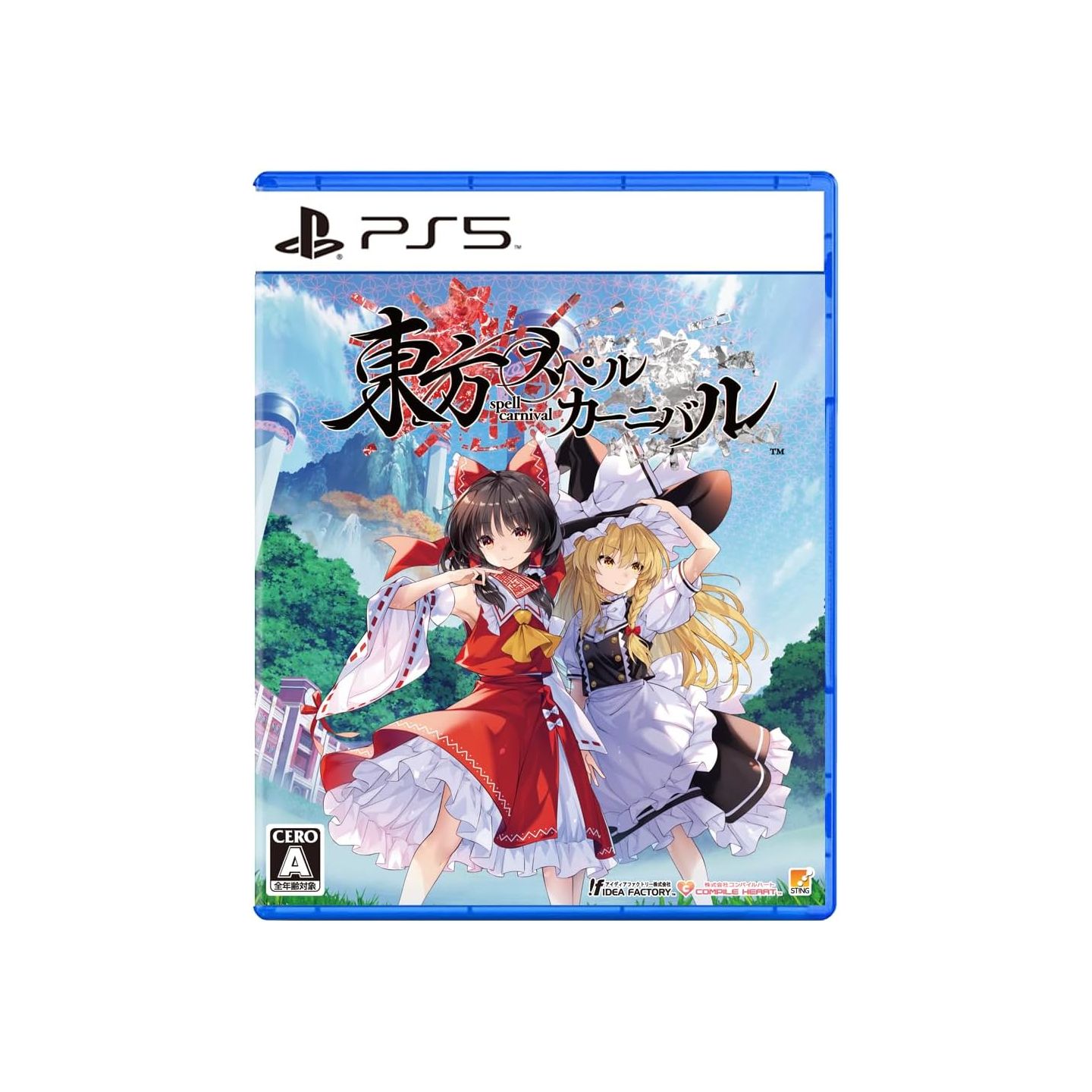
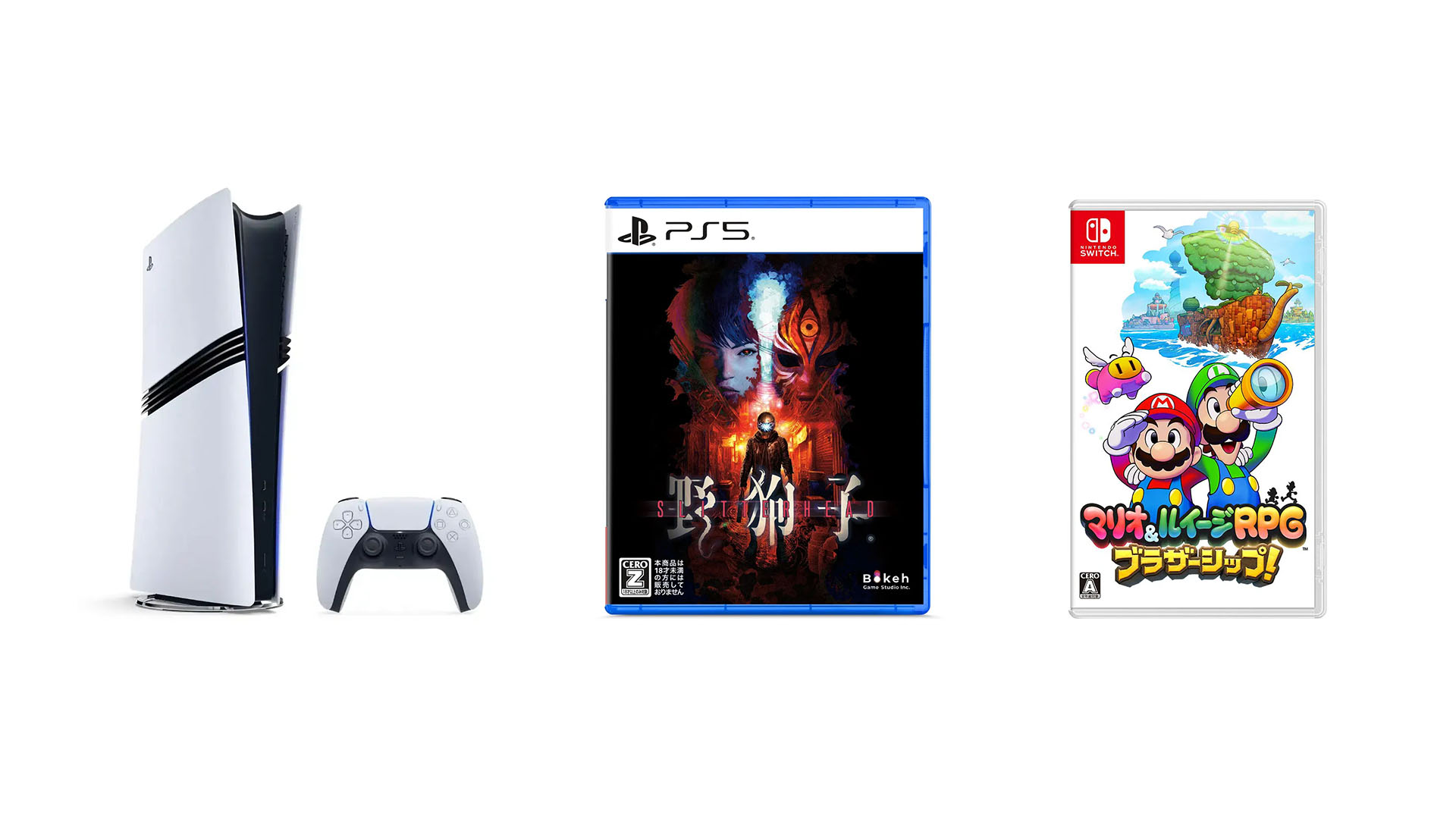
If you’re a collector who enjoys the tactile feel of a Blu‑ray case, you’ll be relieved to learn that the PS5’s optical drive doesn’t enforce regional boundaries. A Japanese copy of Final Fantasy XVI will launch on a US‑based PS5 without a hitch.
There are a few caveats, though:
- Some games embed language options directly into the disc. If Japanese is the sole language, you might be stuck with subtitles you can’t read.
- Check the “PlayStation Store” tab from the dashboard. Certain titles default to the region of the disc for in‑game purchases, which could block you from buying a DLC priced in yen.
In practice, most gamers never notice a problem. The system treats the disc as a regular game and lets you dive right in.
Digital Purchases: The Real Region Lock
Here’s where things get a little messier. Your PSN account is anchored to a specific country, and that determines which storefront you see. If you try to redeem a Japanese digital code on a US account, the system will reject it outright.
There are work‑arounds, but they require a bit of planning:
- Create a secondary PSN account set to Japan. Switch users when you want to download the Japanese version.
- Use a prepaid Japanese PlayStation Network card to fund that account.
- Remember that downloadable content must match the region of the base game. A US‑region DLC won’t activate on a Japanese‑region title.
These steps are manageable, yet they add friction that many casual players would rather avoid.
Why Does Region Matter for DLC?
DLC (downloadable content) is essentially a separate purchase that “locks” itself to the region of the originating game. Think of it as a key that only fits a lock from the same country.
For example, a Japanese expansion pack for Resident Evil Village will refuse to install on a US‑region copy, even if you have the base game. The system checks the regional ID embedded in the game’s metadata before allowing the add‑on.
This design stems from licensing agreements and localized pricing structures. Publishers negotiate rights per territory, and Sony enforces those boundaries through the digital ecosystem.
Language Options: A Hidden Limitation
Japanese releases often prioritize Japanese text and voice acting, sometimes at the expense of other languages. While many modern titles include English subtitles or even dubbed audio, older or niche games may not.
If you’re not fluent in Japanese, you might find yourself scrolling through menus you can’t understand. Before buying, a quick glance at the game’s store page—look for the “Languages” section—can save you from an accidental language lock.
Practical Tips for Gamers Who Want Japanese Games
Here’s a concise cheat sheet to keep your gaming smooth:
- Check language support on the PlayStation Store before purchasing.
- Use a Japanese PSN account for digital titles; keep your primary account for everyday use.
- Buy physical copies if you want the simplest plug‑and‑play experience.
- Consider region‑specific DLC—you’ll need matching versions to avoid incompatibility.
- Watch out for online services like multiplayer servers, which might have regional matchmaking restrictions.
Online Multiplayer and Region
Even if the game itself runs, online features can feel “locked.” Some titles route players to servers based on their PSN region, meaning a Japanese copy might default to Japanese matchmaking. You can usually override this in the game’s network settings, but not every title offers that flexibility.
In most cases, the difference is subtle—players end up with a slightly different pool of opponents. For competitive gamers, it can impact latency and ranking.
What About Future Updates?
Firmware updates are delivered globally, so you won’t miss a patch because of your region. However, content patches that introduce new regions or language options may roll out at different times. A US player might see an English patch months before a Japanese version becomes available, simply due to the staggered release schedule.
Keeping your console connected to the internet ensures you receive the latest fixes, regardless of where the game originated.
Bottom Line
Japanese PS5 games are largely free from hard region locks on the disc, but the digital side of things—storefronts, DLC, language support, and online services—still respects regional boundaries. If you’re comfortable navigating a secondary PSN account and checking language details, the Japanese catalog opens up a treasure trove of exclusive titles and early releases. For most players, buying a physical copy is the easiest path, while digital enthusiasts should be ready to juggle accounts and regional codes.