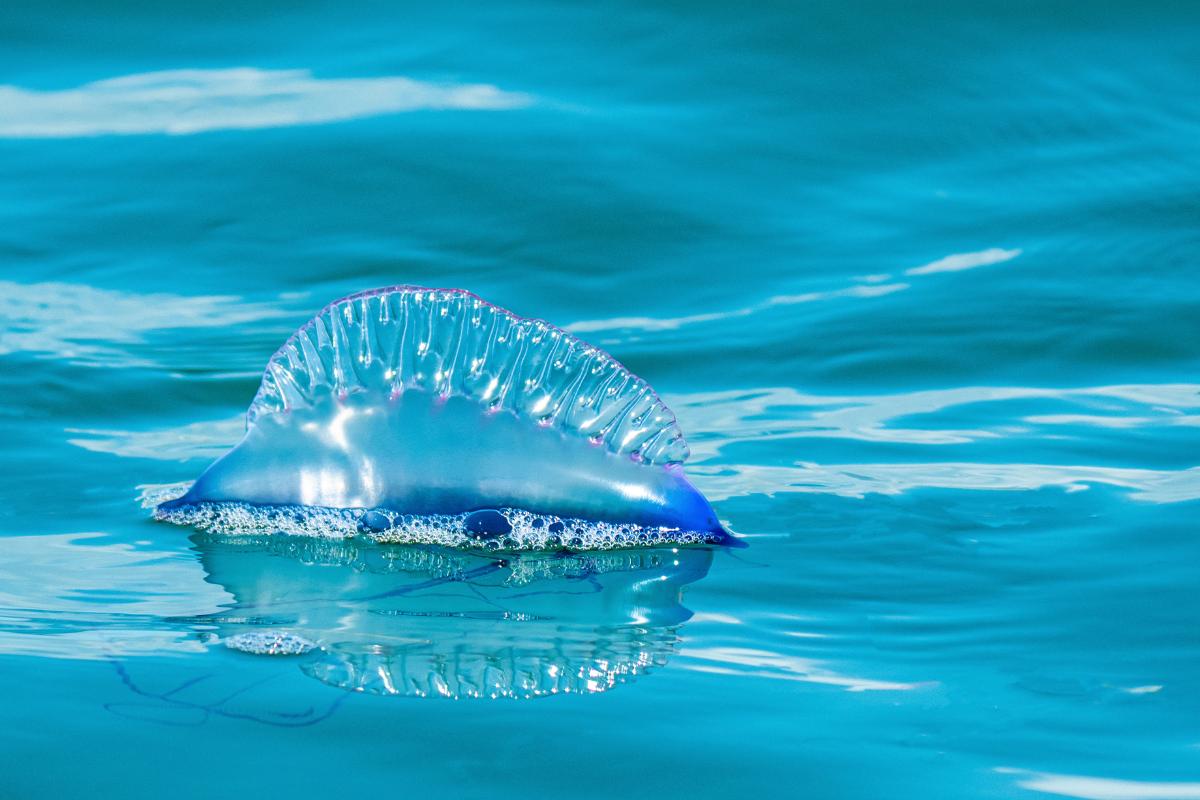
Are Jellyfish Dangerous? What You Need to Know at the Beach
Strolling along the shoreline, you may spot those translucent, drifting creatures that look almost ethereal. Most beachgoers assume they’re harmless, yet a sting can turn a sunny day into a painful memory. Understanding when jellyfish pose a real risk—and how to react if you’re unlucky enough to get stung—helps keep the ocean enjoyable for everyone.
Why Some Jellyfish Can Be Hazardous
Jellyfish aren’t fish at all; they’re gelatinous, umbrella‑shaped animals belonging to the phylum Cnidaria. Their most infamous weapon is the nematocyst, a tiny capsule that fires a barbed toxin the instant it contacts skin.
Only a fraction of the roughly 2,000 known species carry stings strong enough to cause more than mild irritation. The real danger depends on three factors:
- Species: Box jellyfish and some Portuguese man‑of‑war varieties possess venom that can affect the heart or nervous system.
- Size: Larger umbrellas often contain more nematocysts, delivering a bigger dose of toxin.
- Location: Warm tropical waters host the most potent species, but even temperate coasts can see dangerous blooms.
Common Encounters on Popular Beaches
Most swimmers encounter harmless jellyfish like the moon jelly (Aurelia aurita) or the harmless sea nettle. Their stings feel like a mild pinch—if you notice them at all. However, during seasonal blooms, the odds of meeting a more aggressive type increase.
Recent reports from the Gulf of Mexico, the Pacific coast of Australia, and the Caribbean highlight periodic spikes in box jellyfish sightings. These surges often coincide with warm currents and plankton blooms, causing jellyfish to congregate near shore.
Recognizing a Jellyfish Sting
Symptoms vary widely. A mild sting may produce:
- Red, raised welts that fade within an hour
- Itching or tingling around the contact point
More severe reactions can include:
- Intense, spreading pain that lasts for days
- Swelling, blisters, or dark spots
- Systemic signs such as nausea, cramping, or difficulty breathing (rare but serious)
If you notice a sudden, sharp pain after a brief brush with a jellyfish, treat it as a potential serious sting until proven otherwise.
First‑Aid Basics
Quick action can reduce pain and prevent complications. Here’s a concise step‑by‑step guide:
- Rinse with vinegar: The acetic acid deactivates undischarged nematocysts. Use a cup or spray bottle; don’t use fresh water, which can trigger more stings.
- Remove tentacles: Carefully pluck any visible pieces with tweezers or the edge of a credit card. Avoid ripping them off with your fingers.
- Immerse in hot water: Soak the affected area (45‑50 °C / 113‑122 °F) for 20‑30 minutes. Heat denatures the toxin and eases pain.
- Seek medical help if symptoms intensify, you feel faint, or the sting occurred from a known high‑risk species.
Never rub the area with a towel, alcohol, or urine; these actions can cause additional nematocysts to fire.
Preventive Tips for Beach Lovers
While it’s impossible to eliminate every risk, a few simple habits go a long way:
- Check local advisories—many coastal parks post jellyfish warnings during peak months.
- Wear protective footwear or a rash guard if you know the water hosts dangerous species.
- Avoid touching or stepping on jellyfish, even those washed up on shore; their tentacles can still sting.
- Stay alert during early morning or evening hours when some species are more active near the surface.
When to Be Extra Cautious
Children, the elderly, and people with existing heart conditions should heed additional warnings. Their bodies may react more severely to venom, and the pain can exacerbate underlying health issues.
If you’re traveling to regions famed for box jellyfish—such as the waters around northern Australia, the Philippines, or parts of the Indian Ocean—consider hiring a local guide who knows safe swimming spots.
Myths and Misconceptions
There’s a common belief that a splash of seawater neutralizes the sting. In reality, seawater can worsen the reaction by releasing more toxins. Another myth suggests that rubbing sunscreen on the sting helps; it merely spreads the venom.
Even “harmless” jellyfish can surprise you. Some species, like the Chrysaora quinquecirrha (sea nettle), have stings that feel more intense than expected, especially for sensitive skin.
What to Do If You’re Stung While Alone
Stay calm. Panic accelerates heart rate, which can increase venom circulation. Find a shaded spot, rinse with vinegar if you have a bottle, and apply hot water if possible. Call a lifeguard or emergency services if you notice any systemic symptoms.
Many beaches provide first‑aid stations equipped with vinegar containers and hot‑water immersion tubs. Knowing their location before you swim can save precious minutes.
Bottom Line
Jellyfish range from the almost invisible to the dangerously lethal. Most encounters result in mild irritation, but a handful of species can produce severe reactions. By staying informed—recognizing high‑risk species, following proper first‑aid steps, and respecting local warnings—you can enjoy the sea with confidence.