Are Majorettes Common in Marching Bands? Here’s What You Need to Know
When you picture a marching band, the image that usually pops up is brass players, percussionists, and a tight, synchronized formation. Yet, another figure often graces the field: the majorette. These performers, wielding batons or rifles, add a splash of color and flair. The question many ask is whether marching bands actually have majorettes, and the answer varies depending on the band’s level, region, and tradition.
What Exactly Is a Majorette?
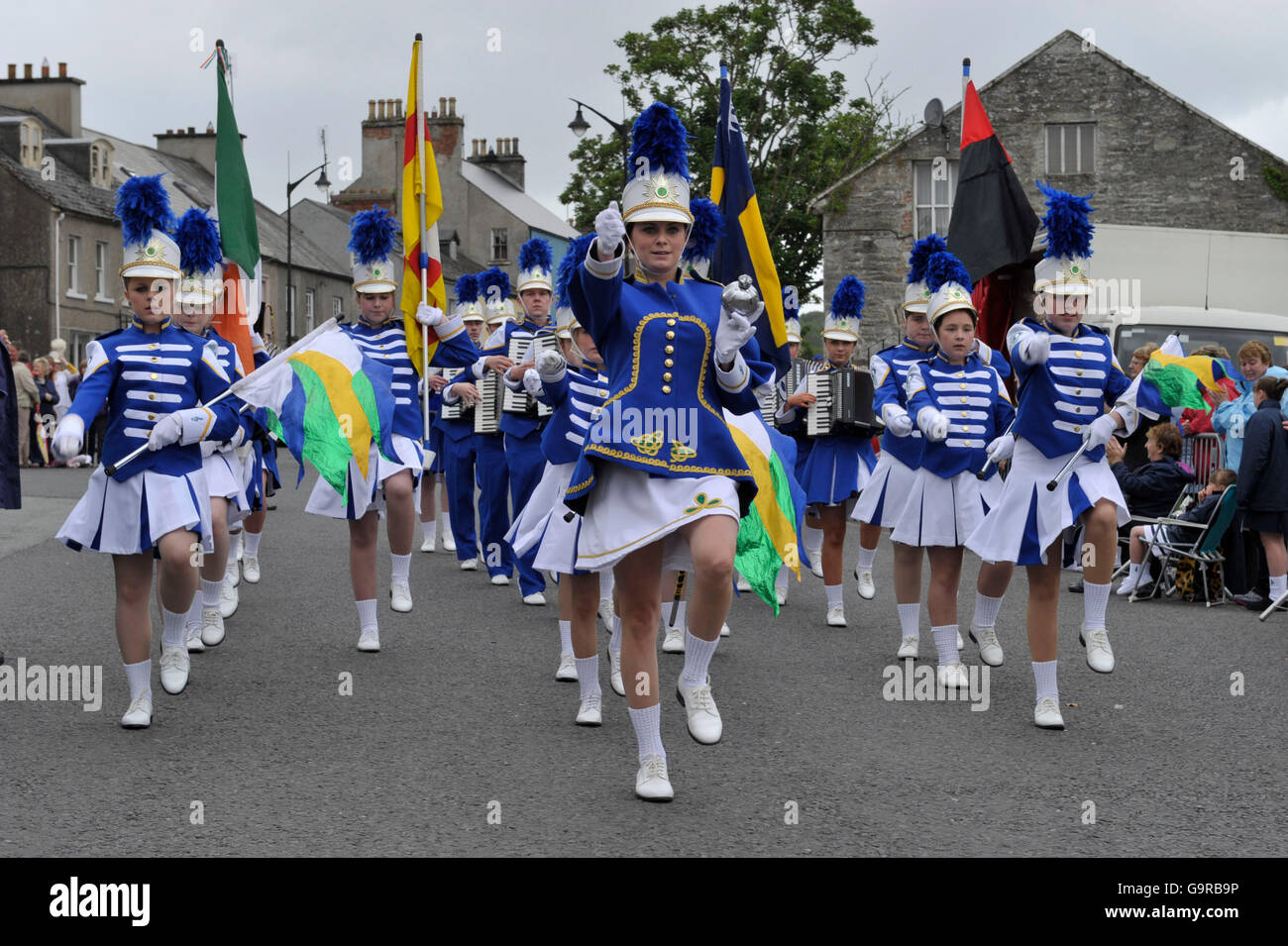
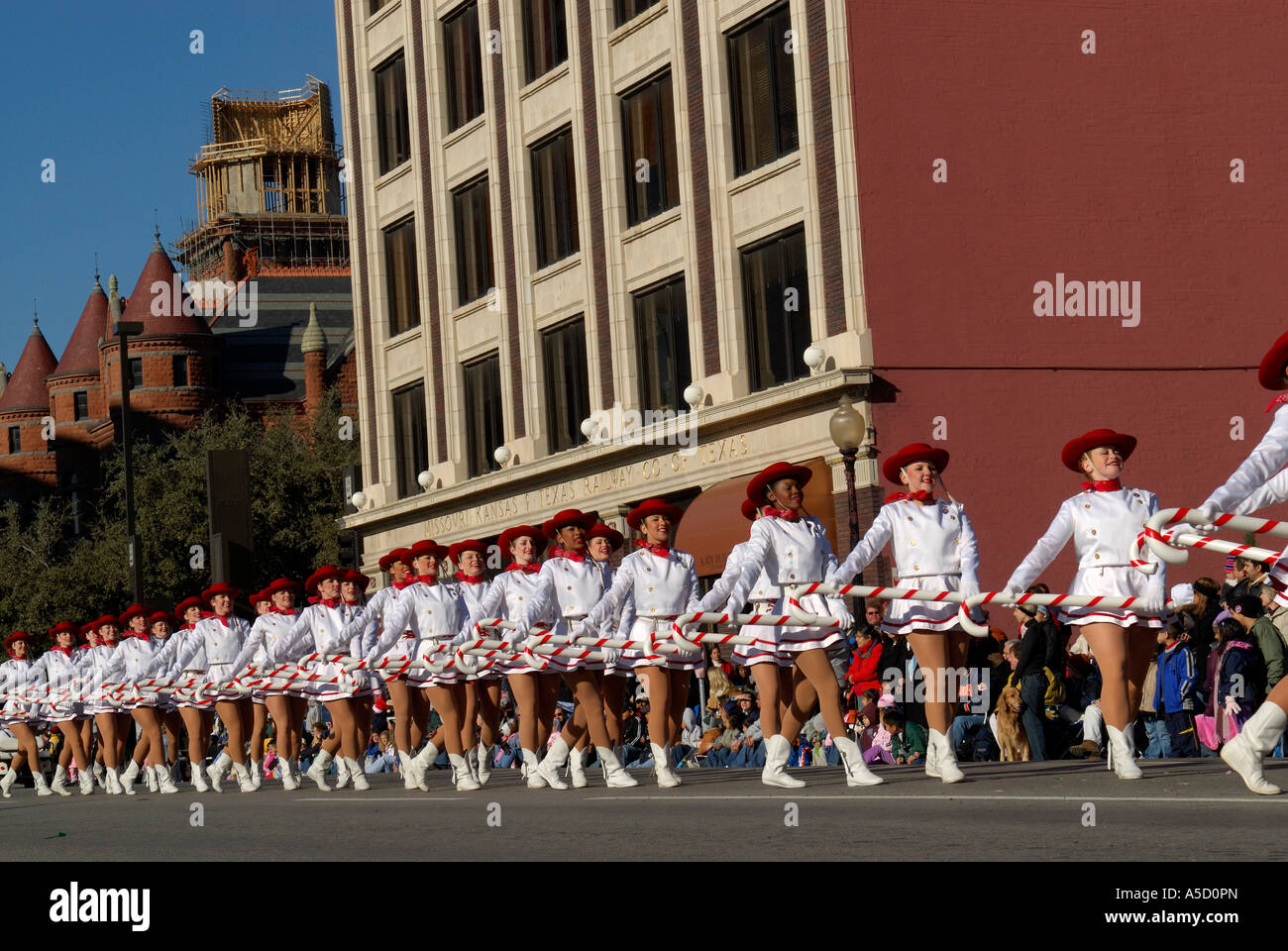
A majorette is a marching performer who specializes in baton twirling, sometimes accompanied by a rifle or stick. The role blends dance, choreography, and precise timing, turning a simple baton into a visual centerpiece. Historically, majorettes first appeared in the early 20th century as part of the “marching and dancing” craze that swept the United States. Over the decades, the profession evolved into a highly skilled art form with its own techniques and styles.
High‑School and Collegiate Bands: The Most Visible Presence
At the high‑school level, majorettes are almost a staple. Many schools have dedicated majorette squads that rehearse separately from the main band. Their routines are often featured during halftime shows, pep rallies, and marching contests. Coaches typically treat them as a strategic asset: a well‑executed majorette routine can elevate a band’s overall score and audience engagement.
Collegiate bands are a bit more selective. Some universities, especially those with robust marching traditions, maintain a full majorette corps. Others, especially larger institutions with a focus on complex musical arrangements, may not include them. In the United Kingdom, the concept of a “majorette” is less common; instead, performers may simply be called baton twirlers and are often incorporated into larger dance ensembles.
Professional and Competitive Bands: Where the Variation Lies
Professional marching groups—such as those that perform at the Super Bowl, state fairs, or military parades—frequently employ majorettes. In these settings, the visual spectacle is essential; a majorette’s routine can be the highlight of an otherwise musically dense program.
Competitive marching bands, like those participating in the Bands of America (BOA) circuit, sometimes integrate majorettes but not as a mandatory component. Judges may award points for visual effect, and a dynamic baton routine can tip the scales in a close competition. However, some bands prefer to keep the focus on precision marching and musical complexity, opting for a leaner lineup without separate baton twirlers.
Regional Differences: North America vs. Europe vs. Asia
In North America, majorettes are a long‑standing tradition, especially in the United States. The “majorette” term itself is deeply embedded in American marching culture.
In Europe, the term “baton twirler” is more common, and the performers are often part of a dance corps that accompanies the band rather than a distinct unit. Some European marching bands do feature solo baton routines, but they are usually part of a larger choreography rather than a separate majorette squad.
Asian marching traditions vary widely. In Japan, for instance, the emphasis is often on synchronized movements rather than baton twirling, though some military parades do feature stick performers. In Brazil, the “samba schools” that parade during Carnaval often have dancers wielding batons or sticks as part of a larger, vibrant display.
How to Find Out If Your Local Band Has Majorettes
- Check the program guide for upcoming events. Many schools and organizations publish a lineup that includes “majorettes” or “baton twirlers.”
- Contact the band director. A quick email or phone call can confirm whether there’s a dedicated majorette squad.
- Attend a rehearsal or performance. Observing the lineup in person is the most straightforward way to spot majorettes.
- Explore the band’s social media. Photos and videos often highlight baton routines, especially during halftime shows.
Do Majorettes Need Special Training?
Yes. Baton twirling requires a blend of strength, coordination, and artistry. Most majorette squads begin training in middle school, focusing on basic spins, catches, and synchronized movement. As they progress, routines become more complex, incorporating multiple baton patterns, fast-paced choreography, and sometimes even aerial maneuvers. Physical conditioning is essential, as the repetitive motions can be taxing on the wrists and shoulders.
Can You Join a Majorette Corps If You’re Not In a School Band?
Absolutely. Many community and high‑school band programs welcome adult volunteers. In some cities, local clubs or dance schools offer baton twirling classes that culminate in performances at parades or festivals. If you’re passionate about the art form, start by learning the basics—spin techniques, hand grips, and simple patterns—before auditioning for a squad.
What Gear Do Majorettes Use?
Typically, a majorette uses a baton (a lightweight wooden rod) or a rifle (often a foam or plastic mock‑rifle for safety). Protective gear, such as wrist guards, may also be worn to prevent injury during high-speed spins. Some performers add costumes—sequined jackets, feathered caps, or matching shoes—to enhance the visual effect.
Frequently Asked Questions
- Is a majorette the same as a baton twirler? A majorette is a type of baton twirler, but the term is traditionally used in American marching culture. Baton twirlers can be found in various marching contexts worldwide.
- Do marching bands need to have majorettes to be successful? No. Many successful marching bands focus solely on musical precision and synchronized movement, without separate baton performers.
- How do judges score majorette performances in competitions? Judges look at technical skill—such as spin speed, accuracy, and coordination—as well as choreography and overall visual impact.
- Can a marching band integrate a solo baton routine without a full majorette squad? Yes. Some bands feature a solo baton twirler as part of a broader routine, allowing flexibility in group size and budget.