Asbestos Roof Meaning, Dangers & Safe Handling
If you own a property that was built before the 1980s, you have likely heard whispers about your roof. It’s not just about age or wear and tear. It’s about what that roof is made of. Specifically, the old corrugated cement sheets that sometimes look like gray stone. This brings us straight to the heart of the matter: understanding the asbestos roof meaning and why it matters. It’s not just a material name. It’s a health hazard waiting to be disturbed.
What Actually Is an Asbestos Roof?
Let’s clear up the confusion first. Not every old roof contains asbestos. But if your home was built between the 1940s and the 1980s, and the roof looks like wavy cement sheets, there is a high probability it is fibro cement. Back then, asbestos was mixed with cement to create a material that was tough, fire-resistant, and incredibly cheap. Builders loved it. Families didn’t know better.
The key thing to understand is the state of the material. When asbestos is bound tightly in cement and the roof is intact, it is generally considered "low risk." The fibers are locked in. The danger arises when that material degrades or is tampered with. It turns from a passive building component into a source of airborne particulate matter. That distinction is everything when deciding how to handle it.
The Real Dangers: It’s About the Dust
Asbestos isn’t dangerous because you look at it. It’s dangerous because you breathe it. When these roofs age, they become brittle. They crack under the weight of snow, high winds, or simple thermal expansion. Once cracked, tiny fibers release into the air. These fibers are microscopic. You cannot see them. You cannot smell them. But if you inhale them, they lodge deep in your lungs.
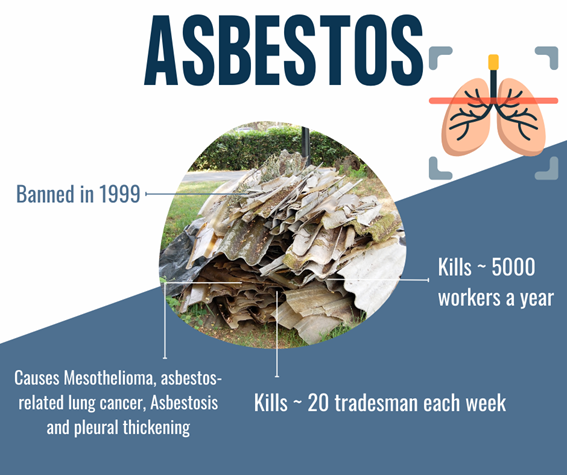
The health consequences are severe and long-term. We aren’t talking about a cold that lasts a week. We are talking about diseases like asbestosis, lung cancer, and mesothelioma. These conditions often take decades to develop after exposure. That latency period is what makes it so tricky. You might work on a roof today and feel fine, only to face serious health issues thirty years later.
It’s also worth noting that the risk isn’t just for construction workers. Homeowners who DIY their own repairs are often the most vulnerable. They lack the proper protective gear and the understanding of how easily fibers can spread through a home’s ventilation system.
Signs Your Roof Needs Attention
You don’t need an X-ray to know if your roof is failing, but you do need a keen eye. Here are the red flags that suggest your asbestos roof is no longer safe:
- Visible Cracks: Even hairline cracks can allow moisture in and fibers out. If you see a network of fractures, the structural integrity is gone.
- Missing Sheets: Holes in the roof mean the material is breaking apart. This is an immediate hazard.
- Chalking Surface: If the surface feels powdery or chalky when you gently touch it (do this with gloves!), the cement is degrading. The fibers are loose.
- Damage from Weather: After a storm, check for dents or broken edges. Impact damage can shatter the cement bond.
If any of these apply, stop what you’re doing. The "wait and see" approach is not viable here. Early intervention prevents the spread of contamination.
Safe Handling: The Rules You Can’t Break
If you confirm the presence of asbestos, your next move is critical. Missteps here can turn a manageable repair job into a multi-thousand-dollar remediation nightmare. Here is how professionals approach safe handling.
1. Do Not Paint or Seal
Some old advice suggests painting the roof to seal the fibers. This is outdated and risky. Paint can crack, and it doesn’t guarantee the fibers are contained. In many jurisdictions, DIY sealing is discouraged because it delays proper disposal. Always check local regulations first. Often, removal by a licensed professional is the only legal and safe path.
2. Never Use Power Tools
If you must perform minor maintenance before removal (which should only be done by experts), never use a grinder, saw, or hammer drill. These tools create friction and heat, shattering the cement and blowing asbestos dust into the air. Hand tools are the only exception, and even then, only by trained individuals.
3. Wet It Down
If there is a risk of disturbance, keeping the roof wet is the first line of defense. Moisture keeps the fibers heavy and contained. However, this is a temporary measure, not a solution. Water alone won’t remove the hazard.
4. Hire Licensed Professionals
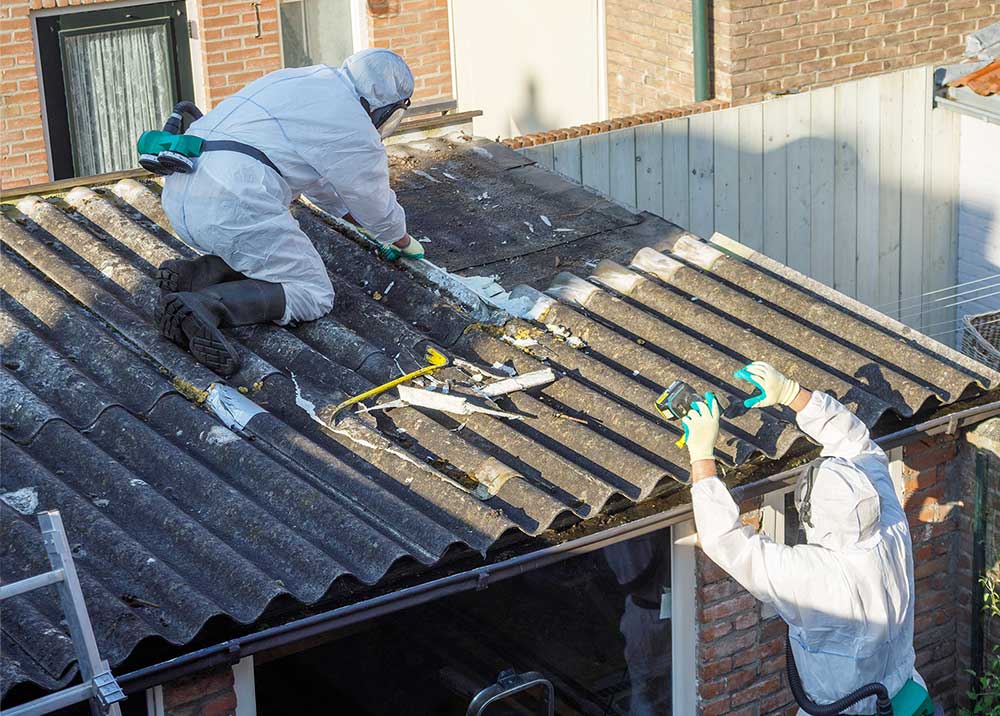
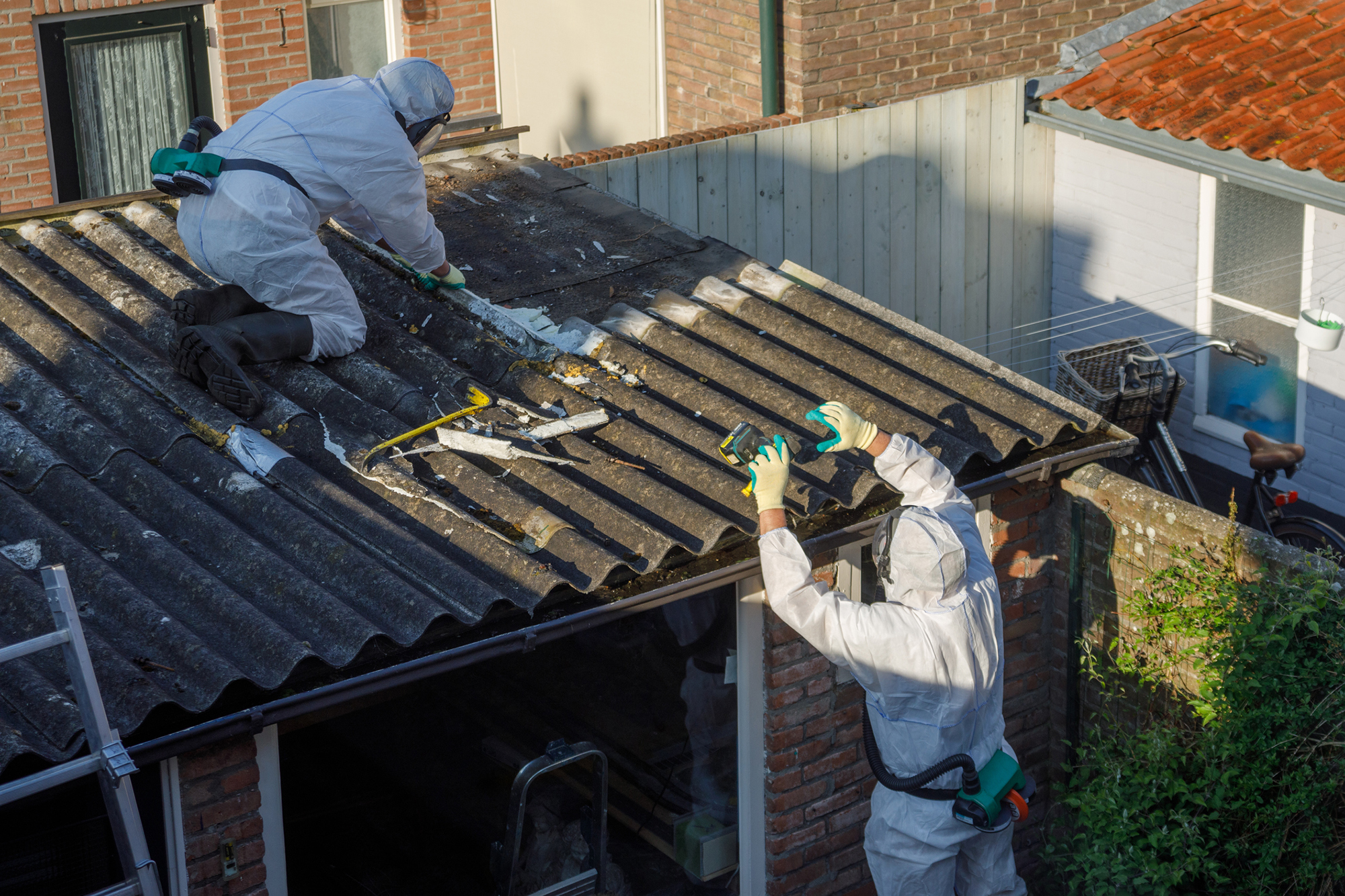
This is the most important rule. Asbestos abatement is regulated for a reason. Licensed contractors have the right equipment: negative pressure enclosures, HEPA vacuums, and full-body respirators. They know how to wrap and dispose of the material in designated hazardous waste facilities. Trying to save money by doing it yourself can cost you your health, plus potential fines for improper disposal.
The Cost of Inaction vs. Action
Weighing the cost of removal against the risk of disease is a heavy calculation. While asbestos roof removal is expensive, it is not just about property value. It is about peace of mind. Knowing your family isn’t breathing invisible toxins is priceless. Moreover, leaving it untreated can lower your home’s resale value significantly, as buyers will demand remediation or a major discount.
In many cases, insurance companies will not cover health issues related to asbestos exposure if you knew it was present and failed to act. That’s a financial cliff no homeowner wants to fall off.
Final Thoughts on Safety
Dealing with an asbestos roof is unpleasant, but it’s manageable if you respect the material. Knowledge is your best defense. Don’t guess. Test. Don’t DIY. Delegate. The days of asbestos as a "wonder material" are long gone, but the roofs remain. Treat them with the caution they deserve, and your home will remain a safe haven for the future.
Frequently Asked Questions
Q: Can I tell if my roof has asbestos just by looking at it?
Not definitively. While age and appearance (fibro cement sheets) are strong indicators, the only sure way to know is through laboratory testing. Do not chip off a sample yourself, as this releases fibers. Hire a certified assessor to take a sample safely.
Q: Is asbestos roof removal covered by home insurance?
Typically, no. Most standard home insurance policies exclude coverage for asbestos removal unless it is required as part of a repair covered under the policy (e.g., if a storm damages the roof and asbestos must be removed to fix it). Always check your specific policy details.
Q: How long does asbestos roof removal take?
For an average residential house, the process can take anywhere from a few days to a week. This includes setting up safety barriers, the actual removal, cleaning, and disposal. Weather conditions and the size of the roof can affect this timeline.
Q: Can I live in my house during asbestos roof removal?
It is generally recommended to vacate the property during the removal process. Even with professional containment, there is a risk of cross-contamination. It is the safest option for your family’s health. Discuss this with your abatement contractor for their specific protocol.