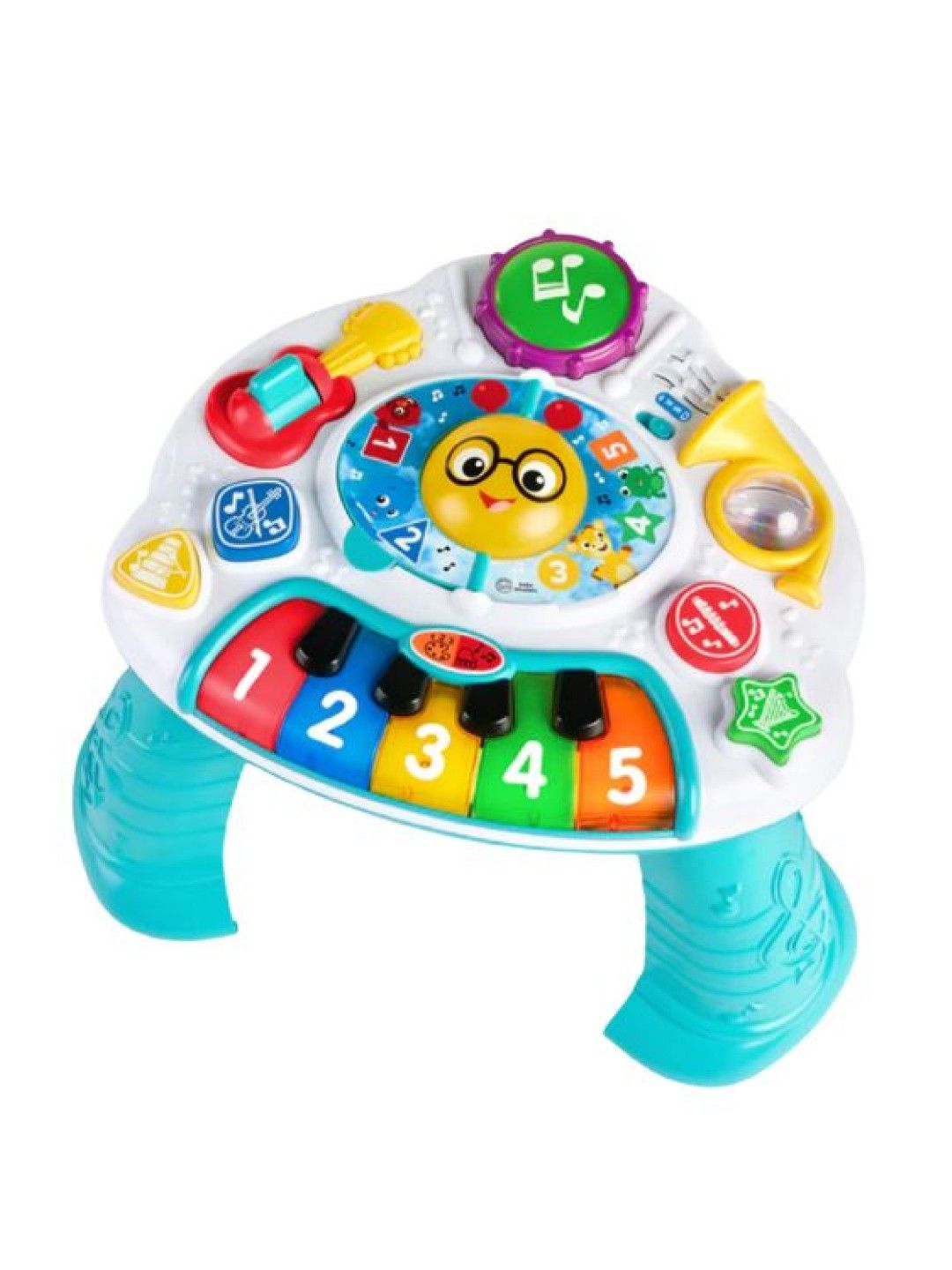
Baby Girl Discovering The Music Of Strauss
There is a peculiar magic in hearing a two-year-old stop mid-crawl, lift her chin, and stare at a piano as a waltz swells in the background. It’s not just that she’s listening; it’s that she’s feeling it. For any parent who has stumbled into the world of classical music for children, few experiences are as delightful—and occasionally confusing—as watching a baby girl discover the music of Johann Strauss.
Strauss, the "Waltz King," is often associated with grand ballrooms, formal tailcoats, and rigorous timekeeping. But for a toddler, his music strips away the social constraints. It becomes pure rhythm, motion, and joy. When a young child encounters Strauss, they aren’t learning about Viennese aristocracy; they are discovering that sound can make their bodies want to move.
The Earliest Encounters: Why Strauss Resonates With Toddlers
Infants and toddlers are drawn to patterns. Their brains are hardwired to seek predictability within novelty. Strauss’s compositions, particularly his waltzes, offer a perfect storm of musical structure that appeals to this developmental stage. The 3/4 time signature—a strong-downbeat followed by two lighter beats—creates a lilting, rocking motion that mimics the comfort of being held. The Blue Danube doesn’t just play; it sways.
When a baby girl hears this, she often responds physically. You might see her bobbing her head, patting her knees, or simply freezing in place, eyes wide with recognition. This isn’t passive hearing; it’s active processing. Studies in infant psychology suggest that regular, rhythmic music helps stabilize heart rates and reduces stress. For a child, Strauss provides a auditory anchor in a chaotic world.
From Listening to Dancing: The Physical Connection
Classical music education for early years isn’t about teaching theory; it’s about embodiment. Strauss is arguably the most danceable composer in the classical canon for young children. Unlike Chopin, which requires introspection, or Beethoven, which demands intensity, Strauss invites participation.
Imagine this scene: The track "Tales from the Vienna Woods" begins. The baby, initially lying on a playmat, turns to look at the parent. As the violins kick in with that unmistakable, bubbling energy, she pushes herself up. She doesn’t dance in a way an adult would recognize—there’s no structured step—but her hips sway, her arms flail with delight, and she laughs. This spontaneous movement is crucial. It links auditory input to motor output, reinforcing neural pathways that help with coordination and balance.
Parents often report that Strauss seems to "unlock" a sense of playfulness. The music is bright, major-key, and devoid of the melancholy that permeates other classical works. It feels like sunshine in audio form, making it an ideal soundtrack for morning playtimes or energetic dance parties in the living room.
Building a Musical Foundation Without Pressure
One of the biggest fears parents have regarding classical music is that it’s too complex or elitist. When a baby girl discovers Strauss, it demystifies the genre. It shows that classical music isn’t something you sit stiffly and endure; it’s something you can roll around on the floor to.
Key benefits of early exposure to Strauss include:
- Rhythm Recognition: The consistent waltz beat helps children internalize timing, which is foundational for later skills like reading (recognizing syllable patterns) and mathematics (understanding fractions and groups).
- Emotional Regulation: The soothing, circular nature of a waltz can calm an overtired child, offering a gentle transition from high-energy play to quiet time.
- Vocabulary Expansion: Even if she doesn’t speak the words, associating happy, flowing sounds with positive experiences builds an emotional vocabulary linked to music.
It’s important not to force interaction. If she isn’t dancing, that’s fine. The exposure itself is the benefit. The goal is to create positive associations with sound. When she associates Strauss with cuddles, laughter, and safe exploration, she builds a lifelong appreciation for the arts without a single lesson.
How to Integrate Strauss Into Daily Life
You don’t need a recital hall. You need moments. Here are a few natural ways to weave Strauss into your routine:
Morning Wake-Up: Start the day with Blue Danube. Let the music fill the room as you stretch and play. It sets a gentle, graceful tone for the morning rather than jarring her with loud alarms or chaotic noise.
Bath Time Waltzes: Water and music go hand-in-hand. The fluid motion of splashing complements the flowing lines of Strauss’s melodies. It turns a chore into a sensory experience.
Quiet Play Music: While she builds blocks or draws, keep Strauss playing at a low volume. It’s complex enough to stimulate the brain but repetitive enough not to distract from focused tasks.
Is It Too Formal?
A common concern is that classical music is "too serious." Strauss, however, was the pop star of the 19th century. His music was written for entertainment, for parties, for people letting loose. There is nothing stiff about a Strauss waltz. If a baby girl can make it into a game of swaying and laughing, it has lost none of its soul—it has only gained a new context.
Watching her discover this music is less about creating a prodigy and more about sharing a moment of connection. It’s about the look in her eyes when the melody starts, the way she moves her hands to the air, and the simple, undeniable joy of rhythm. In those moments, the grand ballrooms of Vienna disappear, and all that remains is a child, a song, and the pure, unadulterated pleasure of moving to the beat.
Frequently Asked Questions
At what age can babies appreciate classical music like Strauss?
Infants can respond to rhythm and melody from birth. However, noticeable physical reactions like dancing or swaying typically emerge between 6 months and 2 years as motor skills develop. There is no "right" time to start, as passive listening benefits neural development even in newborns.
Does listening to Strauss make babies smarter?
The "Mozart Effect" is often overstated, but music exposure does support cognitive development. Regular exposure to complex patterns in music like Strauss can enhance auditory processing, pattern recognition, and emotional regulation. It fosters a love for learning, which indirectly supports academic growth.
Should I choose specific Strauss pieces for my child?
Stick to his lighter, more upbeat waltzes and polkas. The Blue Danube, Tales from the Vienna Woods, and Emperor Waltz are excellent choices. Avoid his operettas or heavier orchestral works, which may be too cacophonous or emotionally intense for a young child.
How long should I play music for a toddler?
Keep sessions short, around 15-20 minutes, to avoid overstimulation. It’s better to have frequent, brief exposures throughout the day than one long, forced concert. Follow your child’s cues—if they seem fussy or distracted, lower the volume or switch to silence.