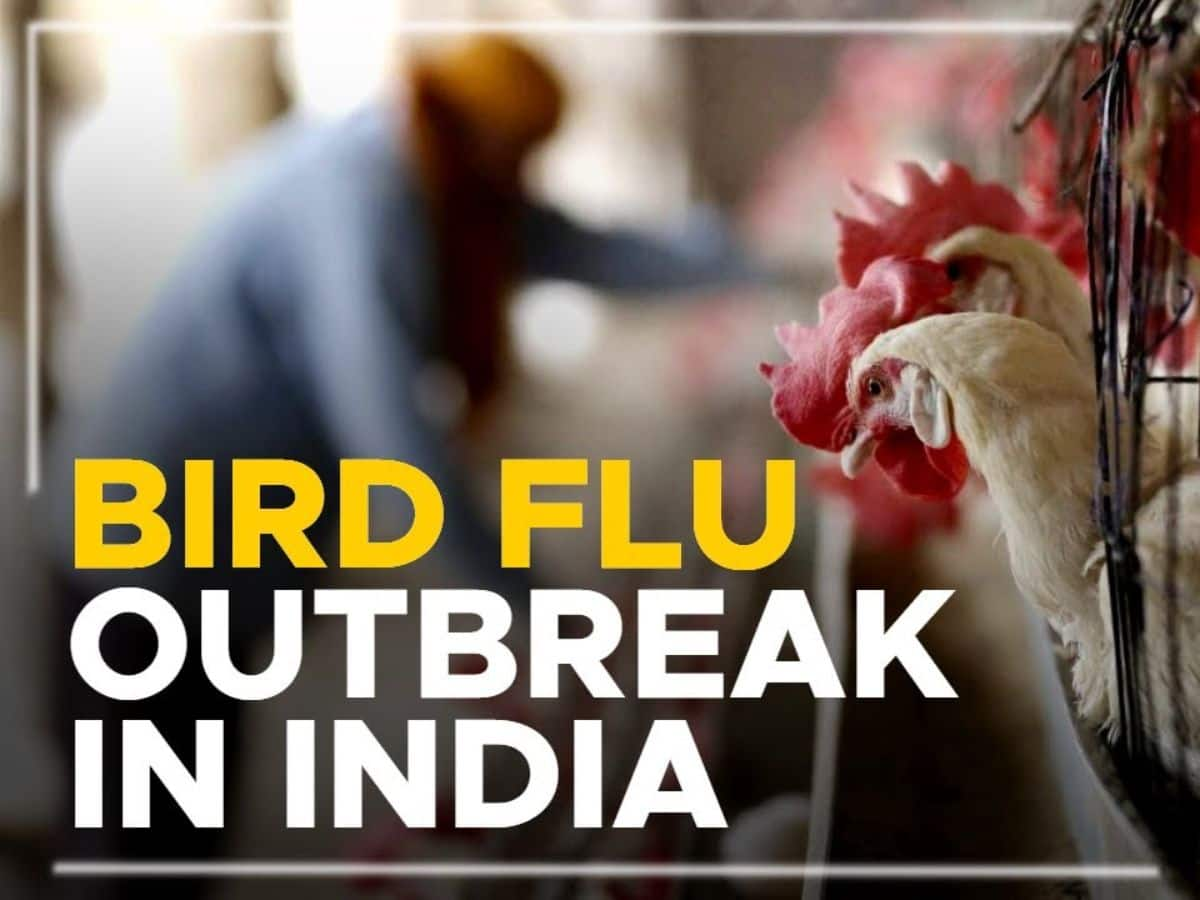
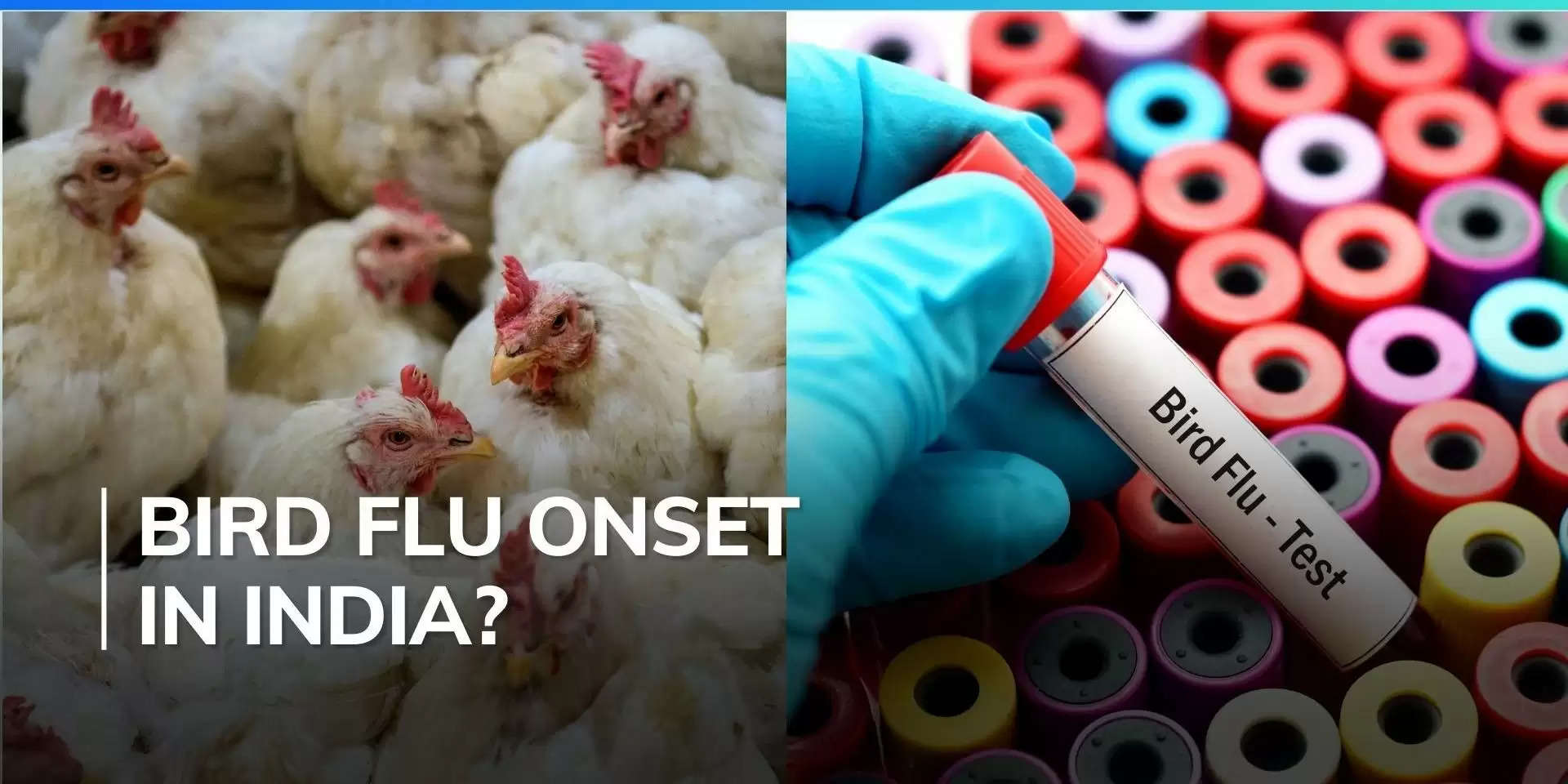
Bangalore Bird Flu Status: Critical Updates For Pet Owners
If you have walked past a poultry farm on the outskirts of Bangalore recently, you might have noticed barricades and warning signs. The news regarding Avian Influenza, commonly known as bird flu, has been circulating with increasing urgency across the city. For many residents, especially those who feed street birds or keep pet parrots, this brings a wave of anxiety. It is not just about the health of the birds, but the potential implication for human health and household pets.
The situation requires a clear understanding of what is actually happening versus what is merely speculation. While the threat is real, panic is not the solution. Knowing the facts helps you protect yourself, your family, and your feathered friends effectively. Here is what you need to know about the current bird flu updates in Bangalore.
Is Bird Flu Really Present In Bangalore?
Yes, the threat is active, though it is often regional rather than city-wide. Avian Influenza (H5N1) has been detected in several parts of Karnataka in recent years, including areas bordering Bengaluru. When outbreaks occur in nearby districts, the city braces itself because migratory birds often stop in urban wetlands, parks, and residential complexes.
The Department of Animal Husbandry and Dairy in Karnataka frequently issues alerts. They monitor wild bird populations, particularly around reservoirs like Ulsoor, Hebbal, and Sankey Tank. If a cluster of dead birds is found, rapid testing is conducted. If the virus is confirmed, a strict containment protocol begins. This involves culling poultry in infected zones to stop the spread. Therefore, when you hear "Bangalore bird flu updates," it usually refers to these specific containment zones rather than a city-wide lockdown.
Can Humans Or Pets Catch It?
This is the question that keeps most people up at night. The short answer is: the risk to humans is low, but it is not zero. The H5N1 strain is primarily a bird-to-bird virus. However, it is zoonotic, meaning it can occasionally jump to mammals, including humans.
For the average Bangalorean walking in a park, the risk is minimal. You catch it through direct contact with infected bird feces, saliva, or feathers, not through the air over long distances. Washing your hands after touching any wild bird or its droppings is the single most effective prevention method.
For pet owners, the stakes are slightly higher. Cats and ferrets have shown susceptibility to bird flu in various global reports. If a cat hunts and eats an infected wild bird, it can contract the virus. Symptoms in cats include respiratory distress, lethargy, and even neurological issues. Dogs appear to be less susceptible, but caution is still advised. Keep your indoor pets indoors, especially during reported outbreaks.
Risk Level For Different Groups
- General Public: Very Low Risk. Avoid touching dead birds; wash hands regularly.
- Poultry Farmers: High Risk. Strict biosecurity and vaccination protocols are mandatory.
- Exotic Pet Owners: Moderate Risk. Parrots and pigeons can be carriers. Monitor for symptoms like sneezing or fluffed-up feathers.
- Cat Owners: Moderate Risk. Prevent cats from hunting wild birds.
What Should You Do Right Now?
Prevention is about breaking the chain of transmission. You do not need to live in a bubble, but you should adopt a few practical habits. First, do not attempt to handle dead birds found on balconies or in gardens. Use a plastic bag to pick them up if necessary, wear gloves, and dispose of them properly. Even better, contact local municipal authorities or the wildlife wing for pickup.
If you feed birds at home, ensure the feeding station is clean. Spoiled grain attracts pests and can harbor pathogens. Regularly disinfect bird feeders and baths. For those with backyard chickens or backyard farms, isolate new birds for two weeks before introducing them to the flock. This quarantine period is standard practice in poultry management and can save your entire herd from an outbreak.
Watch for symptoms in your pets. If your pet bird stops eating, drinks excessively, or produces greenish discharge, consult an avian veterinarian immediately. Do not wait. Early intervention saves lives. For cats, if they have been hunting and show signs of illness, inform your vet about the potential exposure.
Misinformation Is The Real Enemy
WhatsApp universities are currently buzzing with forwarded messages claiming that "bird flu is airborne in Bangalore" or "only one antibiotic is needed." These are dangerous myths. Bird flu is not airborne in the human sense like the common cold. It spreads through direct contact. Furthermore, antibiotics do not kill viruses. Antivirals might be prescribed by doctors in severe infected cases, but self-medication is harmful.
Another common myth is that vaccination eliminates the need for hygiene. Vaccines are a tool, not a shield. They reduce severity but do not stop transmission entirely. Biosecurity—keeping your environment clean—is still paramount. Always rely on official sources like the National Centre for Disease Control (NCDC) or the State Animal Husbandry Department for updates. Ignore forwarded video clips that lack context.
Tracking The Spread
The Karnataka government maintains a dashboard for livestock health. You can find updates on specific taluks (sub-districts) where outbreaks have occurred. If you live in a reported zone, follow the local health officer's instructions diligently. This usually means avoiding poultry markets and limiting movement in agricultural areas.
For the rest of the city, the advice is simple vigilance. Keep an eye on your surroundings. If you see a sudden cluster of dead crows or parakeets in your neighborhood, report it to the Bruhat Bengaluru Mahanagara Palike (BBMP) contact center. Early reporting allows for rapid testing and containment, protecting the wider community.
Quick Checklist For Residents
- Wash hands thoroughly after touching any bird.
- Keep cats indoors to prevent hunting wild birds.
- Clean bird feeders and baths weekly with a mild disinfectant.
- Isolate sick pets immediately and consult a vet.
- Report dead birds to local authorities; do not handle them bare-handed.
Staying Calm And Informed
The fear of a pandemic is natural, but history shows that most bird flu outbreaks are contained before they spiral out of control. The key is awareness without hysteria. By understanding the transmission routes, you can take logical steps to protect your home. You do not need to abandon your love for birds, but you do need to respect their health boundaries.
Stay updated through official channels. Avoid sensationalized headlines. If you have poultry, follow the vaccination schedules set by the state agriculture department. If you are a pet owner, be observant of your animal's behavior. In Bangalore, as in any major metropolis, the combination of urban density and wildlife presence requires a balanced approach. Stay vigilant, stay clean, and stay informed.
FAQs About Bird Flu In Bangalore
Is it safe to eat chicken during a bird flu outbreak?
Yes, it is generally safe to eat chicken if it is properly cooked. The H5N1 virus is killed at high temperatures. Ensure poultry products are sourced from reputable suppliers who follow biosecurity standards. Avoid raw or undercooked chicken dishes.
Should I stop visiting bird watching spots in Bangalore?
It is advisable to maintain a safe distance. You can still enjoy bird watching from a distance, but avoid entering restricted zones marked by authorities. Do not attempt to get close to wild birds, especially if you see signs of sickness or death in the flock.
What are the early signs of bird flu in humans?
If infected, human symptoms typically appear within 1-5 days. They include high fever, cough, sore throat, muscle aches, and sometimes conjunctivitis (pink eye). If you have had direct contact with sick birds and develop these symptoms, seek medical attention immediately.
Can my indoor parrot get bird flu?
Indoor birds are at lower risk but not immune. Wild birds landing on your balcony or window can leave contaminated droppings. Keep windows screened during outbreaks and ensure your pet bird’s cage is kept away from areas where wild birds might land.