Best US News Channels For Election Coverage
Navigating the deluge of political news during an election cycle can feel overwhelming. With constant notifications, 24-hour debates, and social media skirmishes, it is easy to lose sight of the actual policy details or vote counts. Choosing the right news channel isn’t just about preference; it’s about understanding where you stand on the political spectrum and what kind of storytelling aligns with your need for information. Whether you crave raw data, analytical depth, or a specific ideological perspective, the landscape of American media offers a distinct flavor for every voter.
The Case for Non-Partisan Wire Services
If your primary goal is to know the hard facts without interpretation, the major wire services remain the gold standard. Reuters and the Associated Press (AP) operate on a strict model of neutrality. They don’t have a nightly host personality driving the narrative or an editorial board pushing a specific agenda. Instead, they focus on "who, what, when, and where."
During an election, this approach is invaluable. You aren’t getting an opinion piece on what a candidate *might* do; you are getting the text of their policy proposal. For many viewers, skipping straight to these sources eliminates the noise. They are the primary source for many other news outlets, so reading them directly ensures you aren’t seeing information filtered through a secondary lens. The downside? It can feel dry. There is no debate, no hot takes, and rarely any emotional resonance. But for pure accuracy, it is hard to beat.
Major Broadcast Networks: The Traditional Play
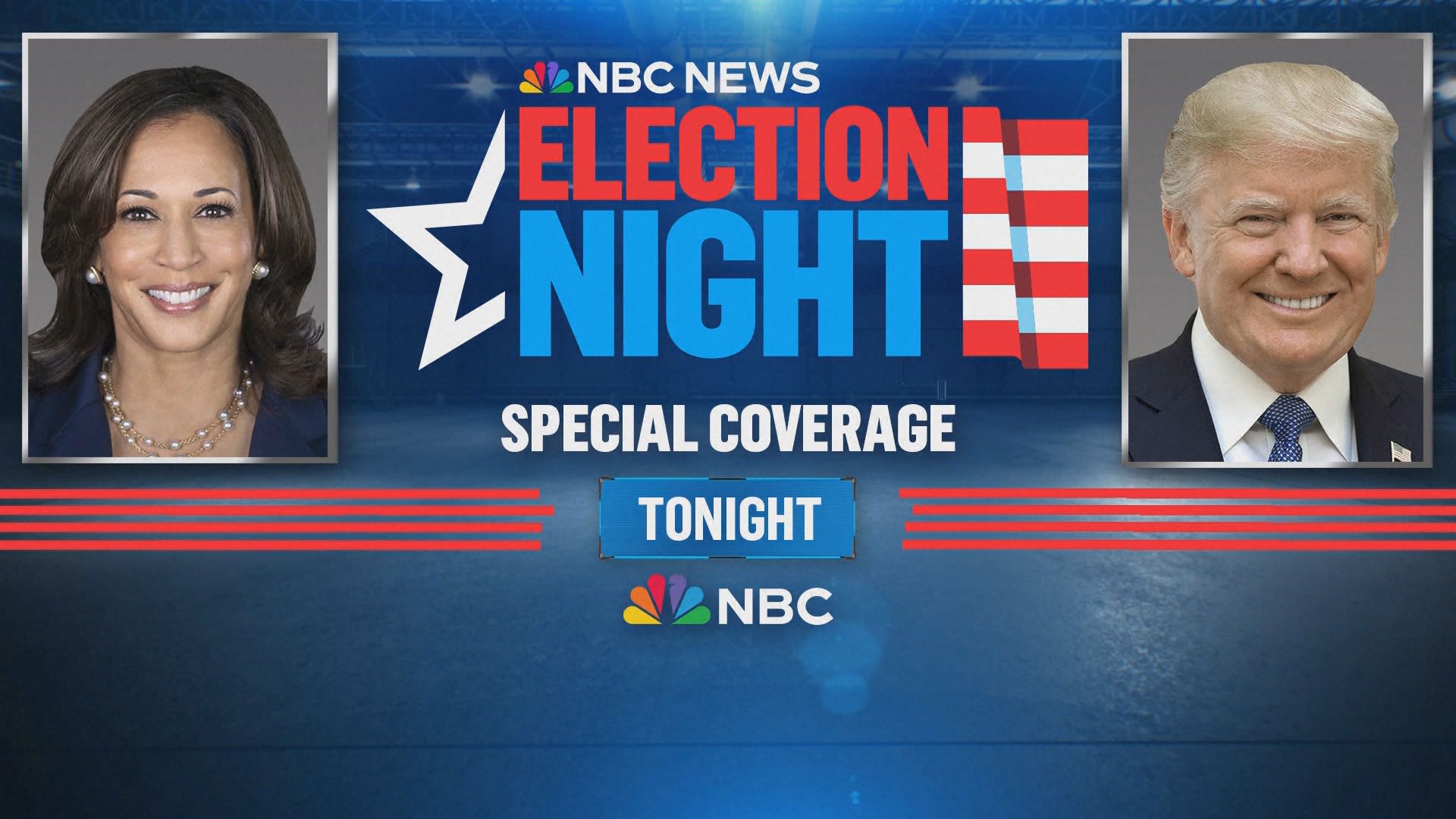
The "Big Three" broadcast networks—NBC, ABC, and CBS—still command significant influence, particularly among older demographics. Their election coverage tends to be more measured than their cable counterparts. There is a certain prestige attached to their main evening news broadcasts, which often prioritize broad accessibility.
However, the 24-hour news cycle has shifted much of their top political talent to cable or digital platforms. Consequently, their general news coverage can sometimes feel disconnected from the intense, round-the-clock political drama happening elsewhere. That said, their local affiliate structures mean they often have strong on-the-ground reporting in key swing states. If you want a comprehensive overview that balances national headlines with regional impacts, these networks remain a solid, if sometimes traditional, choice.
Cable News: The Spectrum of Opinion
This is where the waters get murkiest. Cable news dominates political advertising and conversation, but it is inherently segmented by ideology. Understanding this segregation is crucial for getting a balanced view.
- MSNBC: Widely regarded as leaning liberal or progressive. It offers deep dives into Democratic strategies and tends to frame stories through a lens that scrutinizes conservative policies. It’s essential for understanding the left-wing perspective but may feel repetitive if you only watch one side.
- Fox News: The clear leader in conservative coverage. It provides extensive analysis of Republican viewpoints and often challenges mainstream narratives. For a conservative viewer, this is the primary hub for connecting with the cultural and political sentiments of the base.
- CNN: Historically positioning itself as the center, CNN tries to balance these poles. In practice, critics from both sides often accuse it of bias, sometimes to the left or sometimes toward corporate institutionalism. It remains the most-watched cable news network during major breaking news events, offering high production value and ubiquitous presence.
The key takeaway here is that these channels are not just reporting news; they are participating in the political discourse. Watching only one will inevitably skew your perception of the electorate.
Public Media and International Perspectives
For those seeking a middle ground that avoids the sensationalism of cable, NPR (National Public Radio) and PBS NewsHour offer slower-paced, more nuanced coverage. NPR’s audio format forces a focus on language and detail rather than visuals, which can be refreshing. Their reporting is often more investigative and less reactive to the daily horse-race narrative.
Interestingly, international outlets like BBC News or Al Jazeera can provide a unique vantage point. Because they are not beholden to American elections or advertiser pressures in the same way, they often highlight structural issues or global implications that domestic US channels might overlook. Watching the BBC’s coverage of a US election can reveal what the rest of the world sees in our political chaos.
The Rise of Data-Driven Digital Journalism
Traditional video broadcasts are no longer the only game in town. Outlets like The Marquee LATimes Project have revolutionized election night coverage with live maps and real-time data analysis. Similarly, FiveThirtyEight (now part of Vox Media) offers statistical modeling and prediction markets that cut through the punditry.
These platforms appeal to voters who want to understand the mechanics of victory. Instead of listening to an anchor guess whether a state will flip, you can look at the delegate counts, polling aggregates, and historical trends. This approach is less about emotion and more about the mathematics of democracy.
How to Build a Balanced Media Diet
The best news channel for election coverage isn’t a single source; it’s a combination. If you only watch one network, you are accepting a curated reality. The most informed voters actively seek out dissonance.
Try this strategy: Start with a wire service like AP or Reuters for the bare facts. Then, watch segments from both MSNBC and Fox News to understand how each side is interpreting those facts. Finally, check a data-focused site for the actual numbers. This triangulation method requires more effort, but it protects you from echo chambers and provides a holistic view of the election landscape.
Frequently Asked Questions
Which news channel is the most unbiased?
No channel is perfectly unbiased, as all media involves editorial choices. However, wire services like the Associated Press and Reuters are generally considered the most neutral because their business model relies on selling factual reporting to outlets across the political spectrum.
Is cable news reliable for election updates?
Cable news is reliable for breaking news speed, but its analysis is often opinion-driven. For vote counts and official results, it is better to rely on the Associated Press's certified counts, which are typically cited by all major networks. Avoid reacting to early projections, which are statistical estimates, not final results.
What are the best resources for local election data?
For local county or city races, national networks often lack depth. Your best bet is your local public radio station, local affiliates of major networks, or the official website of your county’s Board of Elections. These sources provide the most accurate precinct-level data.
How can I avoid misinformation during an election?
Wait for verification from major wire services. Be skeptical of images or videos shared on social media without explicit sourcing. Cross-reference breaking stories with at least two other reputable, ideologically distinct outlets before accepting them as fact.
:max_bytes(150000):strip_icc():focal(704x299:706x301)/fox-news-election-night-coverage-110722-b124a42d82a74acd92def7366b0549d4.jpg)