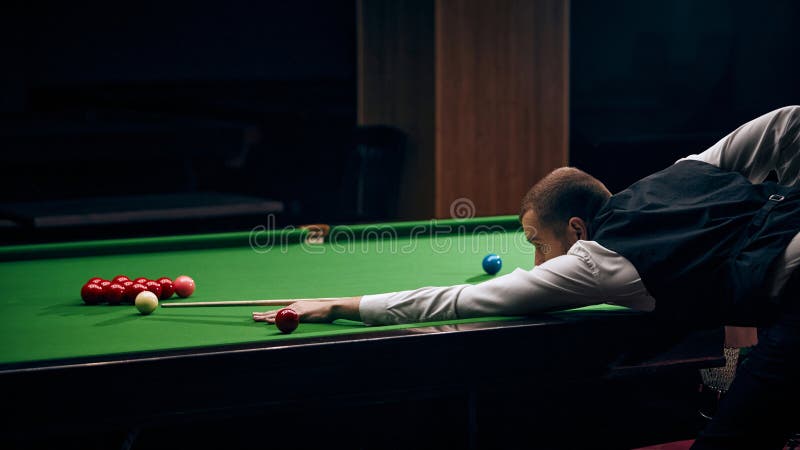
Billiards: Sport, Game, or Gambling? A Clear Breakdown
When people ask whether billiards is a sport or a gamble, they’re often weighing two sides of the same pool table. The distinction isn’t just semantic; it shapes how the game is perceived, regulated, and enjoyed worldwide. In this article we’ll unpack the rules, history, and cultural contexts that help answer the question: Billiards sport or gamble?
Is Billiards a Sport or a Game of Chance?
By definition, a sport involves skill, strategy, and competition under regulated rules. Billiards, whether played as 8‑ball, 9‑ball, or snooker, relies heavily on precision, physics, and tactical planning—clear hallmarks of a sport. In contrast, a game of chance depends largely on luck, with limited opportunity for players to influence outcomes through skill alone.
In most professional circuits, billiards is treated as a sport. National and international governing bodies—like the World Pool-Billiard Association (WPA) and the World Professional Billiards & Snooker Association (WPBSA)—set standardized rules, sanction tournaments, and certify players. These organizations operate under the same principles that guide other recognized sports: fairness, uniformity, and measurable performance.
Skill Components That Define the Sport
- Precision and Control: Players must consistently aim for specific pockets while managing cue ball spin.
- Strategic Planning: Deciding shot sequences, safety plays, and break tactics requires forward‑thinking and risk assessment.
- Physical Conditioning: Though not as demanding as contact sports, steady posture, arm endurance, and fine motor control are vital.
- Psychological Resilience: Concentration and mental stamina are essential during high‑stakes tournaments.
When Gambling Meets the Table
While billiards itself is a skill‑based sport, it has historically intersected with gambling. In many countries, betting on billiard matches—especially in high‑profile tournaments—has become an accepted part of the spectator experience. The gambling side manifests in two main ways:
- Betting on Outcomes: Viewers place wagers on which player will win a match or a specific shot.
- High‑Roller Tournaments: Some events feature substantial prize pools that attract players who are both competitors and bettors.
These betting practices do not alter the core nature of billiards as a sport; rather, they add an additional layer of entertainment and financial interest. Regulatory bodies typically separate the sport from the gambling industry, ensuring that tournament integrity remains intact.
Historical Roots: From Leisure to Legality
The origins of billiards date back to the 15th‑century in Europe, where it was initially a pastime in aristocratic courts. As the game spread, local clubs formed and informal wagers were common. By the 19th century, organized billiard halls emerged, and the first formalized rules were drafted. Over time, the sport evolved from a leisurely activity into a competitive arena with professional players, sponsorships, and televised matches.
In many jurisdictions, the legal status of billiards varies. Some places classify it purely as a sport and regulate it accordingly, while others allow casino‑style betting alongside public pools. This dual identity has sometimes led to debates over taxation, licensing, and public perception.
Regulatory Landscape: Sports Bodies vs. Gambling Boards
Internationally, billiards organizations maintain a strict code of conduct that includes anti‑cheating measures, equipment standards, and fair‑play guidelines. In contrast, gambling regulators focus on ensuring transparent betting markets, preventing fraud, and protecting consumers.
In the United Kingdom, for instance, the UK Sports Betting & Gaming Act governs the licensing of sports betting, while the Sports Council oversees billiards as a competitive sport. In the United States, the National Bowling Association—though unrelated—exemplifies how sports leagues can coexist with state gaming commissions.
Why the Debate Still Persists
Several factors keep the “sport or gamble” conversation alive:
- Public Perception: Casual players and fans often blur the lines, especially when betting is visibly integrated into televised events.
- Economic Incentives: Sponsorship deals and advertising budgets frequently tie to betting revenues, influencing how the game is marketed.
- Regulatory Ambiguity: In some regions, laws lag behind the evolving gambling ecosystem, leading to enforcement challenges.
Despite these complexities, the consensus among governing bodies remains clear: billiards is fundamentally a sport, with gambling as an ancillary activity that must be regulated separately.
Getting Involved: From Recreational Play to Professional Aspirations
Whether you’re a casual pool enthusiast or an aspiring professional, understanding the sport’s structure can help you navigate the right path. Recreational leagues often operate under local clubs with minimal oversight, while professional players must qualify through national rankings, participate in sanctioned tournaments, and adhere to equipment standards.
Training programs emphasize both physical skill—such as cue handling and stance—and mental preparation. Many players engage in video analysis, practice drills, and coaching sessions to refine their techniques. For those interested in the business side, knowledge of betting markets and sponsorship dynamics can be beneficial, especially when negotiating contracts or marketing oneself.
FAQs About Billiards: Sport or Gamble?
Q: Can I legally bet on a billiards match in my country?
A: Betting regulations vary by jurisdiction. In places with licensed sports betting, billiard matches may be included. Always check local laws before placing wagers.
Q: Are there professional leagues that focus solely on billiards without gambling?
A: Yes. Leagues like the World Pool-Billiard Association’s World Nine-ball Tour and the World Professional Billiards & Snooker Association operate under strict sporting rules, with separate sponsorship agreements from gambling entities.
Q: Does playing billiards improve my overall physical fitness?
A: While billiards isn’t a high‑intensity workout, it enhances hand‑eye coordination, fine motor skills, and mental focus. For comprehensive fitness, combine it with cardiovascular and strength training.
Q: How does the sport’s governing body prevent cheating in tournaments?
A: Rules include strict equipment inspections, ball and table certifications, and the use of match officials to monitor fouls and unsportsmanlike conduct.
In the end, billiards stands firmly in the realm of sport, with gambling as a side activity that must be responsibly managed. Recognizing this distinction helps players, fans, and regulators appreciate the game’s heritage, skill, and integrity while navigating the evolving landscape of sports betting.