Black Chinese: Journey Through Culture, History, and Identity
When you hear “Black Chinese,” the image that pops up is rarely a textbook portrait. Instead, it’s a mosaic of stories that stretch from 18th‑century ships to 21st‑century skyscrapers. These narratives reveal how people of African descent have woven themselves into the fabric of China, creating a distinct identity that balances two very different heritages.
Early Encounters: From Sailors to Settlers
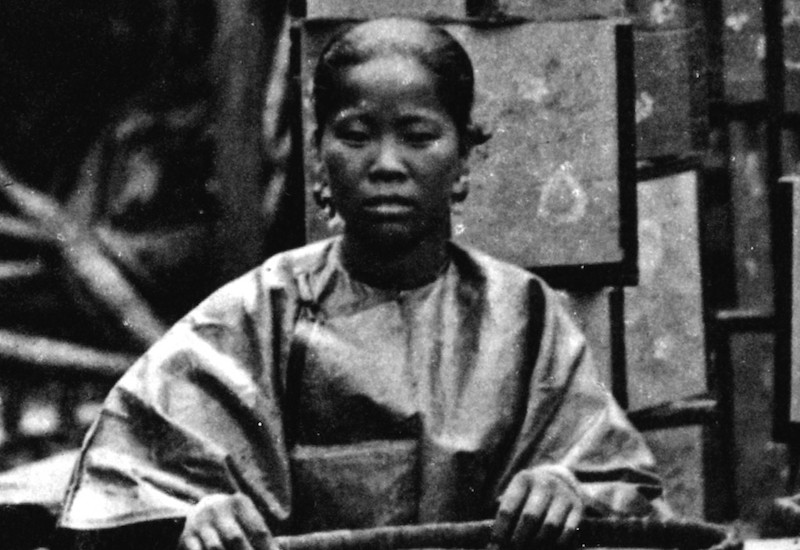
Long before the modern diaspora, African sailors and soldiers appeared on Chinese shores as members of European crews. Portuguese and Dutch vessels that stopped in Macau and Guangzhou often carried West African crewmen, some of whom chose to stay when the ships left port. Historical records from the Qing dynasty note a handful of “negro” residents in coastal towns, and a few even married local women, giving rise to mixed‑heritage families whose descendants still trace their lineage to those early arrivals.
These early Afro‑Chinese families faced a delicate balancing act. While they adopted Chinese customs—learning Mandarin or Cantonese, observing festivals—they also retained elements of African music, oral traditions, and culinary tastes. The result was a quiet cultural syncretism that persisted in small enclaves, especially around the bustling trade hubs of the Pearl River Delta.
The 20th‑Century Student Wave
China’s revolutionary spirit in the 1950s and 1960s opened a new chapter for Black Chinese identity. As Beijing championed anti‑colonial movements, dozens of African students earned scholarships to study engineering, medicine, and politics at institutions like Peking University and the University of Science and Technology of China.
These students formed tight‑knit communities, often living together in dormitories that became miniature “African villages.” They learned to cook with Chinese ingredients, celebrated Chinese New Year alongside their native holidays, and, upon graduation, many returned home as ambassadors of Sino‑African friendship. A handful, however, married Chinese partners and stayed, further enriching the Afro‑Chinese tapestry.
Modern Afro‑Chinese Communities in China’s Cities
Since the 1990s, China’s rapid economic growth attracted a fresh influx of African traders, entrepreneurs, and professionals—particularly to Guangzhou, Shanghai, and Beijing. At its peak, estimates suggested that Guangzhou alone hosted over 200,000 African residents, many of whom opened import‑export businesses in the city’s famous “African district.”
Children born to these families often receive Chinese citizenship automatically, making them legally Chinese while their appearance sets them apart. Schools, however, can be a double‑edged sword. On one hand, the state’s emphasis on universal education offers them opportunities; on the other, subtle biases sometimes surface, ranging from whispered remarks to overt discrimination during group projects.
Local NGOs and university clubs have responded by launching cultural exchange programs. Workshops on African dance, language tutoring, and mentorship schemes aim to empower Black Chinese youth to celebrate both sides of their heritage without feeling forced to choose.
Cultural Fusion: Language, Food, and Celebration
Language is the most visible bridge. Most Afro‑Chinese adults are fluent in Mandarin or Cantonese, but many also speak a West African lingua franca—such as Yoruba, Swahili, or Zulu—at home. Code‑switching becomes a daily ritual: a child might greet grandparents in Swahili, order dumplings in Mandarin, and text friends in English.
Food tells a parallel story. In Guangzhou’s “Chocolate City,” you’ll find stalls offering jollof rice beside bowls of wonton soup. Some families blend spices—adding berbere or suya seasoning to traditional Chinese stir‑fries—creating dishes that feel simultaneously familiar and exotic.
Festivals offer perhaps the most vivid illustration of hybrid identity. During the Mid‑Autumn Festival, a Black Chinese family might carve mooncakes with African motifs, while simultaneously hosting a small drum circle that echoes rhythms from Lagos or Accra. Such celebrations demonstrate how cultural boundaries can be porous, allowing traditions to enrich one another.
Identity Challenges and Resilience
Living at the intersection of two worlds inevitably raises questions of belonging. Many Black Chinese describe a sense of “in‑between”—not wholly accepted by some Chinese peers, yet distinct from African diaspora communities elsewhere. Social media platforms have become spaces where they share stories, advocate for anti‑racism policies, and highlight achievements ranging from athletics to academia.
Legal hurdles also surface. While China’s nationality law grants citizenship to children born on its soil, bureaucratic processes can delay documentation, affecting school enrollment and employment. Advocacy groups are pressing for clearer guidelines, arguing that a more inclusive policy would benefit both the individuals and the broader goal of multicultural harmony.
Despite these obstacles, resilience shines through. Artists of Black Chinese descent are gaining visibility in contemporary Chinese art galleries, blending African motifs with calligraphic strokes. Musicians fuse hip‑hop beats with guzheng strings, attracting audiences eager for fresh sounds. Their work not only showcases personal identity but also expands the cultural lexicon of modern China.
Looking Ahead: A More Inclusive Narrative
China’s global ambitions—through initiatives like the Belt and Road—mean that cross‑cultural exchanges will only increase. As more Africans study, work, and settle in Chinese cities, the Black Chinese experience will likely grow more visible, prompting broader societal conversations about race, citizenship, and belonging.
Educators, policymakers, and community leaders are beginning to recognize that embracing this diversity can strengthen social cohesion. By integrating Afro‑Chinese histories into school curricula and supporting platforms that amplify their voices, China can move toward a narrative that celebrates all its peoples, not just the majority.
FAQ
- What is the historical origin of Black Chinese communities? Early African sailors and soldiers arrived with European trade ships in the 1700s and 1800s, some settling and marrying locally. Later, African students in the 1950s‑60s and modern traders from the 1990s onward added new layers to the community.
- Do Black Chinese citizens face legal disadvantages? While Chinese law grants citizenship to children born in the country, paperwork delays can affect school enrollment and employment. Advocacy groups are pushing for streamlined processes.
- How do Black Chinese people preserve their African heritage? Through language use at home, cooking with African spices, celebrating African holidays alongside Chinese festivals, and participating in cultural clubs that promote African arts and music.
- Is there a growing cultural presence for Black Chinese in the arts? Yes—contemporary artists and musicians increasingly blend African and Chinese elements, gaining exposure in galleries, concerts, and online platforms.