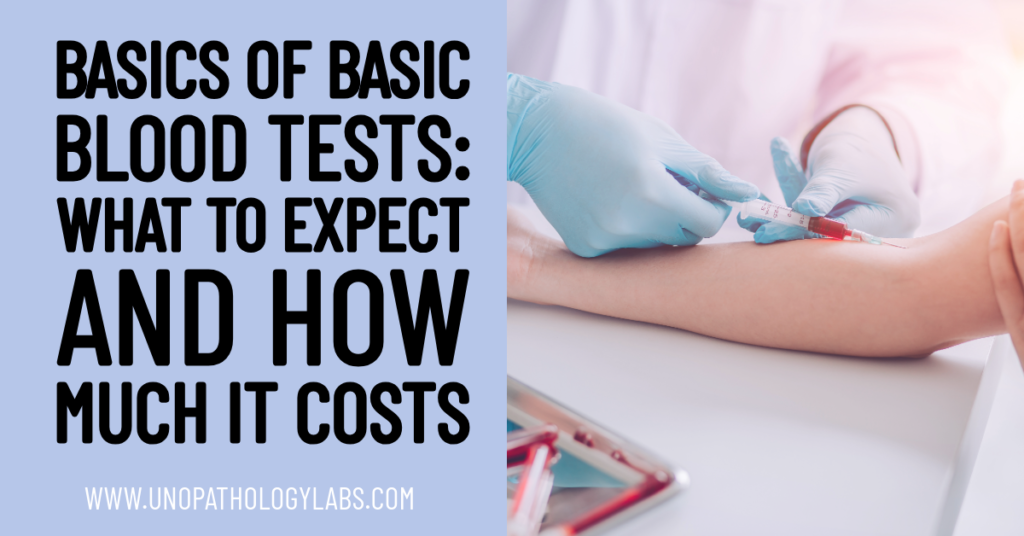
Blood Test Costs: What You Actually Need To Know
There is nothing quite like the anxiety of a morning doctor’s appointment to make you think about money. You’re worried about your health, sure, but then comes the bill. Or worse, the estimate that leaves you staring at your ceiling. Blood tests are a cornerstone of modern medicine, yet their pricing remains one of the most opaque areas of healthcare. If you’ve ever wondered why a simple cholesterol check costs less than your morning latte while a comprehensive metabolic panel feels like a ransom note, you are not alone.
The short answer is that blood test costs vary wildly. They depend on where you go, who pays for it, and exactly what is in that tiny vial. But understanding the variables can save you hundreds, sometimes thousands, of dollars. Before you stick out your arm, it helps to know the landscape.
The Wild Wild West of Testing Labs
Most people assume that a blood test is a blood test. In reality, you have choices that drastically impact the price tag. The two main players in the US market are generally the hospital laboratories and the independent commercial labs, like Quest Diagnostics or LabCorp.
Hospital labs are convenient. You get tested, you get results, and you’re back to your day. But that convenience carries a premium. Hospitals often have higher overheads and different billing structures. They are also more likely to bill your insurance directly, which means you pay what your plan dictates—which might still be a lot if your insurance has high out-of-pocket requirements.
Independent labs, on the other hand, operate on volume. They process millions of samples daily. Because of this efficiency, their base rates are often significantly lower. If you have a high-deductible health plan or no insurance at all, going directly to an independent lab or a retail health clinic can cut costs by half or more. Some pharmacies, like CVS (through Quest) or Walgreens (though some are closing these divisions), offer walk-in testing stations that are incredibly accessible and often cheaper than a hospital visit.
Insurance: The Wildcard Variable
If you have insurance, you might think you’re in the clear. Unfortunately, "covered" doesn’t always mean "free." The concept of the deductible is where most people trip up. If you haven’t met your deductible for the year, you are often paying the full negotiated rate out of pocket. That rate is usually better than the hospital’s cash rate, but it’s not zero.
There is, however, a silver lining: preventive care. Under the Affordable Care Act, many labs must cover preventive blood tests at no cost to you. This includes things like cholesterol screenings and diabetes tests if you’re at risk. The catch? You often have to order these tests yourself or ensure your doctor codes them specifically as preventive. If your doctor orders them to diagnose a current symptom, they may code them as diagnostic, which triggers copays and deductibles. Always ask: "Is this preventive or diagnostic?" before you go.
Direct-to-Consumer Testing: Cutting Out the Middleman
For those who want to avoid insurance entirely, direct-to-consumer (DTC) labs are changing the game. Services like TrueLabs, LetsGetChecked, or even direct ordering through Quest’s "Your Lab Tests" portal allow you to order blood work without a doctor’s referral in many states. You order online, pay the flat fee upfront, walk into a local draw center, and get results digitally.
This model is transparent. You see the price before you pay. A basic lipid panel might run you $60, while a comprehensive metabolic panel could be $100-$150. By comparison, an insurance-billed metabolic panel might claim $200 on the bill, even if the negotiated rate is lower. The trade-off is that you might need to consult a doctor to interpret the results anyway, which adds cost. But for monitoring chronic conditions or general wellness, paying cash upfront is often cheaper than navigating insurance paperwork.
What Drives the Price Up?
Several factors influence the final number:
- Complexity: A simple CBC (Complete Blood Count) is automated and cheap. Specialized tests, like genetic markers or hormone panels, require more reagents and specialized equipment, driving up the cost.
- Geography: Living in New York City or San Francisco will naturally inflate costs compared to a rural town in the Midwest. Labor and facility rents play a role here.
- The "Facility Fee": If the blood draw happens in a hospital, you often pay a facility fee on top of the lab fee. Independent labs rarely charge this.
How to Navigate the Costs Like a Pro
You don’t have to accept the first price quoted. Here is a practical approach to lowering your out-of-pocket expenses.
1. Shop around. If you are paying cash or have a high deductible, call two different labs. Ask for their self-pay price for the specific CPT codes your doctor ordered. The difference can be stark.
2. Ask for the preventive coding. If you are undergoing routine screening, tell your doctor you want this billed as preventive care. If your insurance denies it, you can appeal or pay the lower self-pay rate elsewhere.
3. Use E-shaping tools. Websites like GoodRx or CareCredit often have listings for lab test prices. They aggregate cash prices from various providers, allowing you to compare costs in your area instantly.
4. Bundle tests. If you need multiple tests, try to get them drawn at the same time. Some labs charge a "per draw" fee. Getting five tests in one appointment is almost always cheaper than five separate visits.
FAQs About Blood Test Costs
How much does a basic blood test cost without insurance?
For a standard panel like a CBC or metabolic panel, expect to pay between $50 and $150 out-of-pocket at an independent or direct-to-consumer lab. Hospital cash prices can be three to five times higher, sometimes exceeding $500 for similar tests.
Does Medicare cover blood tests?
Medicare Part B covers many blood tests, particularly for preventive care and managing chronic conditions like diabetes. However, you will typically be responsible for 20% of the Medicare-approved amount after you’ve met your annual deductible.
Can I order blood tests myself without a doctor?
In most US states, yes. This is known as direct-to-consumer testing. You can order panels online, pay upfront, and go to a local draw station. However, rules vary by state, so check local regulations before ordering.
Why does my insurance bill show a higher price than what I paid?
Insurance companies negotiate discounted rates with labs. The amount shown on the Explanation of Benefits (EOB) as the "allowed amount" is often lower than the "billed charges." You are only responsible for your portion of the allowed amount, not the inflated initial bill.
Healthcare pricing is frustratingly complex, but it isn’t impossible to navigate. By understanding where your blood is being drawn and how it’s being coded, you take back control. Knowledge, in this case, doesn’t just empower—it saves money. Next time you head to the lab, go in with a plan, not just a tourniquet waiting for you.