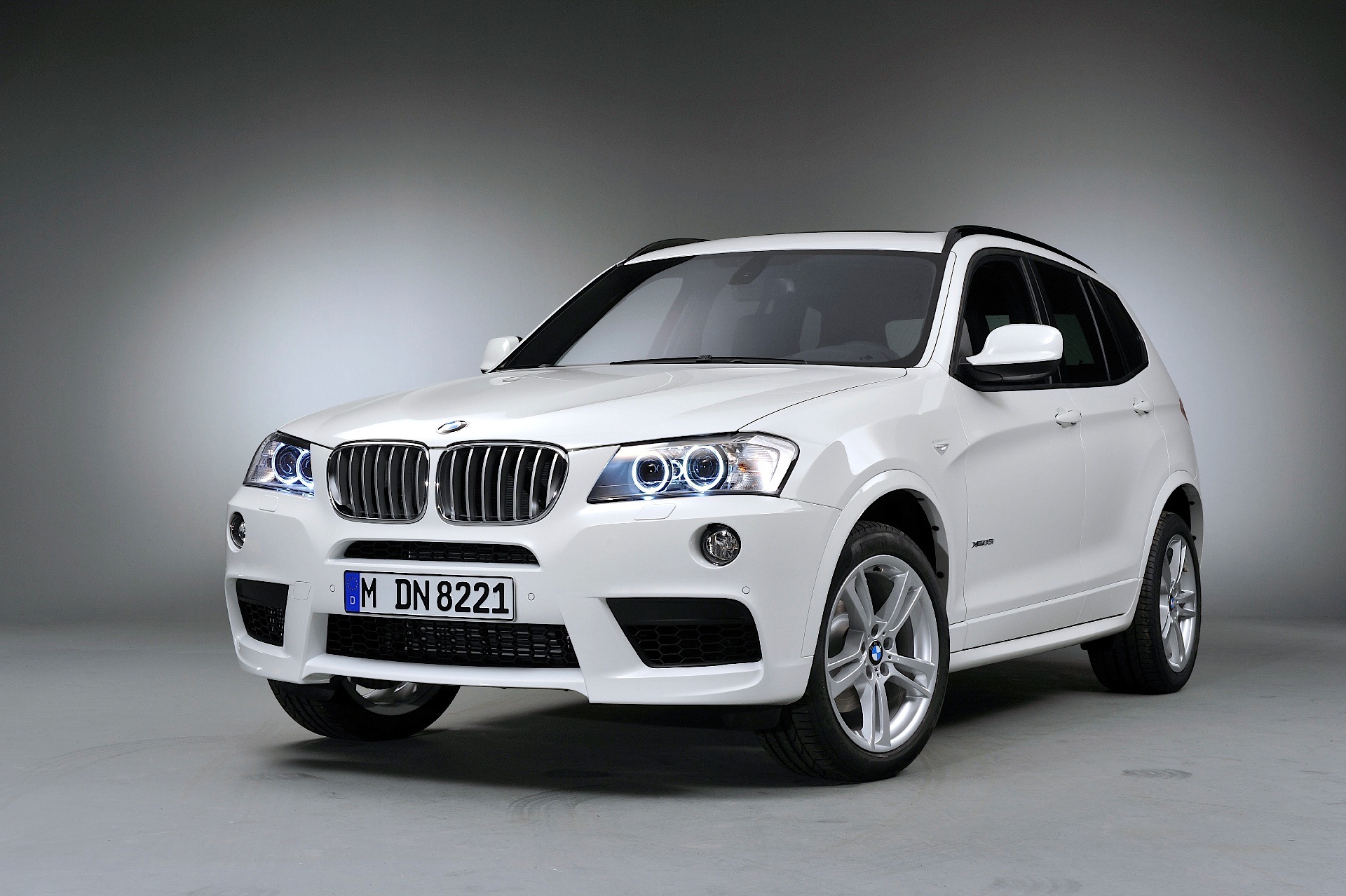
BMW X3 F25 30d Fuel Efficiency: Real World Truths
If you are considering buying a used BMW X3 from the F25 generation, particularly the highly regarded 30d model, you likely have two main priorities. You want that luxurious German driving experience, and you want a car that doesn’t break the bank every time you visit a gas station. The badge says luxury SUV, but the engine under the hood tells a different story.
The BMW X3 F25 30d is widely respected for balancing performance with practicality. But how efficient is it in reality? Does it live up to the manufacturer’s claims, or does the real world punish it for its weight and aerodynamics? Let’s dig into the data, the driving habits, and the mechanical nuances that determine whether your fuel tank drains slowly or quickly.
The Powertrain Behind the Numbers
To understand the fuel efficiency, you first need to understand what is powering the vehicle. The F25 30d models are typically equipped with a 3.0-liter inline-six turbocharged diesel engine. In earlier years, this was the N57 engine, which was later updated to the N57D30O updates and eventually replaced by the B57 in the latter years of production.
These engines are engineering marvels. They deliver strong torque, often exceeding 400 Nm, which allows the SUV to move its relatively heavy frame with ease. Because the engine makes power low in the rev range, you rarely need to rocket the RPMs to overtake on the highway. This inherent characteristic of the inline-six diesel is the primary reason the car feels economical even when it isn’t strictly idling.
However, power comes at a cost. The X3 is not a featherweight. Between the all-wheel-drive system (xDrive), the robust chassis, and a cabin filled with premium materials, the curb weight is significant. You are moving a lot of mass. Therefore, city driving and stop-and-go traffic are where the efficiency numbers tend to suffer the most.
Real-World Consumption vs. Official Stats
Manufacturers often publish optimistic fuel economy figures based on standardized test cycles. For the BMW X3 F25 30d, official estimates might hover around 7.0 to 7.5 liters per 100 kilometers (roughly 31-33 mpg US). While these numbers are a useful benchmark, they rarely reflect daily life.
Here is what owners and independent reviewers typically report in real-world conditions:
- Highway Cruising: This is where the X3 shines. At steady speeds of 100-110 km/h (62-68 mph), drivers often achieve between 5.5 and 6.5 liters per 100 km (36-42 mpg US). The diesel engine loves steady loads.
- Mixed Driving: A combination of city and highway commuting usually results in figures closer to 7.0 to 8.0 liters per 100 km (29-33 mpg US). This is the sweet spot for most owners.
- City Traffic: In heavy congestion, with frequent stops and short distances, consumption can spike to 9.0 - 10.0 liters per 100 km (26-29 mpg US) or higher. Cold starts and idling take a real toll on diesel efficiency.
It is important to note that individual results vary wildly based on tire pressure, aerodynamic add-ons like roof racks, and how aggressively you drive. The "sport" mode in the transmission and engine management can also influence consumption slightly, though the difference is often marginal in everyday use.
Factors That Drain Your Fuel Economy
If you find your fuel gauge dropping faster than expected, you aren’t necessarily looking at a broken car. Several external and internal factors play a massive role in the efficiency of a diesel SUV.
Tire Choice and Pressure
Rolling resistance is a silent killer of fuel economy. Low-profile performance tires, common on the M Sport package, generate more heat and drag than standard endurance tires. Keeping your tires inflated to the BMW-recommended pressure (check the driver’s door jamb sticker) is the single easiest fix for worse-than-average MPG. Under-inflated tires can increase fuel consumption by 1-2% immediately.
The xDrive System
The F25 30d comes with BMW’s xDrive all-wheel-drive system. While fantastic for traction in rain, snow, or light off-roading, it adds mechanical complexity and weight. The system uses a multi-plate clutch to distribute torque. In ideal dry conditions, it sends most power to the rear wheels, but the electronic controlled clutch pack is always ready. If you frequently drive in conditions where the system is actively engaging the front axle significantly, you will see a slight dip in efficiency compared to a rear-wheel-drive variant (though the 30d is predominantly AWD).
AdBlue and DPF Systems
Modern diesels rely on complex emissions systems. The Defeatable Particulate Filter (DPF) requires regular regeneration cycles to burn off soot. If you only drive short distances, the DPF may not reach the temperature needed to regenerate fully. This can lead to clogging, which restricts exhaust flow and reduces engine efficiency, both in performance and fuel economy. Similarly, the AdBlue (urea) system needs to be topped up periodically. While AdBlue itself isn’t fuel, a malfunctioning SCR system can put the car into limp mode, drastically altering performance characteristics.
Is the X3 30d Expensive to Run?
"Expensive" is relative. Compared to a small hatchback or a hybrid, the X3 30d will cost more. Compared to a V8 SUV or a supercharged sports car, it is remarkably frugal. For a 3.0-liter six-cylinder vehicle of this size, the fuel efficiency is class-leading, especially when driving on open roads.
The biggest cost factor isn’t always the fuel itself, but the maintenance required to keep the diesel running efficiently. Diesel engines are robust, but they require high-quality synthetic oils, regular filter changes, and attention to the exhaust after-treatment systems. Neglecting maintenance doesn’t just risk a breakdown; it often leads to inefficient combustion, which burns more fuel.
Tips for Maximizing Efficiency
You can squeeze out better numbers without sacrificing comfort. Here are a few practical tips:
- Use Eco Pro Mode: BMW’s Eco Pro mode softens throttle response and adjusts the transmission shift points to favor economy. It trains you to drive more efficiently without feeling like you are driving a lawnmower.
- Anticipate Traffic: Coasting in neutral is bad for modern automatic transmissions. Instead, lift off the accelerator early when approaching a red light or traffic jam. Engine braking allows you to glide, saving fuel that would otherwise be spilled as heat from the brakes.
- Reduce Weight: Clear out the trunk. Every 50 kg (110 lbs) of unnecessary weight makes the engine work harder, especially in city driving.
- Aerodynamics Matter: Remove roof racks and bike carriers when not in use. The turbulence they create at highway speeds significantly increases drag, forcing the engine to work harder to maintain speed.
Final Thoughts on Ownership
The BMW X3 F25 30d is not the most economical car on the road, but it is an exceptionally balanced one. It offers the refined driving dynamics and power that BMW enthusiasts crave, paired with diesel efficiency that makes long-distance touring sensible. If you primarily drive on highways or mix in moderate city driving, you will likely be pleasantly surprised by how often you fill up the tank compared to similarly sized petrol SUVs.
Just remember: proper maintenance is key. A well-cared-for diesel will keep its efficiency ratings stable for hundreds of thousands of kilometers. Neglect, however, will bleed your wallet dry in both fuel costs and repair bills.
FAQ
What is the real-world fuel consumption of a BMW X3 F25 30d?
On average, real-world consumption ranges from 6.5 to 7.5 liters per 100 km (35-34 mpg US) for mixed driving. Highway driving can drop this to around 5.5-6.5 L/100km, while heavy city traffic may push it to 9.0 L/100km or higher.
Does using AdBlue affect fuel efficiency?
Not directly, as AdBlue is a separate fluid injected into the exhaust. However, a malfunctioning AdBlue or SCR system can cause the engine to enter limp mode, which severely impacts performance and can indirectly affect efficiency due to erratic throttle response and reduced power availability.