Boeing 777 Vs 737: Which Plane Is Actually More Comfortable?
Ask almost any frequent flyer to pick their favorite aircraft, and the answer usually hinges less on the airline logo and more on the fuselage they’re strapped into. When the choice boils down to the Boeing 777 versus the Boeing 737, you are essentially choosing between two entirely different flying experiences. One is a wide-body giant built for intercontinental endurance, while the other is a narrow-body workhorse designed for efficiency and shorter hops. But which one actually feels better under your feet?
The Anatomy of Space: Wide-Body vs. Narrow-Body
The most immediate difference you’ll notice upon boarding is the aisle width. The Boeing 737, perhaps the most recognizable plane in aviation history, is a single-aisle aircraft. It typically holds between 180 and 210 passengers, depending on the variant and airline configuration. Because it is narrow, the economy cabin can sometimes feel claustrophobic, with just enough room for your shoulders and a bit more for the seats.
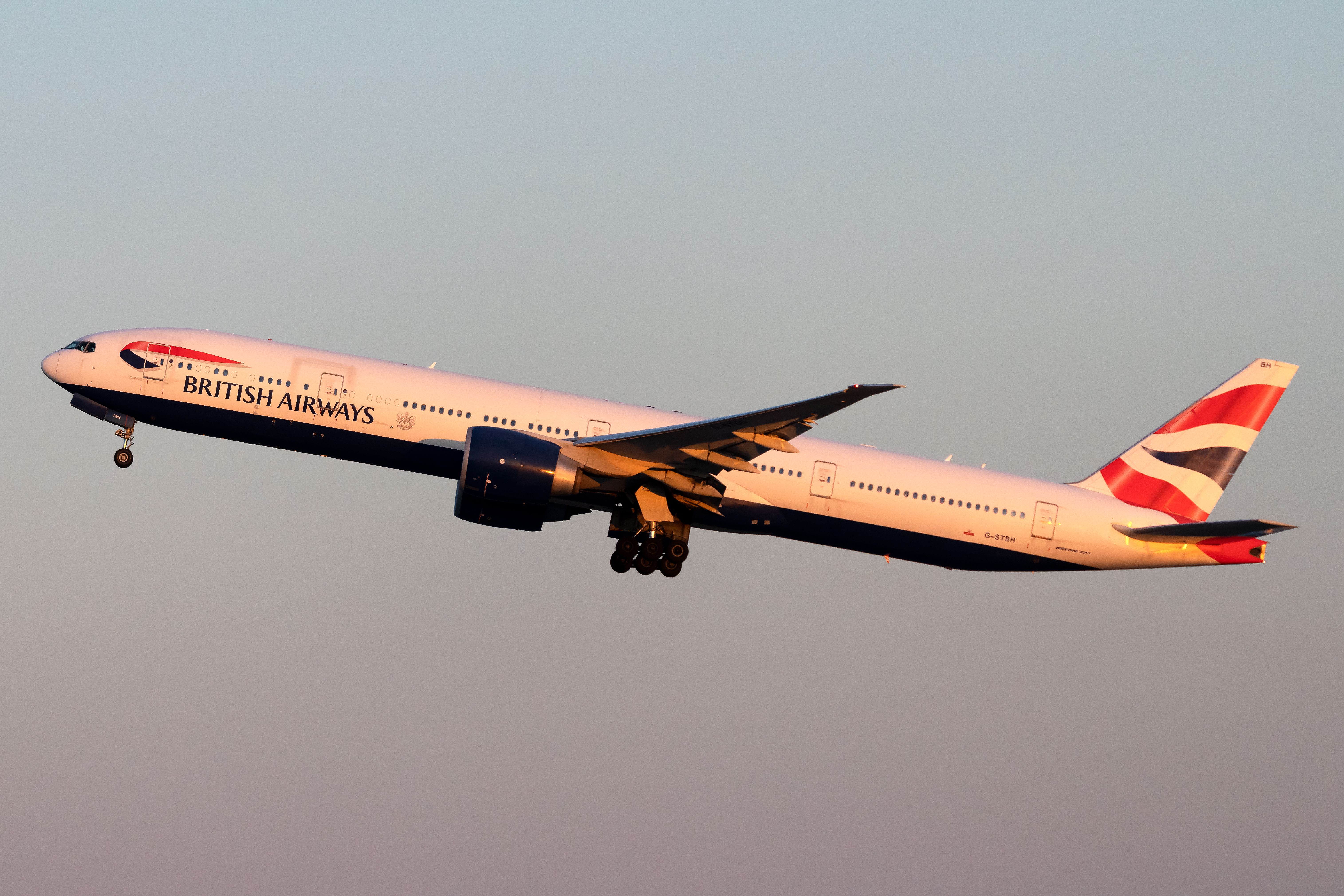
The Boeing 777, by contrast, is a twin-aisle wide-body jet. It carries anything from 300 to over 400 passengers. The presence of a second aisle changes the psychological game entirely. Even in economy, you have more lateral space. The seats themselves are generally wider, and the legroom specifications often lean slightly more generous because airlines can afford the real estate. If you are over six feet tall, the 777 is almost always the superior choice for physical comfort simply due to the sheer volume of air and space around you.
Cabin Pressure and Hygiene: The Invisible Comfort Factors
Comfort isn’t just about seat width; it’s also about how the aircraft treats your body at 35,000 feet. Both aircraft types pressurize their cabins, but the 777 generally handles this better. Because it is a larger structure with more advanced environmental control systems, the 777 maintains a lower cabin altitude (often around 6,000 feet) compared to some older 737 models that might simulate an altitude of 8,000 feet or higher.
Why does this matter? A lower cabin altitude means your body absorbs more oxygen, reducing fatigue and that heavy-headed "board vibe" you often feel landing from a long haul. Additionally, the 777 is designed for long-range routes. Its cabins are equipped with better air filtration systems that circulate clean air more frequently. On a 12-hour flight from New York to London, that fresh air makes a tangible difference in how you feel upon arrival.
Turbulence Handling: Stability vs. Agility
If you are a nervous flyer, the size of the plane matters significantly. The Boeing 777 is a heavy, stable beast. It cuts through atmospheric disturbances with ease. When you hit a pocket of turbulence on a 777, it feels more like a gentle sway than a violent shake. The gyroscopic stability of its high-bypass engines helps smooth out the ride.
The 737, being lighter and narrower, is more susceptible to turbulence. You will feel the bumps more acutely. However, this is less of an issue on short domestic flights where weather patterns are often more predictable and the duration of exposure is limited. But if you are crossing an ocean or flying over mountainous terrain at night, the 777’s ability to stabilize the cabin provides a sense of security that the 737 simply cannot match.
Noise Levels and Vibrations
Modern Boeing aircraft are surprisingly quiet, but there is still a distinction. The 777’s engines are massive and high-bypass, which means they move a lot of air at lower speeds, creating a deeper, quieter hum. The soundproofing in the 777 cabin is also more robust to ensure passengers can sleep during overnight red-eyes.
The 737 Next Generation (NG) and even the newer MAX series have improved noise insulation, but engine noise is often more intrusive, particularly in economy class closer to the wings. For those sensitive to droning sounds, the 777 offers a quieter sanctuary, allowing for better rest or work productivity without needing premium noise-canceling headphones.
When Does the 737 Win?
It is important not to paint the 737 entirely as the inferior comfort option. For short-haul flights under three hours, the difference between the two planes diminishes. The 737 has become the standard for a reason: it is efficient, reliable, and gets you where you need to go with minimal layovers. Plus, because it is used for shorter routes, you are less likely to endure the grueling experience of eating airline food for several hours, which is often the true enemy of flight comfort.
Furthermore, newer 737 MAX models feature improved cabin windows with electrochromic dimming technology and better LED lighting, which helps regulate circadian rhythms. If you are flying domestically, the convenience of a quick 737 flight often outweighs the marginal comfort gains of a larger jet.
FAQs
- Are Boeing 777 seats wider than 737 seats?
Generally, yes. While seat width varies by airline, the 777’s wider fuselage allows for seats that are typically one to two inches wider than those on a 737. - Which plane is better for long-haul flights?
The Boeing 777 is specifically designed for long-haul routes. It offers better pressure, quieter cabins, and often includes amenities like larger toilets and galleys, making it much more comfortable for flights exceeding six hours. - Is the Boeing 737 safe despite being smaller?
Yes. The 737 is one of the most flown and tested aircraft in the world. Its smaller size does not compromise safety; however, it may feel bumpier in rough weather compared to the stable 777. - Can I choose which aircraft I want to fly?
Not directly. Airlines assign aircraft based on route demand and efficiency. However, you can check flight simulations or airline websites to see what aircraft is scheduled for your specific booking before you buy your ticket.