Brawl Stars: Is It a Competitive Esports Contender?
When you hear “Brawl Stars,” the first image that pops up is usually a bright, cartoon‑ish arena where friends toss bombs and dodge laser beams. Yet, behind that casual veneer lies a game that’s quietly attracting tournament organizers, sponsors, and a growing roster of pro players. The question on many forums and Discord channels isn’t “how do I get a three‑star trophy?” but rather “can Brawl Stars hold its own alongside League of Legends or Counter‑Strike?”
Why Brawl Stars Caught the Competitive Eye
The shift from mobile pastime to potential esport began the moment Supercell rolled out structured seasons and ranking ladders. Unlike many mobile titles that rely on endless grinding, Brawl Stars offers concise matches—usually under three minutes—making it ideal for live broadcasts.
Watch a high‑stakes showdown on a streaming platform, and you’ll notice three things immediately:
- Quick decision‑making: Players must choose attacks, retreats, and power‑ups in a heartbeat.
- Clear visual cues: The bright color palette actually helps spectators track who’s winning.
- Team synergy: Modes like 3‑vs‑3 require coordinated ultimates and positioning, mirroring classic team‑based esports.
Core Gameplay Elements That Favor Esports
Not every mobile game transitions well to a competitive stage, but Brawl Stars possesses a handful of design choices that make it feel natural in a tournament setting.
Balanced roster of Brawlers
Supercell currently fields over 50 distinct characters, each with unique attack patterns, health pools, and ultimate abilities. The developers continually tweak stats through patches, a practice familiar to any major esport. This constant balancing act keeps the meta fluid, preventing one‑off strategies from dominating for months on end.
Mode variety with distinct skill demands
From the chaotic “Brawl Ball” to the tactical “Gem Grab,” each mode tests different aspects of player skill. Organizers can mix modes within a single tournament, rewarding teams that master a broader skill set rather than those who specialize in a single map.
Transparent ranking system
The ladder‑based “Power League” offers a clear, measurable path from Bronze to Chromatic. Since rankings reset each season, players get fresh chances to climb, which fuels a competitive narrative that fans can follow week after week.
Current Competitive Scene
While Brawl Stars isn’t yet a headline act at the biggest gaming conventions, its ecosystem is expanding faster than many expected.
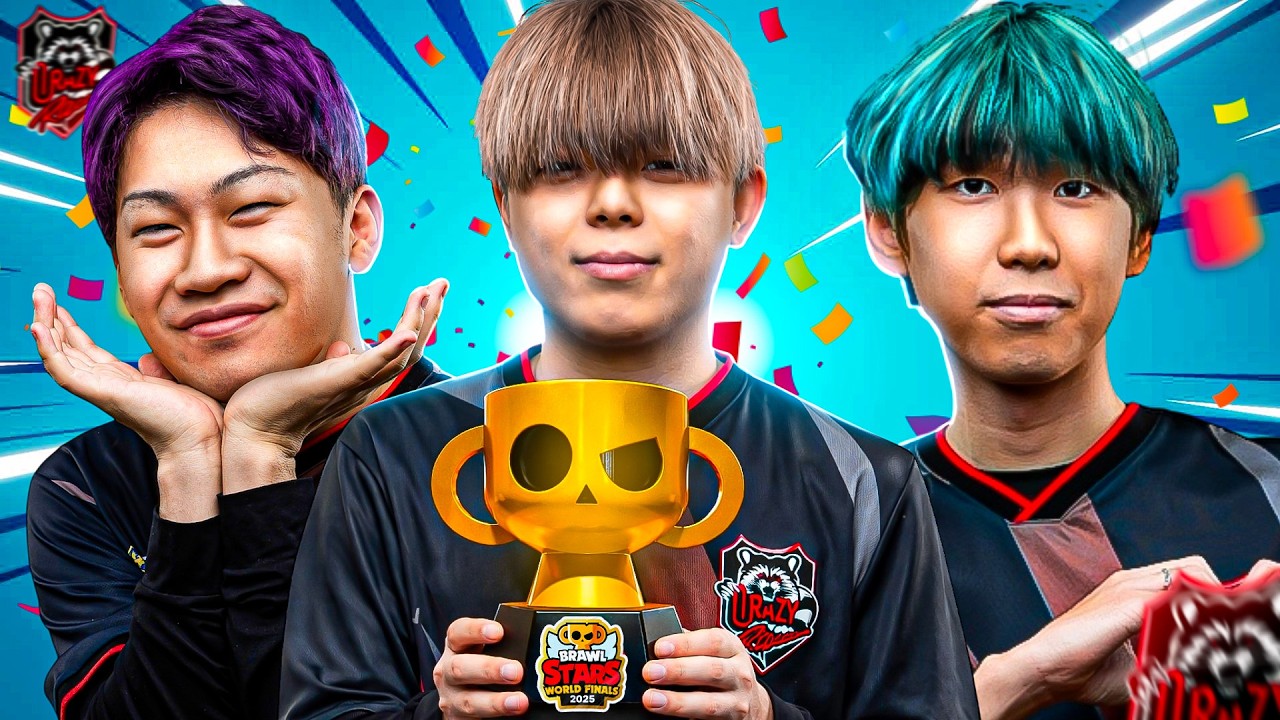
- Official Supercell tournaments: The “Brawl Stars World Finals” in 2023 drew over 300,000 concurrent viewers on Twitch, with prize pools hitting $200,000.
- Regional qualifiers: Europe, Southeast Asia, and South America now host monthly qualifiers that feed into larger championships.
- Grassroots leagues: Community‑run circuits like “Brawl Academy” offer mentorship for up‑and‑coming players, bridging the gap between casual and pro.
These events have attracted traditional esports sponsors—energy drinks, gaming peripherals, even telecom brands—signalling that the market sees tangible value in the audience Brawl Stars can command.
Obstacles and Criticisms
Despite its promise, several hurdles keep Brawl Stars from being universally accepted as a top‑tier esport.
- Mobile hardware variance: Lag spikes or frame drops on older phones can affect reaction times, raising fairness concerns in high‑stakes matches.
- Perception of “casual” branding: The game’s bright aesthetic sometimes leads casual viewers to dismiss it as “just a kids’ game,” overlooking the skill involved.
- Limited spectator tools: Compared to titles like Dota 2, Brawl Stars lacks built‑in observer modes that let commentators overlay stats or replay key moments in real time.
These issues aren’t insurmountable, but they require concerted effort from both Supercell and the broader community to overcome.
Future Prospects: What Needs to Happen
The next phase for Brawl Stars hinges on three main developments.
- Enhanced broadcast infrastructure: Adding features such as player cams, real‑time health bars, and tactical maps would elevate the viewing experience for both newcomers and seasoned fans.
- Partnerships with established leagues: Co‑hosting events with organisations like ESL or MLG could lend credibility and expose the game to a wider esports audience.
- Consistent prize pools and season structures: Maintaining or increasing prize money signals long‑term investment, encouraging teams to treat Brawl Stars as a career path rather than a side hobby.
If Supercell follows the roadmap of other mobile successes—think Arena of Valor’s push into the Asian market—Brawl Stars could easily transition from a niche mobile competition to a staple on the global esports calendar.
Bottom Line
Is Brawl Stars a competitive esports contender? The answer isn’t a simple yes or no. The game already boasts a balanced roster, fast‑paced matches, and an emerging tournament scene that draws respectable viewership. Yet hardware limitations, perception hurdles, and a need for richer broadcast tools hold it back from the very top tier.
For players who relish quick reflexes and strategic team play, the platform offers a legitimate arena to showcase skill. For investors and organizers, it presents a growth market that, with the right polish, could rival more established titles. In short, Brawl Stars sits at a crossroads—its next moves will determine whether it remains a promising side‑show or becomes a headline act in the esports arena.