Can a Triceratops Garden? Diet, Skills, and Possibilities
When you picture a Triceratops diet, the image that usually pops up is a massive herbivore chewing on ferns, cycads, and low‑lying shrubs. But what if that same creature tried something a little more horticultural—like tending a garden? The idea sounds whimsical, yet it offers a fun way to explore the dinosaur’s feeding habits, physical abilities, and the ecological niche it occupied.
What the Fossil Record Tells Us About the Triceratops Diet
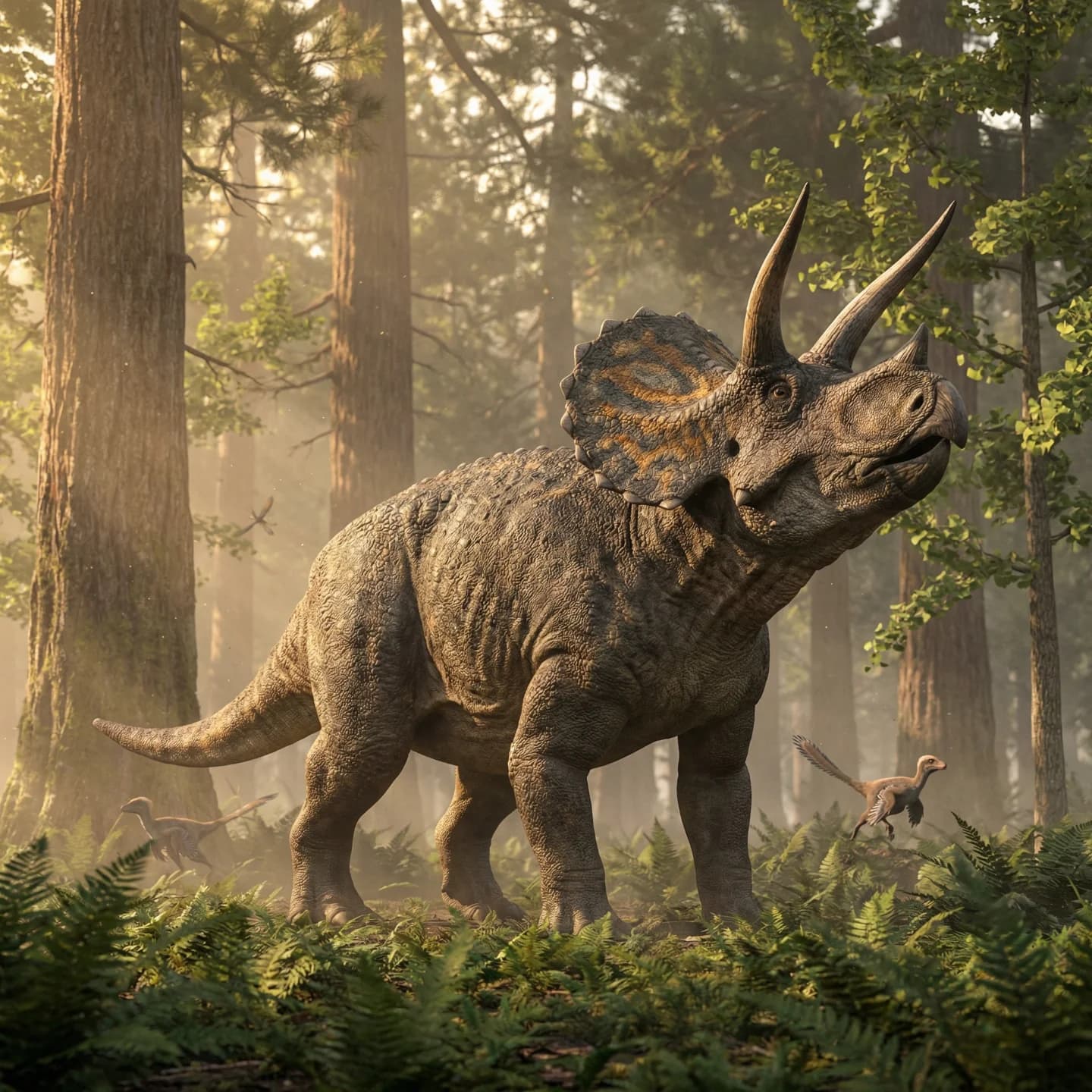
Scientists have pieced together the menu of this three‑horned giant primarily from tooth wear patterns and the types of plants preserved alongside its fossils. The beak was sharp enough to snap tough foliage, while the cheek teeth formed a grinding surface akin to a modern cow’s molars.
- Ferns and horsetails: Abundant in the Late Cretaceous, these provided a reliable source of fiber.
- Cycads and ginkgoes: Their tough leaves required powerful chewing, which the Triceratops could deliver.
- Conifers: Needles and young shoots were likely nibbled when more delicate plants were scarce.
Overall, the dinosaur was a non‑selective browser, munching on whatever green matter was within reach. This broad diet hints at a digestive system built for processing large volumes of low‑nutrient plant material—something that would influence any hypothetical gardening attempts.
Physical Features That Might Make a Triceratops a Garden Helper
Beyond its appetite, the Triceratops possessed several traits that, in theory, could be repurposed for horticulture.
- Powerful beak: Resembling a parrot’s, it could shear stems or strip bark with surprising precision.
- Robust forelimbs: Each arm ended in five clawed fingers capable of moving soil or pulling up small shrubs.
- Sturdy stance: A low center of gravity helped it remain balanced while reaching down to ground‑level plants.
- Social behavior: Evidence suggests they lived in herds, so a “garden crew” might have emerged naturally.
Imagine a group of juveniles using their beaks to prune young shoots while adults tram‑down competing vegetation with their massive bodies. In that sense, the dinosaur’s natural activities already resembled a rudimentary form of garden maintenance.
Why a Triceratops Would Still Struggle to Cultivate a Garden
Despite these advantages, several practical obstacles would quickly turn the fantasy into a nightmare.
First, the sheer size of an adult Triceratops—up to 30 feet long and weighing several tons—means any footfall would compact soil far more than a gardener intends. Compacted earth reduces aeration and water infiltration, stunting root growth.
Second, its digestive system was built for bulk, not for the selective consumption of cultivated crops. Even if a Triceratops learned to recognize a tender lettuce leaf, the instinct to graze indiscriminately would likely override any restraint.
Third, the dinosaur’s horns, while perfect for defense, could easily damage delicate plants. A mis‑swung head could flatten an entire row of seedlings in an instant.
Finally, the climate of the Late Cretaceous—warmer and more humid than most modern temperate zones—supported plant species that differ greatly from today’s garden staples. Trying to grow tomatoes or basil under a Triceratops’s care would involve a mismatch of both flora and environmental conditions.
Could We Engineer a “Triceratops‑Friendly” Garden?
If we suspend disbelief and design a garden around the dinosaur’s strengths, a few adjustments might make the concept marginally feasible.
- Plant hardy, low‑lying species: Think of tough grasses, low succulents, and ground‑cover ferns that can survive occasional foot traffic.
- Use raised beds with reinforced edges: This would protect the most vulnerable plants from horn damage.
- Incorporate natural barriers: A ring of thorny bushes could guide the Triceratops’s movements, reducing random trampling.
- Provide abundant, low‑nutrient forage: By satisfying its bulk‑eating instincts, the dinosaur might be less inclined to nibble on cultivated crops.
Even with such modifications, the scenario remains more of a thought experiment than a realistic agricultural model. Still, it illustrates how understanding an extinct animal’s biology can spark creative ecological thinking.
What Modern Animals Teach Us About Herbivore Gardening
Today's large herbivores—elephants, rhinos, and even domesticated goats—sometimes serve as natural lawn mowers or brush control agents. Elephants, for example, can clear large swaths of vegetation, creating open spaces that promote new growth. Goats are employed in “targeted grazing” to manage invasive plants without chemicals.
These analogues suggest that, under the right conditions, a massive herbivore could act as a living gardener, albeit one that prefers sweeping changes over delicate pruning. The Triceratops, with its similar feeding style, would likely have behaved in much the same broad‑brush manner.
FAQ
What plants could a Triceratops safely eat without damaging its teeth?
Soft, fibrous vegetation such as ferns, young cycads, and certain conifer shoots would have been easy on its grinding teeth, while overly woody stems could cause excessive wear.
Could a Triceratops be trained to avoid cultivated crops?
Training a wild Cretaceous megaherbivore is purely speculative. While modern herbivores can be conditioned to some extent, the instinctual grazing behavior of a Triceratops would likely dominate.
Did Triceratops use its horns for anything besides defense?
Fossil evidence hints that the horns may have played a role in intraspecific displays or competition for mates, much like modern ungulates use antlers, but they were not specialized tools for gardening.
How does the Triceratops’s diet compare to that of a modern-day cow?
Both are bulk grazers with similar tooth structures for grinding plant matter. However, the Triceratops consumed a wider variety of prehistoric flora, including many plants that no longer exist.