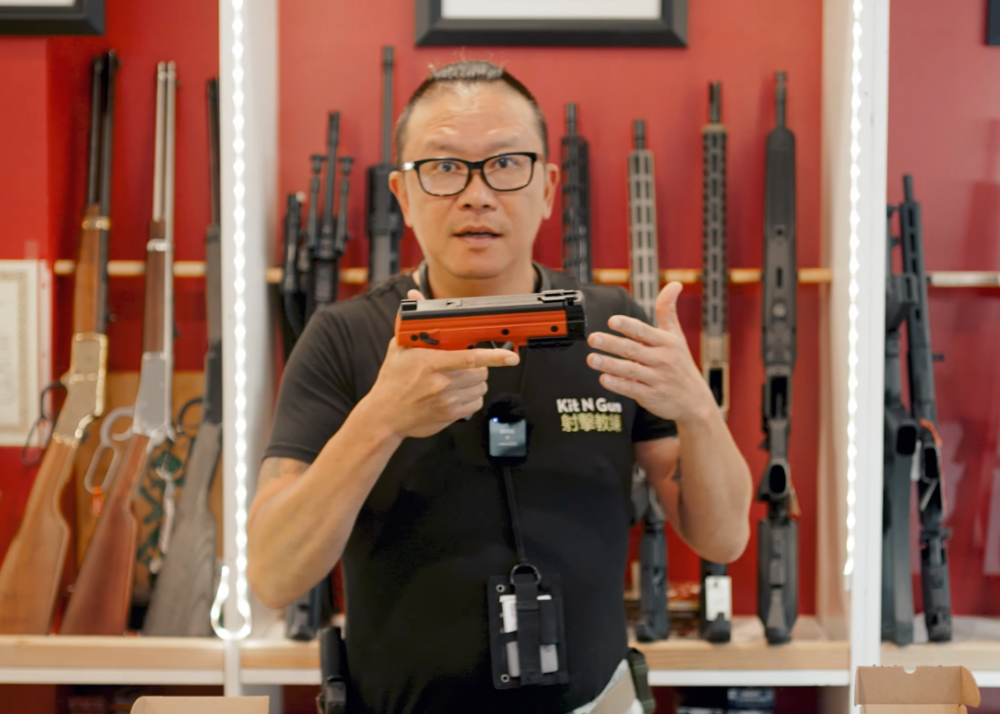
Can Airsoft Guns Be Effective for Home Defense?
When you hear “home defense,” the first thing that probably comes to mind is a handgun or a shotgun. Yet some owners wonder whether an airsoft replica could fill that role—especially if they’re looking for a low‑cost, low‑risk option. The answer isn’t a simple yes or no; it depends on the legal landscape, the specific airsoft model, and the situation you might actually face.
Legal Landscape: What the Law Says
Before you even pick up an airsoft gun, check your local statutes. In many U.S. states, airsoft replicas that fire 6 mm BBs are considered non‑lethal weapons and can be owned without a permit, but there are notable exceptions.
- California: Airsoft guns must have an orange tip unless you have a concealed weapons permit.
- New York: Certain municipalities treat airsoft replicas as firearms if they exceed 350 fps.
- International: Countries like the UK require a firearms‑style licence for any projectile weapon that exceeds 365 fps.
If you plan to keep an airsoft gun on a hallway wall or near a front door, you’ll also need to consider the “dangerous weapon” clause that can turn a harmless replica into a prosecutable item the moment it’s used in a defensive encounter.
Stopping Power—Or Lack Thereof
Airsoft projectiles travel between 300 and 400 feet per second, delivering roughly 1–2 joules of kinetic energy. Compare that to a .22 LR round, which puts out over 120 joules. The difference is stark, and it’s why most law‑enforcement agencies dismiss airsoft as a viable deterrent.
That said, airsoft can still serve a purpose beyond kinetic force.
Psychological Impact
A sudden flash of a gun—real or replica—can cause an intruder to hesitate. If the intruder believes they’re facing a lethal weapon, the shock alone might be enough to make them flee. This is why many self‑defense courses stress the importance of “show of force” before escalation.
Training Tool
Even if you never intend to use an airsoft gun in an actual confrontation, having one in the house can help you practice drawing, aiming, and maintaining situational awareness without the noise and recoil of a real firearm. Some owners pair a realistic replica with a laser sight to simulate a quick target acquisition drill.
Practical Considerations
Assuming you’ve cleared the legal hurdles and understand the limitations, here are a few practical points to weigh.
- Accessibility: Airsoft rifles and pistols are often bulkier than a compact handgun, making them harder to store discreetly.
- Reload Speed: Most airsoft magazines hold 300 BBs, but reloading a real magazine can be done in a split second—airsoft magazines can be slower to swap, especially under stress.
- Noise: Unlike a firearm’s bang, an airsoft gun produces a faint “puff,” which may not alert neighbors or scare off a determined intruder.
- Visibility: An orange tip can betray your defensive intent; many owners use a marker to cover it, but that could be illegal in some areas.
When Airsoft Might Make Sense
There are niche scenarios where an airsoft replica could be a reasonable component of a broader security plan.
- Renters: If you’re prohibited from owning a firearm, an airsoft gun may be the only projectile option you can legally keep.
- Families with Children: Some parents use airsoft guns as a “starter” self‑defense tool, teaching kids basic safety and the seriousness of pointing a weapon.
- Remote Cabins: In isolated locations where law enforcement response times are long, an airsoft gun could serve as a deterrent until help arrives.
Alternatives Worth Considering
If you’re on the fence, explore these options before committing to an airsoft replica.
- Stun Guns or Tasers: Provide a non‑lethal but genuinely incapacitating shock, and many models are legal with a simple background check.
- Pepper Spray: Compact, inexpensive, and effective at a distance of 10–15 feet.
- Home Security Systems: Motion‑activated alarms and smart cameras can scare off burglars before they even reach the front door.
- Secure Doors and Locks: Reinforced deadbolts and a solid core door are often more reliable than any weapon.
Bottom Line
Airsoft guns can contribute to a home‑defense strategy, but they’re far from a silver bullet. Legality varies widely, the stopping power is minimal, and the psychological effect hinges on the intruder’s perception. If you decide to keep an airsoft replica, treat it as a deterrent and a training aid rather than a primary line of defense. Pair it with robust locks, a solid alarm system, and—if your jurisdiction allows—something with real stopping power for the scenarios where a replica simply won’t cut it.