Can Your Kids Master These Fun English Quiz Challenges?
Whether you’re a parent looking for a quick learning break or a teacher hunting for a classroom warm‑up, a playful English quiz can turn sticking‑around‑the‑lesson into a game of “I‑know‑it‑or‑I‑don’t.” Below you’ll find a handful of question types, tips for keeping the pace lively, and ideas for sprinkling a little friendly competition into the mix.
Why Quizzes Work for Young Learners
Kids love the instant feedback a quiz offers. One moment they’re guessing an answer; the next they hear a cheer or a gentle nudge. This back‑and‑forth activates the brain’s reward system, reinforcing the vocabulary or grammar point they just tackled. Plus, a short, focused quiz respects their limited attention span—usually a few minutes tops—so the activity feels like a burst of fun rather than a marathon.
Quick Warm‑Up: “What’s the Word?”
Start with a simple visual cue. Show a picture of a dog, a smiling sun, or a bustling market. Ask, “What’s this called in English?”
- Tip: Offer three choices on a flashcard; even a guess builds confidence.
- Variation: Flip the script—name the word first, then let the kids draw a quick sketch.
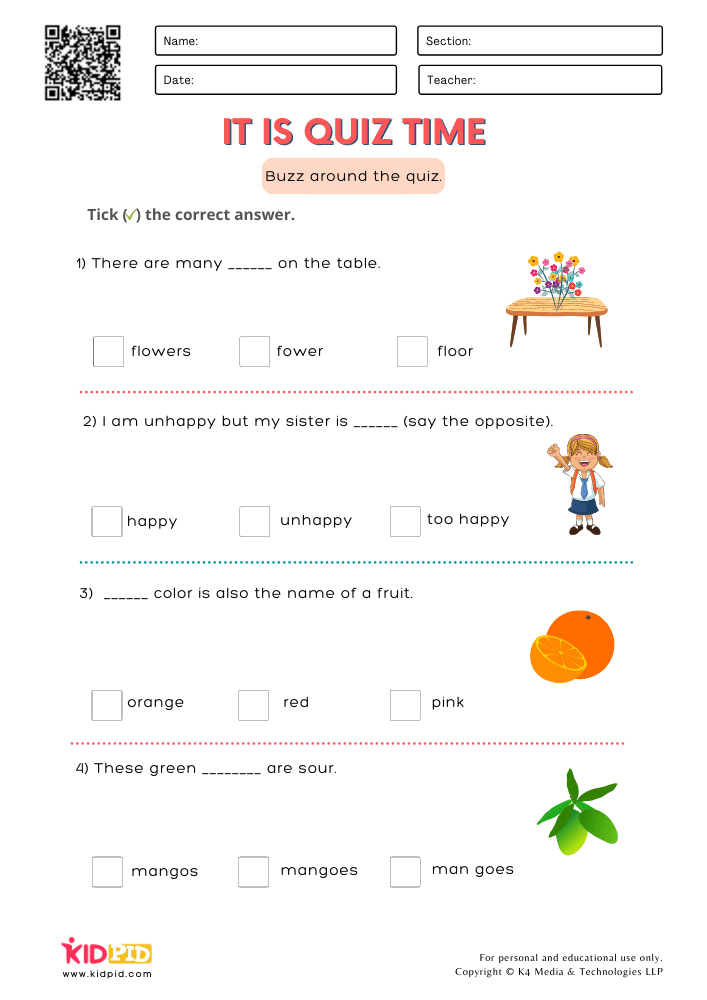
Grammar Snippet: Fill‑in‑the‑Blank Fun
Pick a familiar sentence structure, like “I am ___.” Provide a short list of verbs: running, eating, sleeping. Kids fill the gap aloud or write it down.
Why this works: It isolates the verb “to be” while letting learners experiment with action words they already know. You can crank up the difficulty by swapping “am” for “is” or “are” and watching them adjust.
Listening Leap: “Hear and Pick”
Play a 5‑second audio clip—a cat’s meow, a doorbell, a short chant. Ask, “Which sound did you hear?” Provide three written options.
- Pro tip: Use everyday sounds from your kitchen or a park recording. Children love recognizing the familiar.
- Extension: After the answer, ask them to use the word in a sentence: “The cat meowed loudly.”
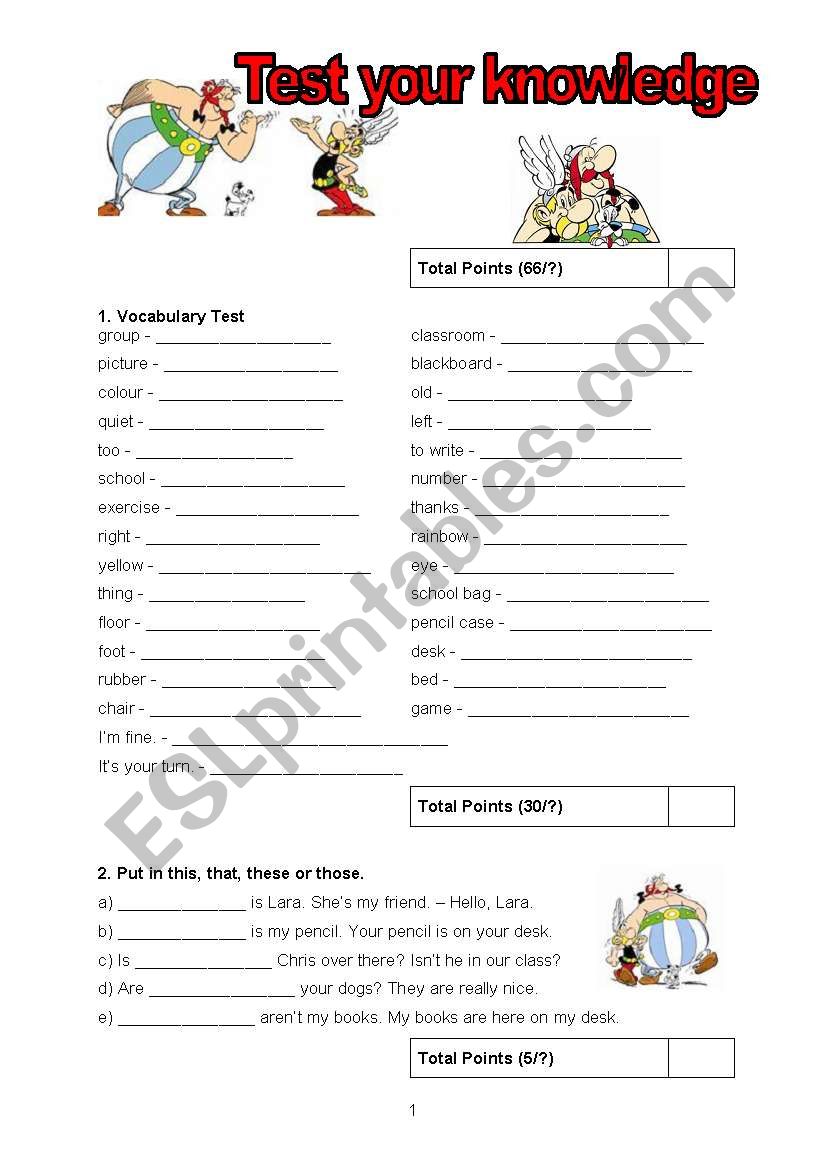
Spelling Sprint: Word Scramble
Scramble a five‑letter word like “plane” to “nalpe.” Give kids 30 seconds to rearrange the letters. This not only practices spelling but also encourages pattern recognition.
If the group is large, turn it into a relay: one child runs to the board, rewrites the correct word, then tags the next teammate. The buzz of movement keeps energy high.
Reading Relay: Short Story Quiz
Read a mini‑story—no more than three sentences—about a rabbit hopping to school. Follow up with two quick questions: “Where did the rabbit go?” and “What was the rabbit carrying?”
Because the narrative is brief, kids can recall details without feeling overwhelmed. It also subtly reinforces past‑tense verbs (“hopped,” “carried”).
Score Boards Without Pressure
Instead of a traditional scoreboard, try a “star chart.” Each correct answer earns a gold star sticker; once a child gathers five stars, they choose the next quiz theme. This shifts focus from competition to personal achievement.
For older kids who thrive on rivalry, a simple “team points” tally works—divide the class into red and blue squads, and let them earn points for each correct response. Keep the tone light; the goal is a grin, not a groan.
Adapting Quizzes for Different Ages
Preschool (3‑5): Stick to picture‑based questions and auditory clues. Keep sentences under ten words.
Early elementary (6‑8): Introduce simple grammar—plural forms, basic adjectives. Use short fill‑ins rather than full sentences.
Upper elementary (9‑11): Add adjective‑noun matching, past‑tense verb choices, and short reading comprehension.
In each tier, the key is incremental difficulty: one new element per quiz keeps learning manageable.
Tech‑Savvy Twists
If a tablet or laptop is at hand, explore free quiz apps that let you animate questions with cute characters. Many platforms let you track progress automatically, freeing you to spend more time cheering than scoring.
Just remember to test the app beforehand—nothing kills momentum like a glitch mid‑quiz.
Wrapping Up the Session
End with a quick “What was your favorite question?” round. This gives you feedback for future quizzes and lets kids reflect on what they enjoyed. A brief high‑five or a classroom chant (“We love English, yes we do!”) seals the experience with a positive note.
So next time the lesson feels a bit heavy, pull out a handful of these quiz ideas. The mixture of visuals, sounds, and movement turns a routine review into a mini‑adventure—one where every child gets a chance to shout, “I got it!” and walk away a little more confident in English.