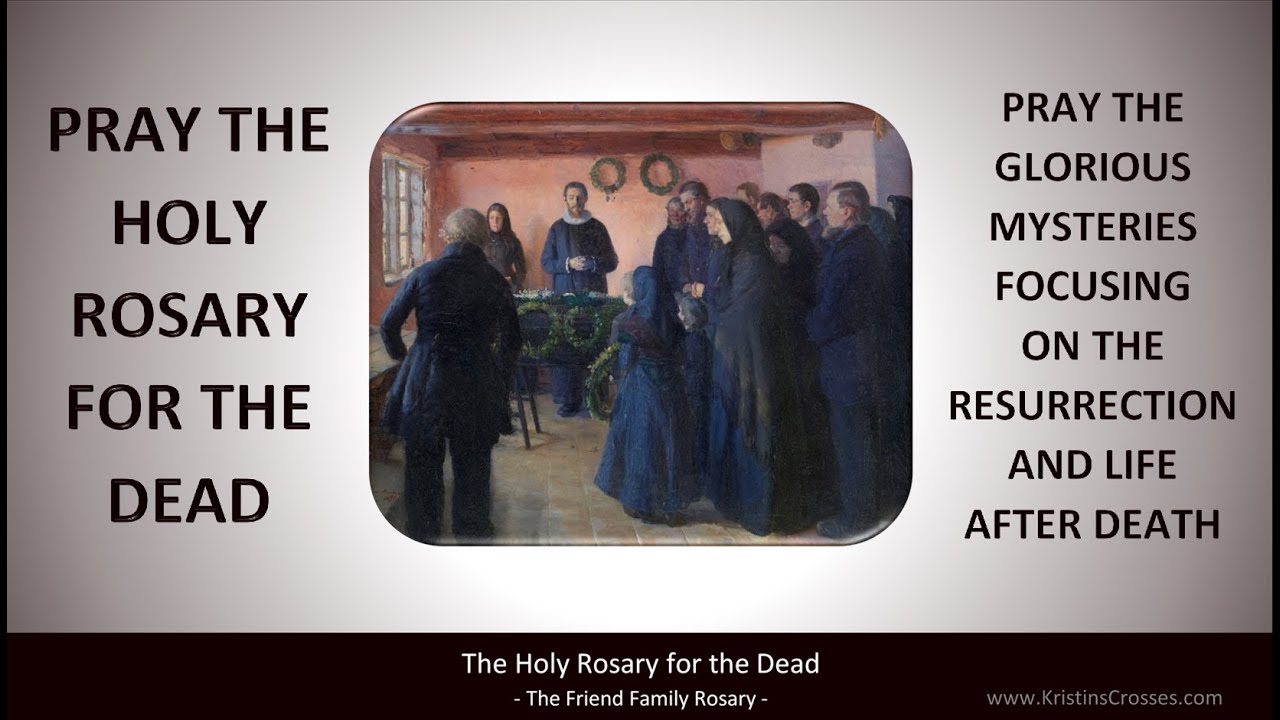
Catholic Rosary Prayer for the Dead: A Simple How‑to
When a loved one passes, many Catholics turn to the rosary, hoping the beads will carry their prayers beyond the veil. It’s not just a habit; it’s a centuries‑old tradition that blends Scripture, devotion, and a tangible rhythm that comforts the grieving heart.
Why the Rosary Holds Special Meaning for the Deceased
In Catholic teaching, prayers for the dead are rooted in the belief that souls continue to need spiritual support until they reach the fullness of Heaven. The rosary, with its repetitive “Our Father” and “Hail Mary,” creates a meditative space where the living can intercede on behalf of those who have departed.
Some even say the beads act like a bridge—each knot a connection between our world and the next. Whether you’re a longtime marcher or just picking up a set for the first time, the intention behind each decade matters more than the speed at which you move.
Preparing the Prayer: A Brief Checklist
- Find a quiet spot. Even a corner of a busy kitchen will do if the atmosphere feels respectful.
- Hold a blessed rosary. Many churches offer a simple blessing; otherwise, a heartfelt “May this rosary be for the glory of God” works.
- Choose a specific intention. Name the person you’re praying for and, if you wish, request particular graces for them.
- Set a modest time frame. Fifteen to thirty minutes is common; the length is secondary to the sincerity.
A quick, practical tip: light a candle before you start. The flame reminds us of Christ as the Light of the World, a subtle cue that our prayers are not performed in darkness.
Step‑by‑Step: Praying the Rosary for the Dead
1. The Sign of the Cross and Opening Prayers
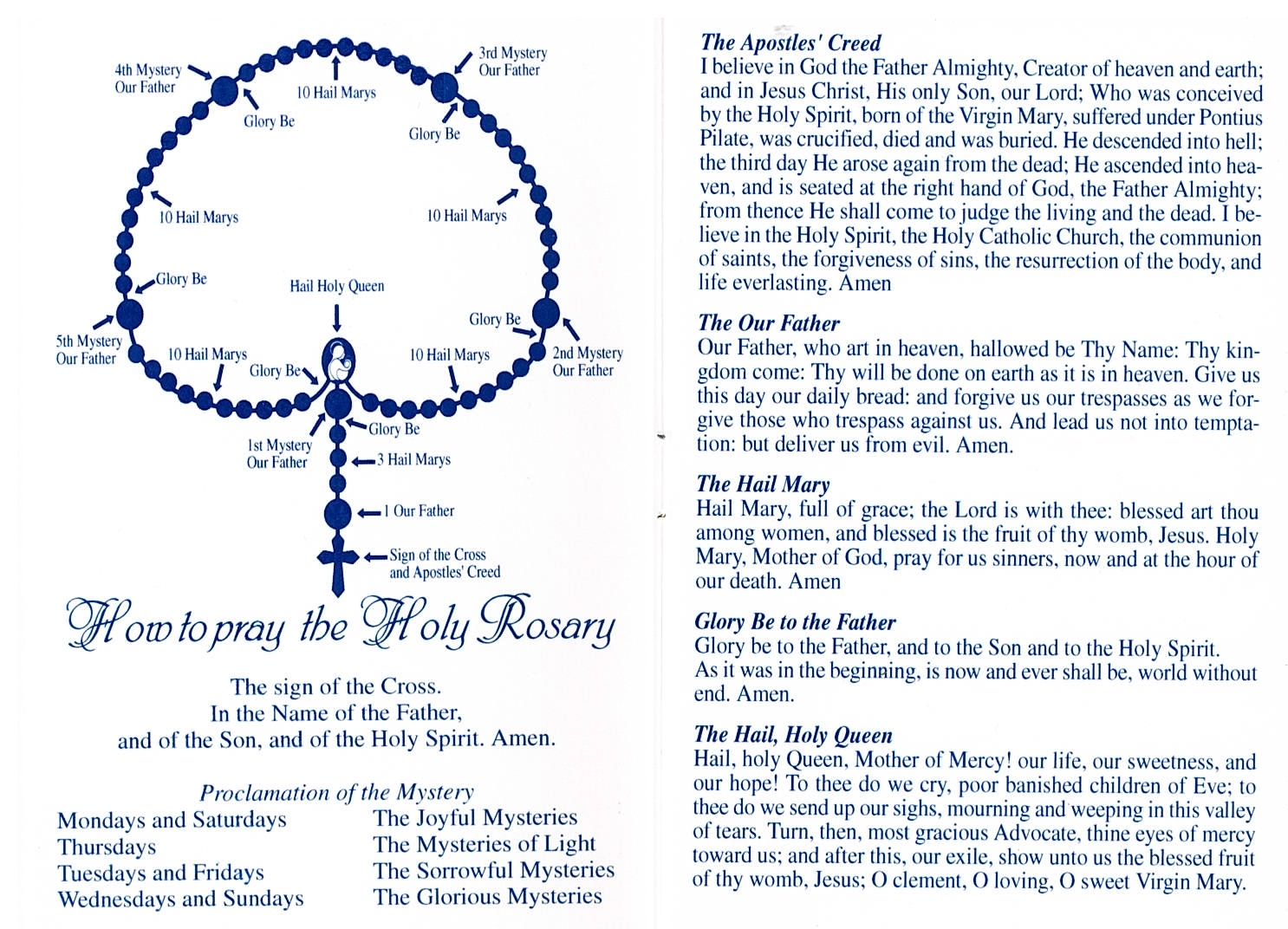
Begin with the Sign of the Cross, then say the Apostles’ Creed. This grounds the prayer in faith and prepares your spirit for what follows.
2. The Our Father and Three Hail Marys
Traditionally, after the Creed you pray one “Our Father,” three “Hail Marys,” and a “Glory Be.” The three Hail Marys reference the theological virtues—faith, hope, and charity—offering a compact reminder of the Christian life.
3. The Decades
Each decade focuses on a specific mystery. When praying for the dead, many prefer the “Sorrowful Mysteries,” reflecting on Christ’s Passion and the hope of redemption. You can also rotate through all four sets; the choice is personal.
- Announce the mystery (e.g., “The Agony in the Garden”).
- Say the “Our Father.”
- Recite ten “Hail Marys,” letting each bead be a moment of quiet intercession.
- Finish with a “Glory Be” and, if you like, the Fatima Prayer: “O Christ, hear us…”
While moving through the beads, you might whisper the name of the departed after each “Hail Mary,” letting the prayer feel intimate rather than strictly formulaic.
4. Closing Prayers
When the last decade ends, many conclude with the “Hail Holy Queen” and a special intention: “May the souls of the faithful departed, through the mercy of God, rest in peace.” A simple, heartfelt “Amen” seals the offering.
Customs and Variations Across Cultures
In some countries, the rosary for the dead incorporates the “St. Michael Prayer” to ask the archangel’s protection. Others add a brief period of silence after each decade, allowing the mind to settle into prayerful listening.
Even the order of the mysteries can shift. In Hispanic traditions, the “Luminous Mysteries” are sometimes favored for their emphasis on Christ’s public ministry—a subtle reminder of the resurrected life awaiting all believers.
Practical Tips for Sustaining the Practice
- Set a regular schedule. A weekly rosary can become a comforting rhythm, especially on anniversaries.
- Invite family members. Sharing the prayer can turn a solitary act into a communal remembrance.
- Keep a prayer journal. Jot down thoughts or promises you feel inspired to make; this adds depth to the ritual.
- Don’t rush. If you find yourself counting the beads too quickly, pause. The power lies in contemplation, not speed.
Remember, the rosary is a tool, not a magic formula. Its true efficacy comes from the love and hope you infuse into each prayer.
Final Thoughts: The Quiet Power of Intercession
Whether you’re holding a worn wooden rosary passed down through generations or a brand‑new set of beads, the act of praying for the dead connects you to an ancient tapestry of faith. In the soft murmur of each “Hail Mary,” you’re weaving a thread of mercy that, according to Catholic belief, can reach the very soul you cherish.