Choosing Between a Husky Puppy and a Malamute: Which Fluffy Companion Fits Your Life?
Both the Siberian Husky and the Alaskan Malamute turn heads with their striking coats, bright eyes, and wolf‑like silhouettes. Yet beneath the shared arctic heritage lie distinct personalities and practical demands that can make one a perfect match and the other a daily challenge. If you’re standing in a pet store, puppy‑eyes locked onto yours, this guide will help you decide which of these beautiful bundles truly belongs in your home.
First Impressions: Looks and Size
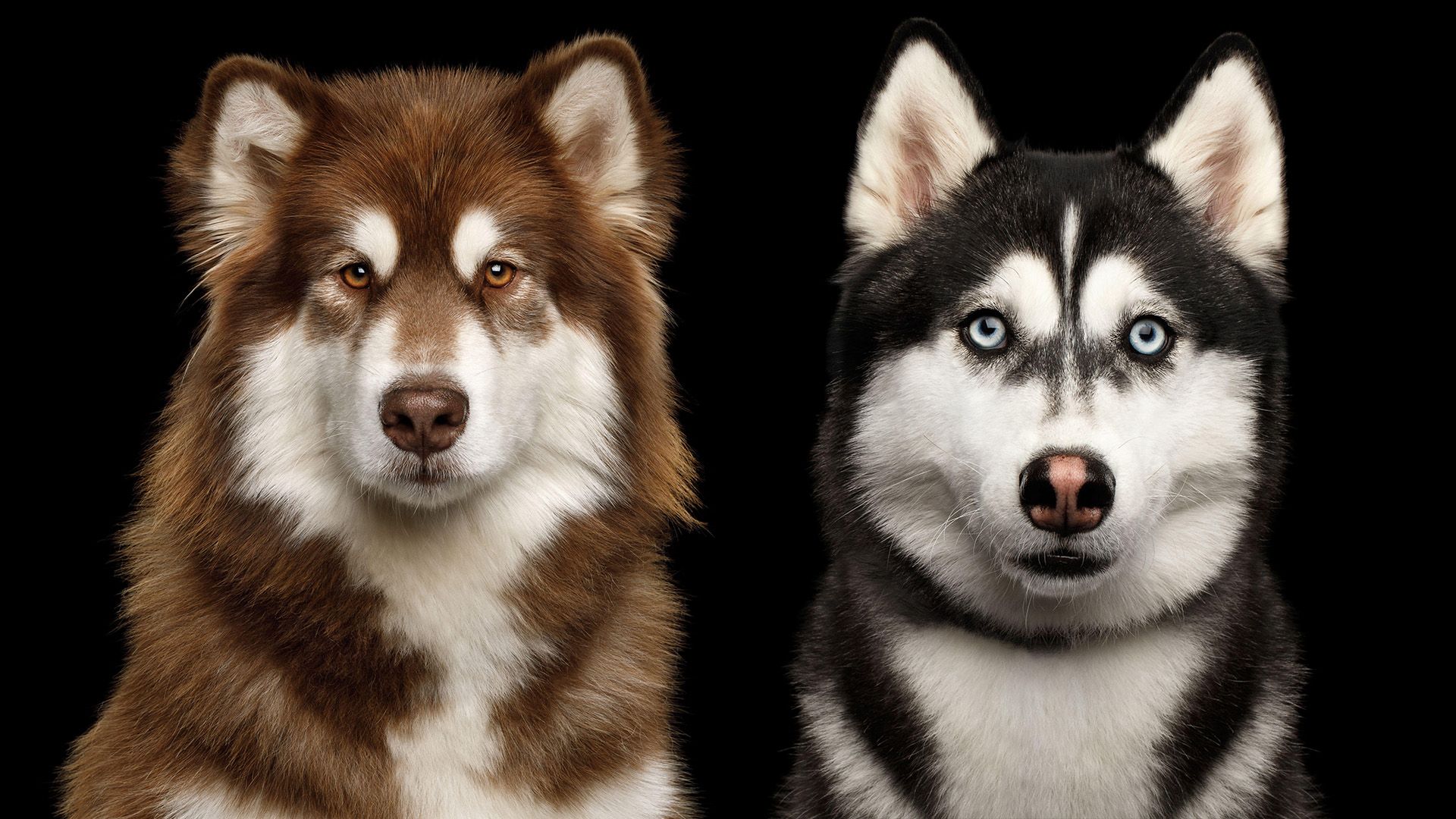
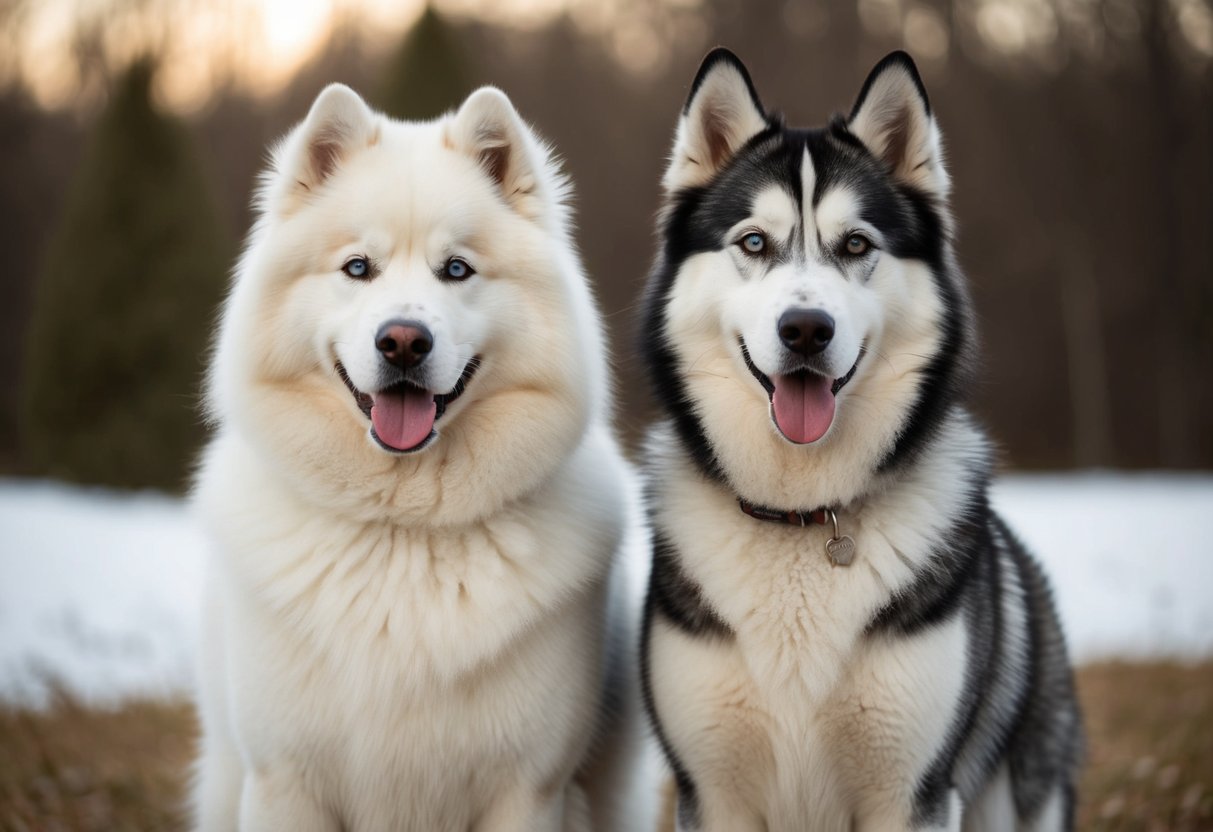
A Husky puppy typically weighs 15‑20 pounds at six months, while a Malamute puppy can already tip the scales at 25‑30 pounds. By adulthood, the difference is clearer: Huskies settle around 35‑60 pounds, Malamutes grow into 75‑85‑pound powerhouses. Both sport thick double coats, but the Malamute’s fur tends to be denser and longer, especially around the neck and chest.
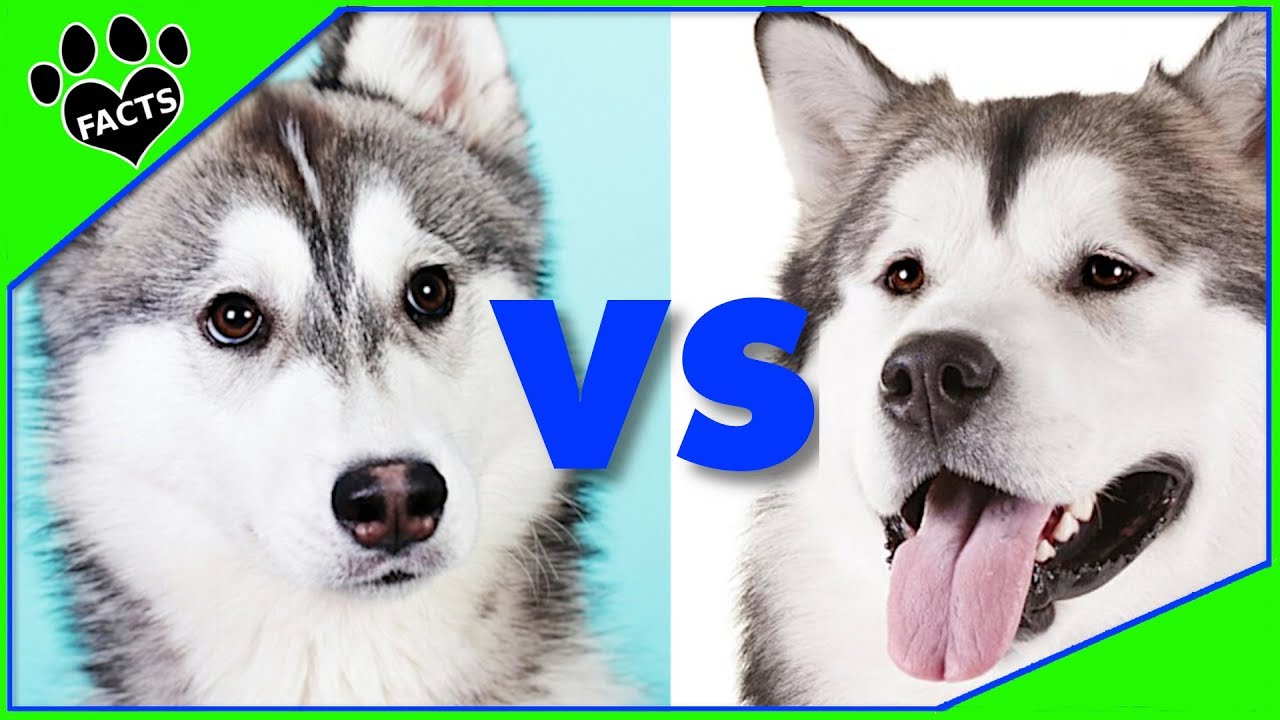
Visually, Huskies are the classic “sleigh‑dog” with a sleek, athletic build and a mask‑like facial pattern. Malamutes carry a more robust, bear‑like profile, with a broad head and a pronounced “ruff” that gives the impression of built‑in winter armor. If size and silhouette matter for your living space or aesthetic, this is the first checkpoint.
Personality and Temperament
Huskies are famously independent and often described as “people‑pleasers with a mind of their own.” They love companionship, will greet strangers with a wagging tail, and generally get along with other dogs. Their social nature makes them great family pets, provided they receive plenty of interaction.
Malamutes, on the other hand, carry a deeper pack‑leader instinct. Historically bred for pulling heavy loads, they are loyal, protective, and sometimes more reserved around unfamiliar people. While still friendly, a Malamute may be slower to warm up and can exhibit a gentle, almost solemn demeanor.
Energy and Exercise Needs
- Husky: Requires at least 1‑2 hours of vigorous activity daily—think running, bike‑pulling, or off‑leash play in a secure area.
- Malamute: Needs comparable endurance but thrives on purposeful work, such as sled‑training or weighted backpack hikes.
- Both breeds will become destructive if left bored; a bored Husky may dig, a bored Malamute might chew furniture.
If your schedule includes early morning jogs or weekend wilderness trips, either breed can keep pace. However, a Malamute often appreciates a clear “job” to focus its energy, whereas a Husky is content with pure play.
Training and Intelligence
- Learning style: Huskies pick up commands quickly but love to test limits; consistency and patience are key.
- Malamute mindset: Highly intelligent, but can be stubborn when a task feels irrelevant; positive reinforcement works best.
- Both benefit from early socialization—exposure to various people, sounds, and environments reduces later anxiety.
Expect a learning curve with either pup. A Husky may excel at agility and tricks, while a Malamute shines in obedience when the training feels purposeful.
Grooming and Shedding
- Both breeds shed heavily twice a year during “coat‑blow” seasons.
- Huskies have a medium‑length coat that requires weekly brushing to keep mats at bay.
- Malamutes sport a denser undercoat; brushing 2‑3 times a week helps prevent hot spots and reduces the amount of fur left on furniture.
- Neither breed is hypoallergenic, and regular ear cleaning is essential to prevent infections.
If you dread daily grooming, be prepared for a seasonal surge of fur regardless of which breed you choose.
Space and Living Situation
A Husky can adapt to apartment life if you commit to ample daily exercise and mental stimulation, but a Malamute generally needs a larger yard or frequent access to open spaces. Both breeds dislike being confined for long periods; crate training should be used for short rests, not as a permanent living solution.
Health Considerations
- Common issues for Huskies: Hip dysplasia, eye disorders (including cataracts), and a predisposition to autoimmune diseases.
- Common issues for Malamutes: Hip dysplasia, inherited cataracts, and a higher risk of hereditary polyneuropathy.
- Both breeds thrive on a balanced diet rich in protein; excessive weight gain can exacerbate joint problems.
Regular veterinary check‑ups, a joint‑support supplement regimen, and maintaining a healthy weight can mitigate many of these concerns.
Cost and Long‑Term Commitment
Initial costs for a pure‑bred puppy range from $1,200 to $2,500, with Malamutes often sitting at the higher end due to their size. Expect annual expenses of $1,200‑$1,800 covering food, grooming, routine veterinary care, and occasional training classes. A Malamute’s larger appetite and potential for specialized equipment (e.g., sled gear) can push the budget a bit higher.
Quick Decision Guide
- If you crave a social, talkative dog that loves to run beside you on a bike—go with a Husky.
- If you prefer a strong, steady companion who enjoys a “job” like pulling or hiking—lean toward a Malamute.
- Limited space or a busy urban schedule? A Husky may adapt better, provided you can meet its exercise quota.
- Looking for a guardian‑type presence and are ready to invest in extra training time? The Malamute fits that niche.
Both puppies will fill your home with boundless energy and unforgettable moments; the real question is which set of needs you’re most eager to meet. Whichever you choose, a lifetime of adventure and loyal companionship awaits.