Choosing the Right Battery for a 2018 Nissan Sentra S
When the “click‑click” of a starter motor refuses to sound, the first thing most owners check is the battery. For a 2018 Nissan Sentra S, picking the correct size isn’t just about fitting a physical block into the engine bay—it’s about matching the car’s electrical demands, climate, and driving habits. Below is a practical guide that walks you through the key specs, the why‑behind the numbers, and a handful of interchangeable options you might already have lying around.
Battery Size Basics: Group, Dimensions, and Polarity
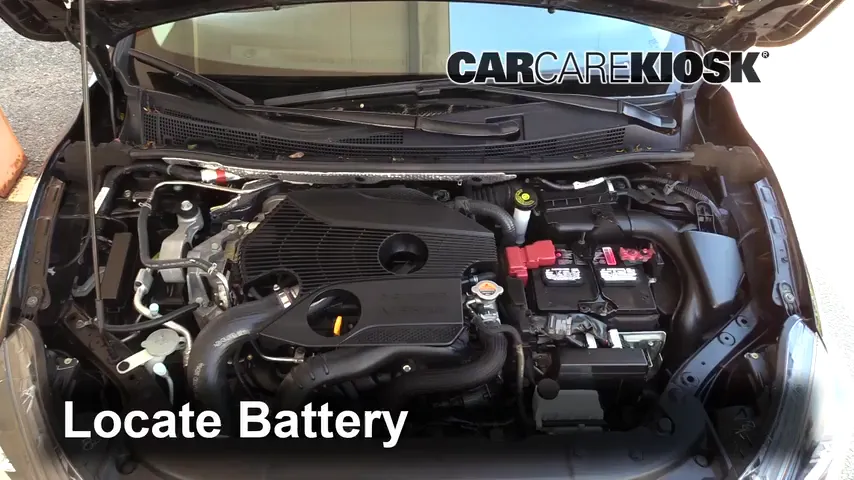
The automotive world groups batteries by a “Group” number that standardizes size, terminal layout, and mounting points. The 2018 Sentra S belongs to Group 35, sometimes listed as 35R. That translates to roughly 9.0 inches long, 6.9 inches wide, and 7.5 inches tall. The positive terminal sits on the left when you face the battery, a detail that can save you a painful mix‑up during installation.
Why does group matter? A battery that’s too long might jam against the fender, while a shorter one could leave the hold‑down bolt hanging in mid‑air, leading to vibration and premature failure. Stick to Group 35 for a seamless fit.
Cold Cranking Amps (CCA) – The Power‑Start Metric
Cold Cranking Amps measure a battery’s ability to start an engine at 0 °F (‑18 °C). The Sentra’s 1.8‑liter four‑cylinder isn’t a high‑performance monster, but it still needs a solid CCA rating to turn over reliably in winter. Nissan recommends at least 350 CCA. Most reputable Group 35 batteries hover between 350 and 550 CCA, so you have some flexibility.
If you live in a milder climate, a 350‑CCA unit will likely suffice. In colder regions, opting for a 500‑CCA model adds a safety margin without any downsides beyond a modest price increase.
Reserve Capacity (RC) – How Long the Battery Can Hold Up
Reserve Capacity describes how many minutes a battery can sustain a 25‑amp load before dropping below 10.5 volts. For a Sentra, a minimum of 90 minutes is advisable. This figure matters when you’re idling with lights, radio, or air‑conditioning on for an extended period—think tailgates or long stops at traffic lights.
Higher RC numbers (110‑120 minutes) aren’t required, but they can be a nice insurance policy if you frequently run accessories while the engine is off.
Choosing the Right Chemistry: Lead‑Acid vs. AGM
Most OEM batteries for the Sentra are traditional flooded lead‑acid types. They’re affordable, reliable, and easy to maintain. However, Absorbed Glass Mat (AGM) batteries have been gaining traction. AGM units are sealed, spill‑proof, and can handle deeper discharge cycles—useful if you’ve added a high‑draw accessory like a dash cam or aftermarket stereo.
Keep in mind that AGMs tend to be pricier and may require a charger that supports their specific charging profile. If you stick with the stock alternator and don’t push the electrical system beyond factory limits, a conventional lead‑acid battery remains the sensible choice.
Top Recommended Replacements
- DieHard Gold AGM – 600 CCA, 130 RC, Group 35. Ideal for cold climates and heavy accessory use.
- ACDelco Gold – 550 CCA, 115 RC, Group 35. A solid all‑around performer with a reputation for longevity.
- Optima RedTop – 570 CCA, 100 RC, Group 35. Known for high cranking power and vibration resistance.
- EverStart Maxx – 350 CCA, 90 RC, Group 35. Budget‑friendly, meets all Nissan specs for most drivers.
All the options above share the same physical dimensions and terminal layout, so any will bolt in without modification.
Installation Tips to Avoid Common Pitfalls
Even a perfect battery will fail if installed incorrectly. Follow these quick steps:
- Turn off the ignition and remove the key—no surprises.
- Disconnect the negative (black) terminal first, then the positive (red). This order prevents accidental short circuits.
- Inspect the battery tray for corrosion; a light brush with a baking‑soda solution can restore a clean surface.
- Secure the hold‑down clamp snugly. A loose battery vibrates, shortens life, and can damage the case.
- Reconnect the positive terminal before the negative. Double‑check that the clamps sit firmly on the posts.
After the new battery is in place, start the car and let it idle for a minute. Watch the voltage on the dash or a multimeter; it should read around 13.5‑14.5 volts, indicating the alternator is charging correctly.
When to Replace – Signs the Battery Is Near Its End
Battery life expectancy for a Sentra typically spans 3‑5 years, but several tell‑tale signs can prompt an earlier swap:
- Slow crank—engine turns over sluggishly, especially in the morning.
- Dimming headlights when you’re idling.
- Electrical accessories (radio, power windows) feeling weak.
- Corroded or swollen battery case.
If you notice one or two of these symptoms, have the battery load‑tested at a shop. It’s often cheaper to replace than to risk a dead‑battery roadside episode.
Final Thoughts on Getting the Best Fit
Finding the right battery for a 2018 Nissan Sentra S boils down to three core variables: Group 35 size, at least 350 CCA, and a reserve capacity of 90 minutes or more. From there, decide whether you need the extra resilience of an AGM or are comfortable with a standard lead‑acid model. Pair your choice with a clean installation, and you’ll enjoy reliable starts for years to come.