Choosing the Right GPU: Quadro T1000 or RTX 3050?
When it comes to selecting a graphics processing unit (GPU) for your computer, the options can be overwhelming. Two popular choices among professionals and gamers alike are the Quadro T1000 and the RTX 3050. While both offer impressive performance, they cater to different needs and use cases. In this article, we'll delve into the key differences between these two GPUs to help you decide which one is best for your specific requirements.
The Quadro T1000 is a professional-grade GPU designed for applications that require high levels of precision and reliability, such as video editing, 3D modeling, and scientific simulations. It features 768 CUDA cores, 4GB of GDDR6 memory, and a memory bandwidth of 128 GB/s. On the other hand, the RTX 3050 is a consumer-grade GPU targeted at gamers and content creators, boasting 2560 CUDA cores, 8GB of GDDR6 memory, and a memory bandwidth of 224 GB/s.
Performance Comparison
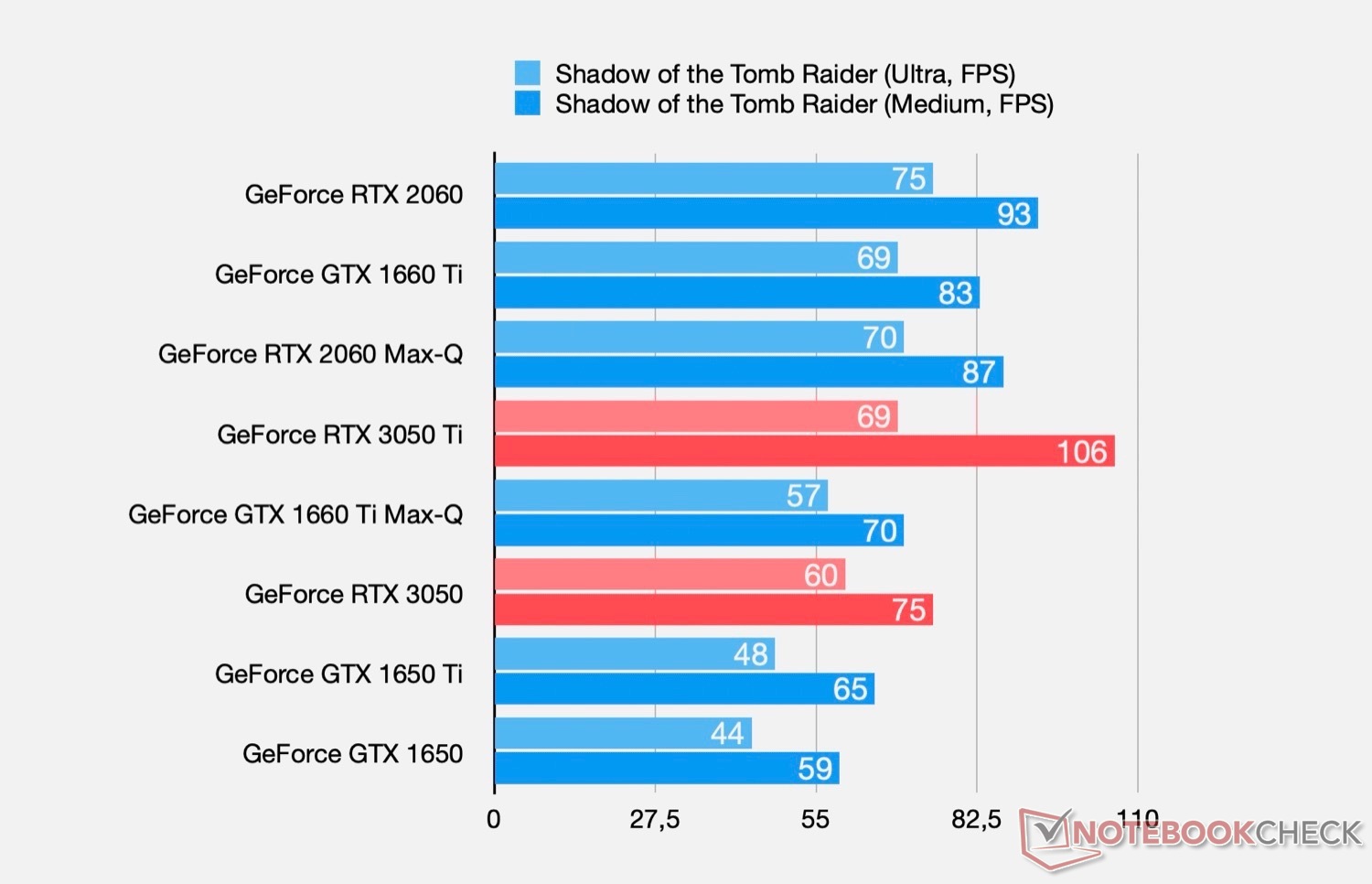
In terms of raw performance, the RTX 3050 outshines the Quadro T1000 in most benchmarks. The RTX 3050's higher CUDA core count and increased memory bandwidth make it better suited for demanding tasks like 4K gaming and graphics-intensive applications. However, the Quadro T1000's professional-grade drivers and optimized software stack give it an edge in specific workloads like video editing and 3D modeling.
Here are some key specifications to consider:
- CUDA cores: Quadro T1000 (768) vs RTX 3050 (2560)
- Memory: Quadro T1000 (4GB GDDR6) vs RTX 3050 (8GB GDDR6)
- Memory bandwidth: Quadro T1000 (128 GB/s) vs RTX 3050 (224 GB/s)
Power Consumption and Cooling
Power consumption is another critical factor to consider when choosing between the Quadro T1000 and RTX 3050. The Quadro T1000 has a TDP of 50W, making it a more power-efficient option, while the RTX 3050 has a TDP of 130W, requiring more substantial cooling solutions. If you're planning to use your GPU for extended periods, the Quadro T1000's lower power consumption may be a significant advantage.
Cooling solutions also play a crucial role in maintaining optimal performance. The Quadro T1000's lower heat output makes it easier to cool, while the RTX 3050's higher heat output requires more advanced cooling systems. Be sure to consider the cooling capabilities of your system when selecting a GPU.
Software Support and Compatibility
Software support and compatibility are essential considerations for professionals and gamers alike. The Quadro T1000 is optimized for professional applications like Adobe Creative Cloud, Autodesk, and SolidWorks, offering certified drivers and dedicated support. In contrast, the RTX 3050 is geared towards gaming and content creation, with support for popular titles and software like GeForce Experience and NVIDIA Studio.
When choosing between the Quadro T1000 and RTX 3050, consider the specific software you'll be using and ensure the GPU is compatible and optimized for your workflow.
Conclusion
In conclusion, the Quadro T1000 and RTX 3050 cater to different needs and use cases. If you're a professional requiring high precision and reliability for applications like video editing, 3D modeling, or scientific simulations, the Quadro T1000 is an excellent choice. However, if you're a gamer or content creator looking for a balance between performance and affordability, the RTX 3050 is a more suitable option. Ultimately, the decision comes down to your specific requirements and the type of work you'll be doing with your GPU.