CID F40.1 Explained: Decoding Social Phobia
If you’ve ever felt your heart race before a presentation or felt like everyone is judging your every move at a party, you’re not alone. It is a deeply human experience. But when that anxiety crosses the line from normal nervousness into something that paralyzes your daily life, we start talking about clinical conditions. One of the most common yet misunderstood of these is coded as CID F40.1. For many, seeing that code on a medical document can feel like a foreign language. What does it actually mean? Does it just mean you are shy? Or is it something more profound?
The short answer is that CID F40.1 refers to Social Phobia, now more commonly known in clinical circles as Social Anxiety Disorder. It is not simply a character flaw or extreme introversion. It is a recognized mental health condition that affects how people navigate the social world. Understanding what lies behind this code is the first step toward managing it effectively.
Breaking Down the Classification Code
Medical classification systems can seem dry and bureaucratic, but they serve an important purpose: standardization. The code F40.1 comes from the International Classification of Diseases, specifically the ICD-10 system, which is widely used by healthcare providers globally to diagnose and treat mental and behavioral disorders. Let’s break it down piece by piece.
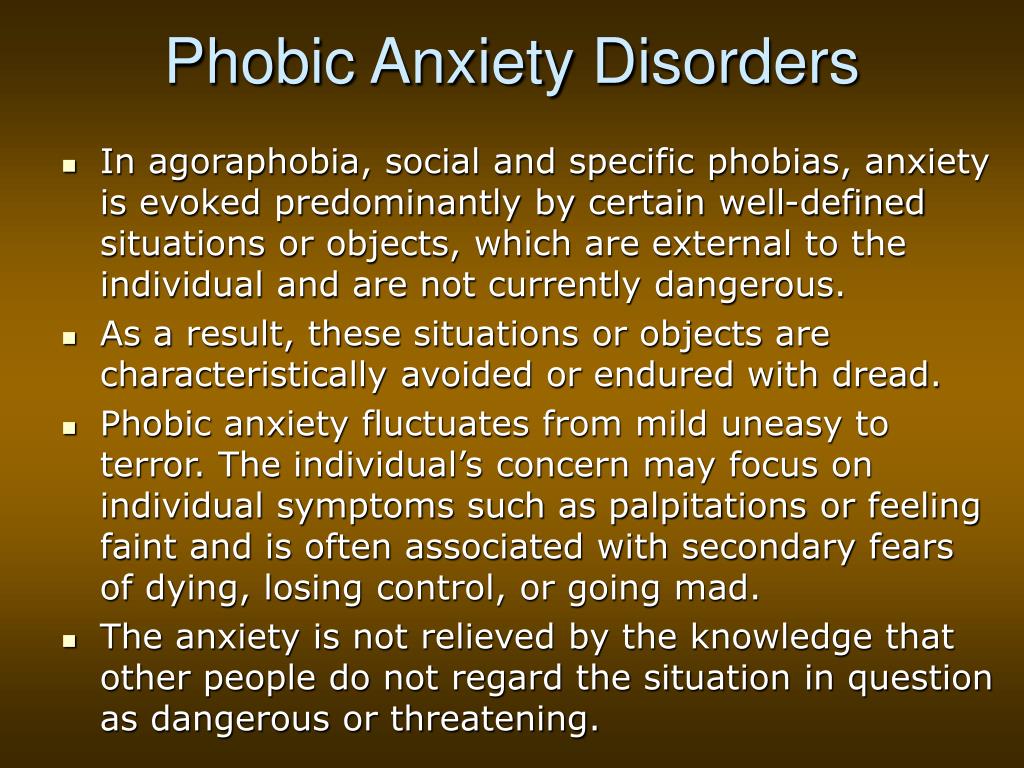
The letter F indicates that the condition falls under the chapter for mental and behavioral disorders. This separates it from physical ailments or general injuries. Then we move to the category, which in this case is F40. This specific block is dedicated to phobic anxiety disorders. These are intense, persistent fears of specific objects or situations that pose little to no actual danger. Finally, the .1 pinpoints the specific diagnosis within that family: Social Phobia.
It is worth noting that while many modern clinicians prefer using the DSM-5 (Diagnostic and Statistical Manual of Mental Disorders) which uses different coding for insurance purposes in some regions, the ICD-10 remains the global standard for general health statistics and many healthcare systems. So, if you see F40.1, you are looking at the international medical shorthand for Social Phobia.
Social Phobia vs. Social Anxiety: Is There a Difference?
You might have heard the terms "social phobia" and "social anxiety" used interchangeably. In casual conversation, they are often twins. However, in clinical terms, "social phobia" is the specific diagnostic label in the ICD-10, while "social anxiety disorder" is the preferred terminology in the DSM-5 used in the United States and increasingly worldwide.
Why the shift in language? The term "phobia" traditionally suggests a fear of a specific object, like spiders or heights. For many people with social difficulties, the fear isn't just of one thing; it is of performance situations, social interactions, or being scrutinized. "Social anxiety disorder" captures the broader, more pervasive nature of the condition. It acknowledges that the anxiety isn't always a sudden, sharp terror (a phobic reaction) but can be a low-grade, constant worry about social evaluation.
Despite the naming differences, the core experience remains the same: an intense fear of embarrassment, humiliation, or judgment in social or performance situations.
What Does Living With CID F40.1 Look Like?
People with social phobia often suffer in silence. Because the disorder is about social interaction, it makes seeking help incredibly difficult. The fear is often rooted in a belief that others will notice their anxiety, judge them negatively, or view them as weak, foolish, or inferior.
The symptoms can be both psychological and physical. Psychologically, this might look like persistent worry days before a social event, negative self-talk, and a constant fear of making a mistake. Physically, the body reacts as if it is in danger. This can include:
- Rapid heartbeat or palpitations
- Sweating, trembling, or shaking
- Blushing, which itself becomes a source of further anxiety
- Nausea or stomach upset
- Difficulty speaking or a "freezing" sensation
These reactions create a vicious cycle. A person feels anxious around others. This anxiety triggers physical symptoms like blushing. The person fears others are noticing the blushing, so they feel even more anxious. Eventually, they may start avoiding social situations altogether to escape the discomfort. This avoidance provides temporary relief but reinforces the fear in the long run.
Common Triggers and Situations
Social phobia doesn’t affect everyone in the same way. Some people fear all social interactions, while others are only terrified of performance situations. Here are some common scenarios linked to CID F40.1:
Performance Situations: Public speaking, giving a presentation at work, or playing music in front of others. The spotlight is the enemy here.
Social Interactions: Having conversations with strangers, attending parties, or starting new relationships. The fear of saying the wrong thing is overwhelming.
Being Observed: Eating in public, writing at a desk while others watch, or using a public restroom. The feeling of being scrutinized is intense.
It is crucial to distinguish this from general shyness. Shyness is a personality trait. Social phobia is a disorder because it causes significant distress and interferes with daily functioning, such as going to school, holding a job, or maintaining relationships.
Treatment and Pathways to Recovery
Perhaps the most important thing to know about CID F40.1 is that it is highly treatable. It is not a life sentence. You do not have to live with this level of fear.
The gold standard for treatment is usually Cognitive Behavioral Therapy (CBT). CBT helps individuals identify and challenge the negative thought patterns that fuel their anxiety. It often includes exposure therapy, where patients gradually face their feared social situations in a controlled, safe environment. This helps rewire the brain’s response to social cues.
In some cases, medication may be prescribed alongside therapy. Selective Serotonin Reuptake Inhibitors (SSRIs) are commonly used to help manage the underlying anxiety levels, making it easier for patients to engage in therapy. Beta-blockers might be used for specific performance situations to control physical symptoms like shaking or rapid heartbeat.
Recovery is rarely a straight line. There may be setbacks. But with professional support, many people with social phobia learn to manage their anxiety, expand their socialComfort zones, and live fuller, more connected lives. Understanding the code F40.1 is just the beginning of that journey.
Frequently Asked Questions
Is Social Phobia (F40.1) the same as Introversion?
No. Introversion is a personality trait where people recharge by spending time alone. Introverts can enjoy social interaction but need downtime afterward. Social phobia is a clinical disorder characterized by intense fear and avoidance of social situations due to worry about judgment or embarrassment. An introvert may choose to stay at home; a person with social phobia may feel trapped if forced to go out.
Can Social Phobia start in adulthood?
While it often begins in adolescence, it can develop at any age. Sometimes a specific traumatic social event, such as public humiliation or a severe panic attack in public, can trigger the onset of social phobia in an adult who previously had no issues.
Does CID F40.1 affect physical health?
Yes. Chronic anxiety can lead to physical problems such as high blood pressure, sleep disturbances, digestive issues, and a weakened immune system due to prolonged stress.
How long does treatment typically take?
There is no one-size-fits-all timeline. With Cognitive Behavioral Therapy, many people see improvement within 12 to 20 sessions. However, maintaining skills and preventing relapse requires ongoing practice. Medication effects can be seen within a few weeks, but therapy addresses the root causes.
.webp)