Citizen Journalism & Mainstream Media: A Symbiotic Relationship
We used to think of news as a one-way street. A reporter would go out, dig up a story, and deliver it to us the next morning. That model felt sturdy, almost institutional. But somewhere around the early 2010s, the dynamic shifted. Suddenly, everyone had a camera in their pocket and a platform to broadcast from. The rise of citizen journalism didn’t just add noise to the signal; it fundamentally rewired how information travels. Today, the relationship between professional news organizations and everyday citizens is not adversarial. It’s symbiotic.
The Death of the Gatekeeper
For decades, mainstream media acted as the ultimate gatekeeper. If you weren’t covered by a major newspaper or network, it simply didn’t exist in the public consciousness. This exclusivity created trust, but it also created blind spots. Professionals were limited by resources. They couldn’t be everywhere at once. Enter the smartphone.
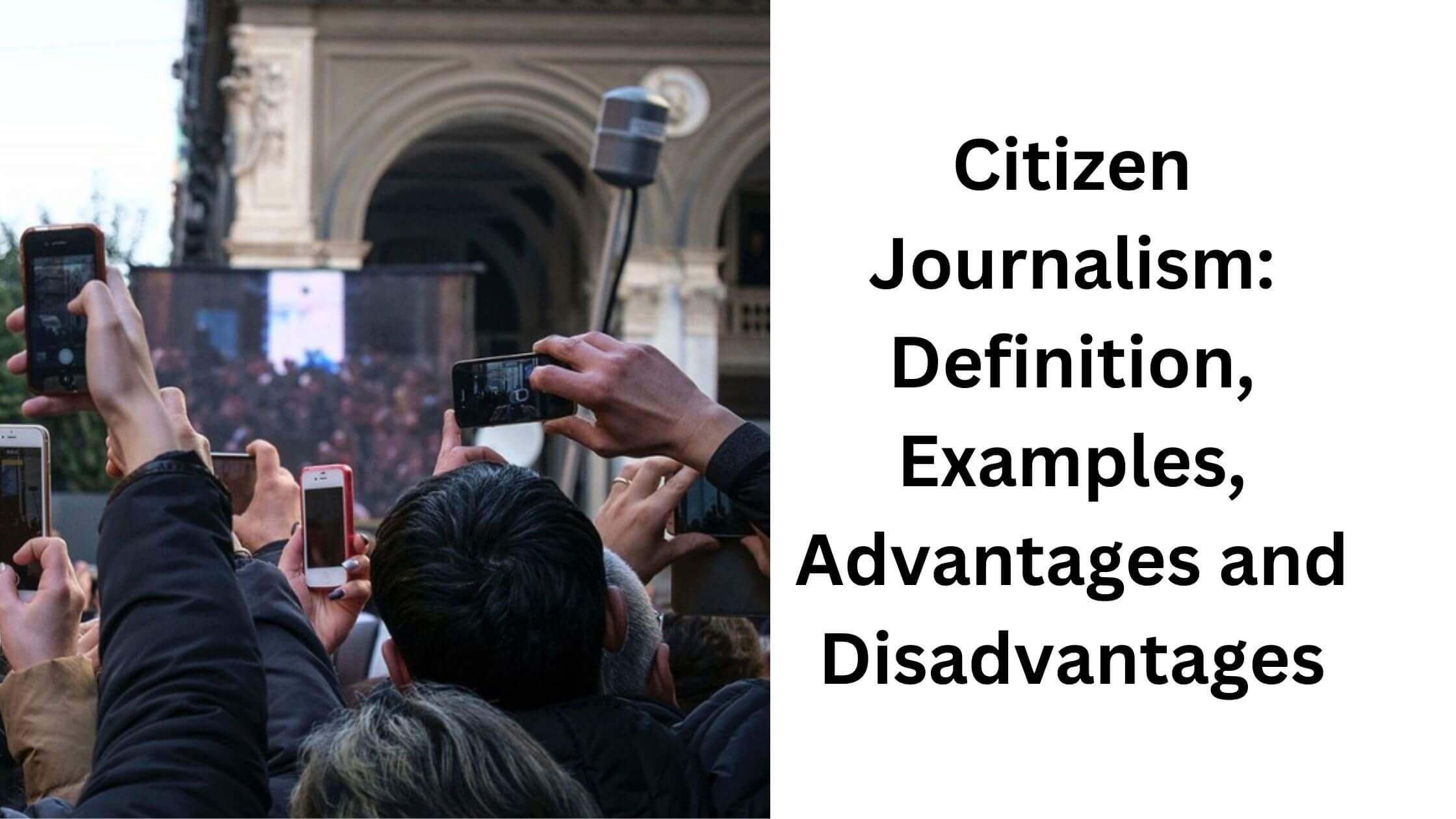
Citizen journalism fills those spatial gaps. When a protest erupts, a disaster strikes, or police misconduct occurs, the first eyes on the scene are rarely journalists. They are bystanders. These individuals capture raw, unfiltered footage that often tells a story more compelling than any polished package. This isn’t about replacing professionals. It’s about expanding the net. The sheer volume of user-generated content forces mainstream media to adapt. They can no longer rely solely on their own wires. They have to listen to the pulse of the crowd.
Verification: The Professional Edge
Here is where the balance tips. While citizen journalists provide the spark, mainstream media provide the fuel structure. A shaky video on TikTok might be viral, but it’s also easy to fabricate or decontextualize. Without verification, information is just rumor. This is where established newsrooms earn their keep.
Professional journalists spend their careers learning how to verify sources, cross-reference data, and understand legal boundaries. When a viral clip surfaces, news organizations triangulate. They check the metadata, interview witnesses, and consult experts. They provide the context that raw footage lacks. For example, a video of a chaotic street scene might look like random violence. A journalist might identify it as a specific protest, date it, and explain the political backdrop that triggered it. The citizen provides the evidence; the professional provides the explanation.
Speed vs. Depth
There is a clear division of labor here. Citizen journalism wins on speed. In a crisis, minutes matter. Eyewitnesses post updates in real-time, offering a live feed of events unfolding. This immediacy is invaluable for situational awareness. However, speed often comes at the cost of depth. Citizen reporters are rarely experts in data analysis, investigative law, or international policy.
Mainstream media excels at depth. They have the resources to run background checks, subpoena documents, and maintain long-term investigations. Think of the Panama Papers or the Snowden leaks. These were massive data dumps that required months of analysis by thousands of professional journalists worldwide. A lone blogger couldn’t tackle that. The symbiosis works because the citizen breaks the story, and the professional investigates it. The former grabs attention; the latter sustains it with substance.
Challenges in the Collaboration
It’s not always a smooth partnership. Tensions exist. Mainstream outlets often struggle with how to credit citizen journalists properly. Sometimes, they use footage without clear attribution, which feels exploitative. Other times, they dismiss user-generated content as unreliable, missing out on crucial leads. There’s also the issue of emotional bias. A citizen filming something is often emotionally invested. Their perspective is inherent. Professionals must navigate this bias without dismissing the human element.
Furthermore, the algorithmic nature of social media means that the most sensational footage often gets the most traction, not necessarily the most accurate. Newsrooms have to fight through this noise to find the signal. It’s a messy process. But it’s a necessary one. The alternative—ignoring citizen journalism—is a return to an outdated model that fails to reflect reality.
The Future of Trust
As we move forward, the line between reporter and audience will likely blur even further. We’re seeing more newsrooms actively collaborate with citizen contributors, offering training and legal guidance. This isn’t just about getting free content. It’s about building a broader network of trust. When communities feel their voices are heard and verified by credible sources, engagement goes up.
The best news coverage today often looks like a hybrid. It features the raw, immediate footage of the witness, overlaid with the rigorous context of the professional. This combination creates a fuller picture than either could achieve alone. We don’t need to choose between the speed of the crowd and the integrity of the institution. We need both. The relationship is strange, sometimes messy, and constantly evolving. But it’s the most honest way we have to make sense of the world.
Frequently Asked Questions
- Can citizen journalism replace mainstream media?
Unlikely. While citizen journalists excel at breaking news and providing on-the-ground footage, they often lack the resources for deep investigation, legal protection, and rigorous fact-checking that professional outlets provide. - How do news organizations verify user-generated content?
They use a process called verification, which involves checking geographical data (geolocation), timing the event (chronolocation), analyzing video metadata, and cross-referencing with other sources to ensure authenticity. - Is citizen journalism unbiased?
It is rarely neutral. Citizen journalists are often participants or witnesses with personal stakes in the events they capture. This provides an emotional rawness but requires context to interpret accurately. - Can citizen journalists be legally liable for their content?
Yes. Depending on the jurisdiction and the content, citizen journalists can face legal issues regarding privacy laws, copyright, and harassment, just like professional reporters.