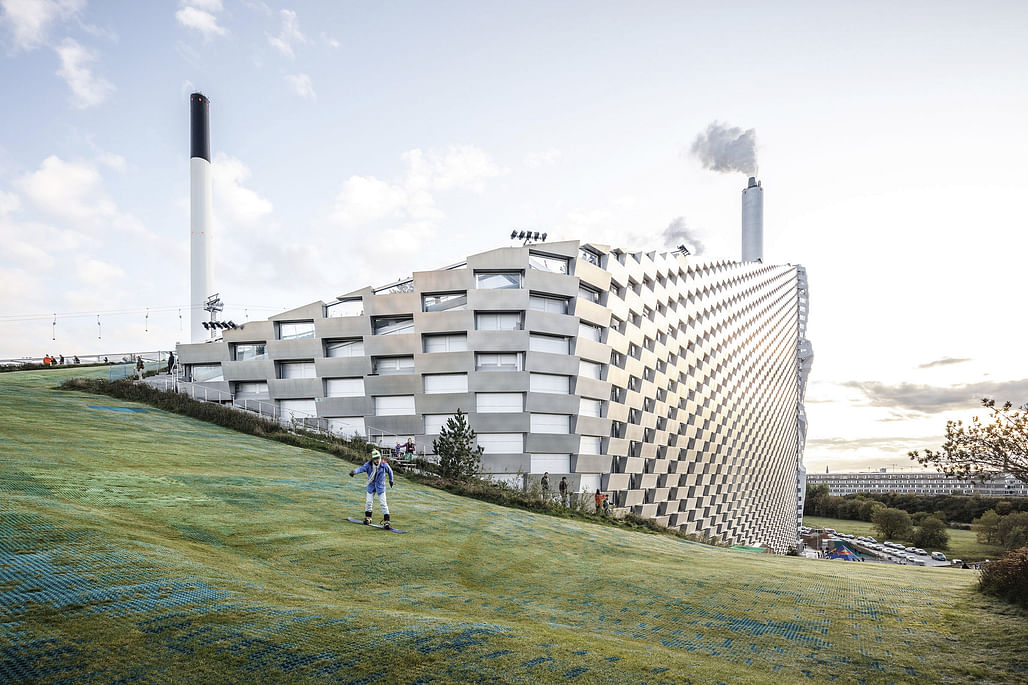
Copenhill: The World’s First Ski Slope Waste-to-Energy Plant
If you close your eyes and imagine a waste-to-energy facility, you might picture a sterile industrial complex, towering smokestacks, and the faint, unpleasant odor of burning trash. That was the standard image until a team of architects decided to flip the script entirely. Enter CopenHill, a facility in Copenhagen that defies every convention we have about trash management. It is not just a power plant; it is a recreation center, a ski slope, and a climbing wall all rolled into one.
Opened in 2019, CopenHill is a masterpiece of functional urban design. It takes the waste that Copenhagen cannot recycle or compost and burns it at extremely high temperatures to generate electricity and district heating for tens of thousands of homes. But instead of presenting a brutalist façade to the city, the architects turned the roof into a public park. Specifically, they built the world’s first urban artificial ski slope directly on top of a trash incinerator. This concept is what many call “funarchitecture,” a term coined by BIG (Bjarke Ingels Group), the firm behind the project. It sounds absurd on paper, but it has profoundly changed how cities approach infrastructure.
The Concept of FunArchitecture
The philosophy behind CopenHill is rooted in a very simple yet radical idea: infrastructure should be part of our daily lives, not hidden away in the suburbs. For decades, waste-to-energy plants were typically built on the outskirts of cities, often misunderstood and disliked by local residents. They were seen as eyesores and sources of pollution. BIG wanted to change that narrative by bringing the plant right into the heart of Copenhagen, placing it in an industrial neighborhood that was transitioning into a more mixed-use area.
By making the plant a destination rather than a distraction, the architects turned a necessary evil into a community asset. The facility offers a ski slope that is 85 meters wide and 100 meters long, equipped with two lifts. In the summer, the same roof transforms into a mountain biking trail. There is also a hiking trail with 40 stairs that leads up to a viewing platform. When you stand at the top, you get a panoramic view of the harbor and the surrounding city. It is a brilliant use of vertical space that serves multiple purposes simultaneously.
How the Waste-to-Energy Process Works
While the ski slope gets the glamour, the engine room is where the real environmental magic happens. CopenHill processes approximately 440,000 tons of waste annually. This includes any waste that can be recycled, composted, or otherwise reused. Once it reaches the plant, it is burned at temperatures exceeding 850 degrees Celsius. This extreme heat is used to produce steam, which drives turbines to generate electricity. The process also provides district heating to over 100,000 households in the city.
The efficiency of the plant is staggering. It captures almost all of the energy from the waste, minimizing what is lost to the atmosphere. More importantly, it reduces the volume of waste sent to landfills by 90%. This is crucial for a city like Copenhagen, which is fighting to reduce its carbon footprint and move toward a carbon-neutral future. The plant is equipped with advanced flue gas cleaning systems that remove pollutants such as sulfur, nitrogen oxides, and heavy metals. As a result, the emissions from CopenHill are significantly lower than those from older, less efficient incinerators. In fact, the exhaust coming out of the smokestacks is cleaner than the air in many residential areas of the city.
Environmental Impact and Sustainability
Critics of waste incineration often argue that burning trash is not the ultimate solution to waste management. They point out that recycling and composting are more sustainable options because they keep materials in the loop. BIG and the plant’s operators agree with this assessment. CopenHill is designed to handle the waste that cannot be recycled. It is the final step in the waste hierarchy, dealing with the residual waste that would otherwise end up in a landfill. By turning this waste into energy, the plant reduces reliance on fossil fuels and provides a renewable energy source.
The building itself is also designed with sustainability in mind. The façade is covered in recycled materials, including granite and glass. The roof slopes are covered in grass and trees, which help to insulate the building and reduce the urban heat island effect. The plant also generates its own waste water treatment system, ensuring that no contaminated water is released into the surrounding environment. Overall, CopenHill is a model of how to integrate environmental technology into urban life in a seamless and aesthetically pleasing way.
International Influence and Future Projects
The success of CopenHill has sparked a global interest in “funarchitecture.” Cities around the world are looking for innovative ways to integrate their infrastructure into their urban fabric. There are already proposals for similar projects in other parts of the world. For instance, there have been talks of building a ski slope on top of a waste-to-energy plant in New York City. While these projects are still in the conceptual stages, the fact that they are even being considered speaks volumes about the impact that CopenHill has had on the global conversation about sustainability and urban design.
The plant has become a major tourist attraction, drawing visitors from all over the world who want to see the building for themselves. It has proven that infrastructure can be a source of joy and community engagement, rather than a source of resentment. By turning a waste-to-energy plant into a recreation center, CopenHill has shown that it is possible to design buildings that are both functional and beautiful. It is a testament to the power of creative thinking and the importance of integrating sustainability into every aspect of our lives.
Frequently Asked Questions
- Is the ski slope at CopenHill open to the public?
Yes, the ski slope is open to the public during the winter season. Visitors can rent skis, helmets, and skates at the facility. Professional instructors are available for lessons, so even beginners can enjoy the experience safely.
- Does CopenHill produce harmful emissions?
While incineration does produce emissions, CopenHill is equipped with state-of-the-art filtration systems. These systems remove up to 99% of pollutants from the exhaust gases. The remaining emissions are continuously monitored and are well below the legal limits set by the European Union.
- Can I visit CopenHill outside of winter?
Yes, the facility is open year-round. During the summer, the roof transforms into a mountain biking trail. There is also a hiking trail with stunning views of the city that is open throughout the year. Guided tours of the power plant are also available for those interested in seeing the technology behind the scenes.
- How much waste does CopenHill process?
CopenHill processes approximately 440,000 tons of waste annually. This waste is primarily residential waste that cannot be recycled or composted. By converting this waste into energy, the plant helps Copenhagen reduce its reliance on fossil fuels and landfills.