Cowboys Unveiled: The Real History Behind the Legend and the West
When you hear “cowboy,” a spangled hat, a six‑gun, and a sunset‑lit roundup probably flash across your mind. That image, polished by Hollywood and dime novels, is only the tip of a much messier, more human story. Real cowboys were a blend of ranch hands, freelancers, and occasional outlaws, shaped by economics, geography, and the shifting demands of a young nation.
From Trailblazers to Ranch Hands
In the early 1800s, the U.S. government began granting huge swaths of land in Texas, Oklahoma, and Kansas to settlers. As cattle herds multiplied, owners needed men who could move thousands of head across rough terrain. Those men weren’t glamorous Hollywood stuntmen; they were sturdy, often ill‑educated farmers who learned to read the land, the weather, and the temperament of their stock.
Most of these early cowboys were of Mexican descent, a fact that gets lost in the popular “white‑hat” myth. Their techniques—such as the rejoneo style of riding and using a lariat made of rawhide—were inherited from centuries‑old Spanish ranching traditions. When Anglo‑American settlers pushed westward, they borrowed these skills, sometimes grudgingly, sometimes out of necessity.
The Economics of the Open Range
By the 1860s, the demand for beef in the East surged. The railroads became the arteries that could finally ship massive quantities of meat. But before tracks reached the frontier, cowboys drove cattle to railheads in places like Abilene and Dodge City. A single drive could cover 500 miles, last several months, and cost a cowboy roughly $30 a month—more than many factory workers earned in the same period.
These drives weren’t just work; they were social microcosms. Cowboys formed crews, rotated watches, and even held informal “cowboy courts” to settle disputes. Their code of conduct—honor, loyalty, and a grudging respect for the law—was less about mythic chivalry and more about survival on a stretch of plain where a single mistake could mean loss of cattle or life.
Life on the Trail: Myths Versus Reality
- Guns and violence: While gunfights did happen, most days involved branding, mending fences, and dealing with stampedes.
- Glamorous dress: The iconic straw hat and silver spur were rare luxuries; most wore patched shirts, worn boots, and hats fashioned from whatever material was at hand.
- Loneliness: Contrary to the lone‑rider image, cowboys often traveled in groups of 10‑20, sharing meals, stories, and occasional companionship with local townsfolk.
Alcohol was indeed a staple—sarsaparilla, whiskey, and home‑brewed corn liquor helped drown the monotony and the biting cold of night watches. Yet many cowboys were also avid readers, trading newspapers and serialized novels at the occasional river crossing.
The Rise and Fall of the Open‑Range Era
When the railroads finally threaded through the Great Plains in the 1880s, the open‑range model began to crumble. Fences—especially barbed wire—stopped cattle from wandering, and the once‑vast grazing lands were parceled into private farms. This “closing” of the range forced many cowboys into new roles: some became lawmen, others turned to mining towns, and a few drifted into outlaw gangs.
The famous "Gunfight at the O.K. Corral" in 1881, while spectacular, actually signaled the waning power of the cowboy as a frontier figure. As towns grew and law enforcement professionalized, the need for a roaming herd‑mover diminished dramatically.
Legacy: From Reality to Pop Culture
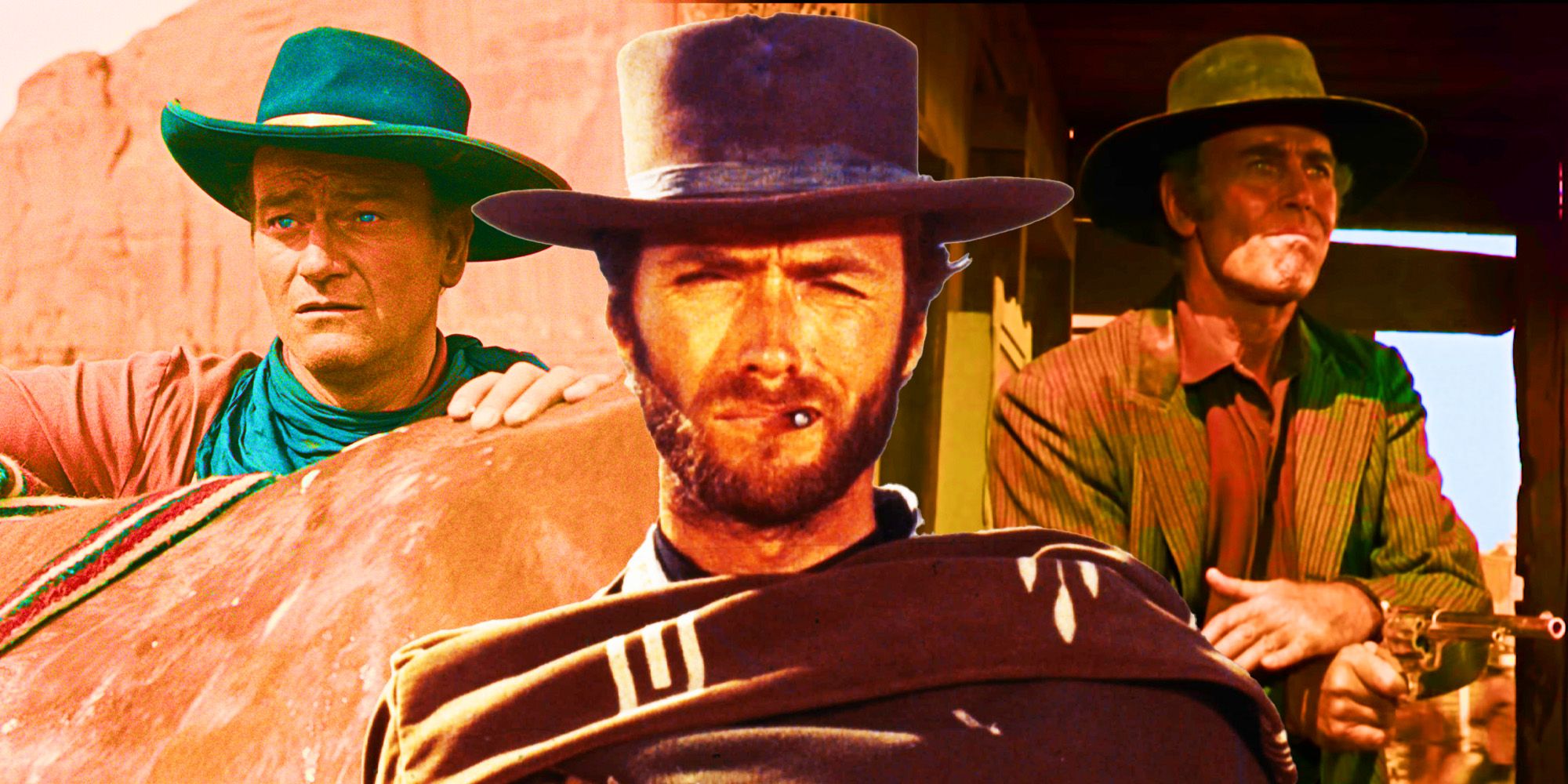
John Farrow’s 1939 film “Stagecoach” and later TV series like “Bonanza” took a kernel of truth and stretched it into drama. The cowboy became a symbol of rugged independence, a convenient canvas for America to project ideals of freedom and moral clarity—especially during uncertain times such as the Great Depression and the Cold War.
Yet the real legacy persists in everyday practices: the rodeo, for example, began as a practical competition among true cowboys testing speed and skill. Modern ranchers still use many of the same methods—rotational grazing, low‑stress handling, and the iconic rope techniques—that were honed on those 19th‑century drives.
Why the Truth Matters
Understanding the real history of cowboys helps us see the West not as a static tableau of button‑up heroes but as a dynamic, multicultural landscape. It reveals how economic forces, migration patterns, and technology reshaped a profession that, for a brief flash, captured the global imagination.
So next time you hear a twangy guitar riff and a lone rider silhouette, remember the diverse men and women who actually lived that life—many of them unheard, many of them of Mexican heritage, many of them simply trying to earn a living on a hard, unforgiving continent.