Crispy Chicken Tonight: Sauces, Slaw & Easy Wins
Let’s be real for a second. The phrase "chicken tonight" usually conjures up two very specific feelings: relief that you don’t have to cook a complex roast, and anxiety about ending up with yet another bland, store-bought fryer chicken meal. The internet is absolutely flooded with hacks for transforming those crispy, salty strips into something that tastes like it came from a high-end shaker table. But here is the thing most viral posts leave out: the magic isn’t just in the heat. It is in the balance.
If you want to elevate your weekly routine, you need to stop thinking about the chicken as the main event and start treating it as the vehicle for your sauces and slaws. Today, we are diving into how to build serious flavor profiles using pantry staples, creating emulsified dipping sauces that cling to the crust, and making a slaw that cuts through the grease without turning soggy in five minutes. It is easier than you think, and it saves your budget while feeding your soul.
The Science of the Sticky Sauce
There is a reason Korean-style restaurants get away with heavy spice levels. It’s because they use a binder. When you are mixing up a sauce for crispy chicken, you aren’t just mixing ingredients; you are creating an emulsion. Oil and water don’t mix, but if you agitate them with an emulsifier like mustard, honey, or mayonnaise, they form a stable coating. This is crucial because a watery sauce slides right off fried chicken, leaving you with a sad puddle at the bottom of the bowl and dry meat in your mouth.
Start with a base. A simple combination of two tablespoons of mayonnaise and one tablespoon of honey creates a mild, sweet-tart foundation. From there, you can branch out. For a gochujang-inspired kick without needing to find the Korean chili paste, try mixing Sriracha with a squeeze of lime and a dash of soy sauce. The acidity from the lime brightens the fat, while the soy adds umami depth. If you prefer a tangier profile, swap the honey for apple cider vinegar and add a teaspoon of whole grain mustard. Stir vigorously. You want the texture to be thick enough to coat the back of a spoon. If it looks separated, don’t panic. Just add another half-teaspoon of mayo and whisk again. That glossy sheen? That is flavor signaling.
Coleslaw That Doesn’t Quit
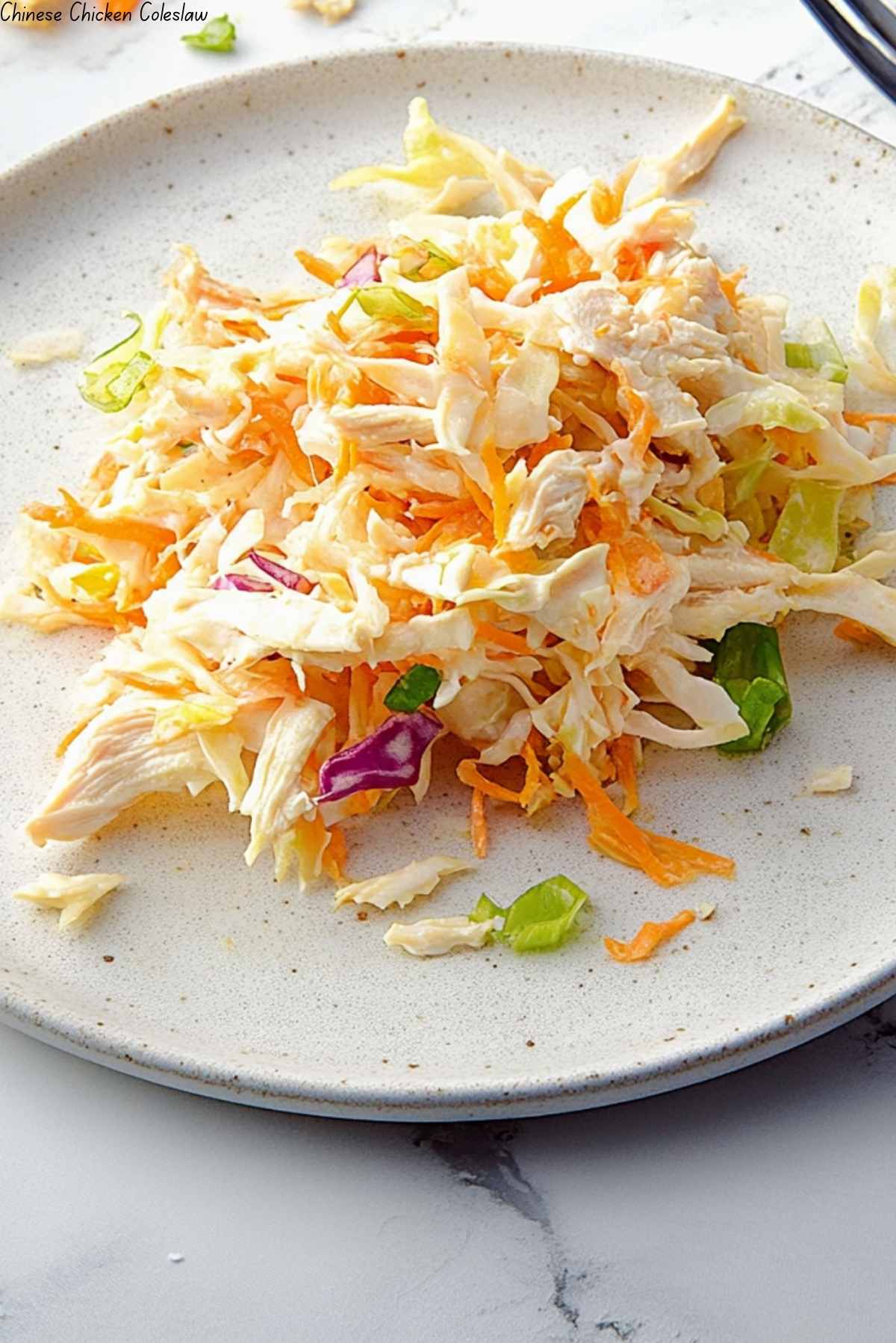
Most people slather their coleslaw in a heavy, mayo-loaded dressing that makes it feel like you are eating mayonnaise with cabbage sprinkled on top. It feels heavy, especially when paired with oily fried chicken. The better approach? A vinegar-based slaw. It is lighter, brighter, and actually cleanses the palate between bites. Plus, it keeps for days without turning into a slimy mess.
Here is the ratio to remember: one large head of green cabbage (shredded fine) to half a head of white cabbage. Why the mix? Green cabbage provides the crunch and bitterness, while white cabbage adds sweetness and structural integrity. Add two shredded carrots for color and a hint of earthiness, and maybe a quarter of a red onion, sliced paper-thin. Toss this in a large bowl with a mixture of two tablespoons of apple cider vinegar, two tablespoons of white sugar, one teaspoon of salt, and a generous crack of black pepper.
Let it sit. Seriously, let it sit for at least twenty minutes. The acid will start to bruise the cabbage, softening the raw bite and allowing the flavors to penetrate the leaves. Stir it halfway through. This isn’t just a garnish; it is a structural component of the meal that provides the necessary acidity to cut through the richness of the fried coating. If you want a creamy twist, add a dollop of plain Greek yogurt at the very end, right before serving. It lightens the richness without compromising the crunch.
Tying It All Together
Now, the assembly. This is where home cooks often mess up by drowning the chicken in sauce. Do not do that. You want the sauce to be a deliberate flavor hit, not a soup. Toss half of the chicken in your chosen sauce while it is still hot. The residual heat will help the sauce adhere to the crust. Leave the other half plain. Why? For contrast. You want bites that are heavily flavored and bites that let the seasoned breading shine. Arrange the chicken on a plate, pile the vibrant vinegar slaw next to it or on top, and drizzle the remaining sauce over the slaw. The slaw acts as a buffer, carrying the sauce flavor through the fresh cabbage.
This method transforms a cheap protein into a complex, textural experience. The crunch of the slaw, the heat of the sauce, and the savory saltiness of the fry work in harmony rather than competing for attention. It requires zero special equipment—just a whisk, a knife, and a bit of patience.
Frequently Asked Questions
Can I make the coleslaw ahead of time?
Yes, vinegar-based slaw actually improves with time as the flavors meld. You can make it up to two days in advance. Just give it a good stir and a taste for salt before serving. However, avoid making creamy slaws too far in advance, as they can release water and become watery.
What if I don’t like spicy food?
You can easily tone down any heat-focused sauce. Replace half of the hot sauce or Sriracha with ketchup or extra honey. For a completely non-spicy option, try a honey-lime vinaigrette: whisk together honey, lime juice, olive oil, and a pinch of cumin. It pairs beautifully with crispy chicken and adds a zesty, citrusy note.
Does this work with baked chicken?
Absolutely. While the texture is different, the principle remains the same. Baked chicken often lacks the surface oil that helps sauces cling, so you may want to toss the chicken in the sauce immediately after it comes out of the oven while it is hot. The slaw serves the same purpose: providing a cold, crunchy, acidic counterpoint to the warm, savory protein.