Crispy Fried Chicken Wedges: The Ultimate Comfort Food
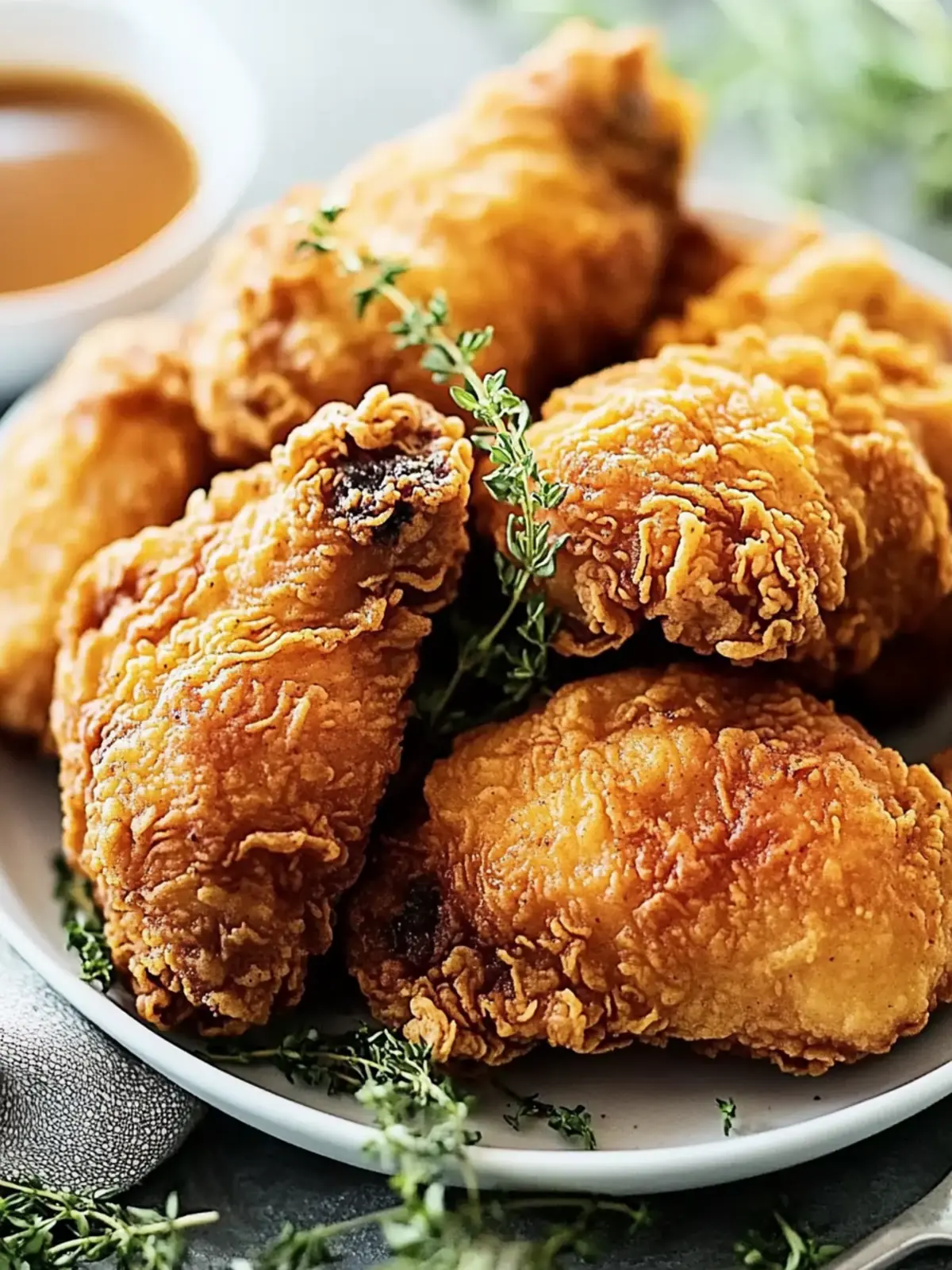
There is something almost magical about the crackle of a perfectly fried chicken wedge. It’s a sound that promises satisfaction before the first bite even touches your tongue. While drumsticks and thighs get a lot of love, the chicken wedge—that innocent slice of breast meat—is often overlooked. Until now. It offers the leaner protein content of the breast but, when prepared correctly, carries the same golden, crunchy soul as the darker cuts.
If you’ve ever dreamed of recreating that fast-food satisfaction at home without needing a commercial fryer or a degree in chemistry, you’ve come to the right place. Making crispy fried chicken wedges isn’t just about throwing flour on raw poultry. It’s a balance of science, patience, and a few kitchen tricks that elevate a humble dinner into a memorable meal.
The Secret to Achieving That Perfect Crunch
We all know the struggle. You pull the chicken out of the oil, it looks golden and inviting, but then it sits in the basket for five minutes. Suddenly, it’s soggy. The crunch is gone. What happened? It usually comes down to moisture and temperature.
First, let’s talk about the batter. Many home cooks make the mistake of using only flour. Flour alone creates a coating that can turn tough or chapati-like rather than light and airy. The secret weapon here is cornstarch. Mixing all-purpose flour with cornstarch in a 2:1 ratio disrupts the gluten formation. This results in a tender, shattering crust that stays crispier for longer. Some swears even believe adding a teaspoon of baking powder to the dry mix helps lift the coating, creating tiny air pockets that mean more crunch and less oil absorption.
Then there is the issue of moisture. Chicken breast is notoriously prone to drying out, but it’s also wet. Patting the wedges dry with paper towels before marinating seems like a tedious step, but it’s crucial. If the surface is swimming in water, the flour won’t stick properly, and it will slip off into the oil. Dry chicken holds onto its coating like a magnet.
Choosing the Right Oil and Temperature
You might be tempted to use olive oil for the health halo, but don’t do it for deep frying. Olive oil has a lower smoke point and imparts a flavor that clashes with the savory seasoning of fried chicken. Stick with neutral oils with high smoke points. Peanut oil is the gold standard in many Southern kitchens, offering a clean, nutty background note that enhances the chicken. Vegetable oil, canola oil, or even avocado oil are excellent, accessible alternatives.
Temperature is the other half of this equation. If the oil is too cool, the chicken absorbs it like a sponge, becoming greasy and heavy. If it’s too hot, the outside burns before the inside is cooked. You’re aiming for a sweet spot between 325°F and 350°F (160°C - 175°C). Investing in a simple candy thermometer is the best seventy-dollar tool you’ll ever buy for your kitchen. It takes the guesswork out and ensures consistency every time.
Marinating for Maximum Flavor
Texture is king, but flavor is the kingdom. Because chicken breast is relatively mild compared to thigh meat, it needs help. Buttermilk is the traditional marinade of choice, and for good reason. The acidity in the buttermilk gently breaks down the muscle fibers, keeping the meat juicy, while the lactic acid helps the seasonings penetrate deeper.
However, you don’t need a dairy-heavy marinade to get great results. A mix of soy sauce, hot sauce, and a little olive oil can provide a savory umami punch that stands up well to frying. Marinate for at least an hour, though overnight is better. The longer the chicken sits in the brine or marinade, the more flavorful each bite becomes. Don’t skip the salt. Season your marinade generously; you’re not just eating the coating, you’re eating the meat beneath it.
The Dredging Technique That Matters
Here’s where many people go wrong: they shake off the excess flour. Resist that urge. You want a thick, shaggy coat. The method is simple but requires discipline. Dip the marinated chicken into the dry flour mixture, pressing it firmly into the crevices. Let it sit for a few minutes to moisten the outer layer. Then, dredge it a second time. This double-dredge technique creates ridges and plates in the crust, which translate directly to extra crispy texture.
While the chicken rests in the flour, it’s actually helping itself. The moisture from the marinade activates the starches in the flour, bonding it to the protein. When it hits the hot oil, that bond hardens instantly into armor.
Frying and Cooling: The Final Steps
Don’t crowd the pan. If you drop too many wedges in at once, the oil temperature will plummet. Fry in small batches. As soon as the wedges are in, leave them alone. Moving them around before the crust has set can cause the coating to peel off. Let them cook until golden brown, usually about 6-8 minutes depending on thickness.
Once they’re done, do not place them directly on a plate. This is the cardinal sin of fried chicken. Steam will escape from the hot meat and condense on the bottom of the crust, ruining the crunch. Instead, place them on a wire rack set over a baking sheet. This allows air to circulate around the entire piece, keeping the bottom as crunchy as the top. Serve immediately with your favorite dipping sauces, from classic honey mustard to spicy ranch.
Frequently Asked Questions
- Can I bake chicken wedges instead of frying them? Yes, but they won’t be as crispy. To get close to fried texture, use an air fryer or bake on a wire rack at 400°F, spraying them with oil midway through cooking. The crunch will be lighter, more like a breadcrumb coating than a deep-fried crust.
- How do I keep fried chicken from getting soggy? Moisture and lack of airflow are the enemies. Ensure your chicken is patted dry before coating, fry at the correct temperature, and let them rest on a wire rack, never a plate or paper towels, after cooking.
- What internal temperature should chicken wedges reach? Always use a meat thermometer. Chicken breast must reach an internal temperature of 165°F (74°C) to be safe to eat. Since wedges are thinner than whole breasts, they cook faster, so keep a close eye on them to prevent drying out.
- Is it better to use boneless or bone-in wings for wedges? For this specific recipe, boneless, skinless chicken breasts are ideal. They cut easily into uniform wedges and cook relatively quickly. If you prefer the flavor of skin-on meat, chicken thighs cut into wedges work well too, though they require slightly longer cooking times.