Dave Ramsey Vs. Rich Dad Poor Dad: A Financial Clash
Money doesn’t smell, but the advice surrounding it certainly has a distinct odor. On one side, you have the clean, crisp scent of fresh laundry and a paid-off mortgage championed by Dave Ramsey. On the other, you’ve got the heavy, musky aroma of high-leverage real estate deals and passive income pipes from Robert Kiyosaki’s Rich Dad Poor Dad. These two giants of personal finance occupy opposite ends of the spectrum, and understanding the difference between them is crucial if you want to build wealth without losing your mind—or your house.
The core conflict isn’t just about math; it’s about psychology. One approach views debt as the devil incarnate, while the other sees it as a powerful tool for leverage. If you’re trying to figure out which philosophy aligns with your life, you need to look past the headlines and dig into the mechanics of each system.
The Debt-Free Dream: Dave Ramsey’s Philosophy
Dave Ramsey operates on a simple, almost monastic premise: control what you can. His "Baby Steps" are famous for a reason. They work. But they also require a level of discipline that feels brutal in the early stages. Ramsey’s worldview is built on the idea that most people fail financially not because they don’t know how to invest, but because they lack character control over their spending.
For Ramsey, debt is a symptom of immaturity. Whether it’s a mortgage, a student loan, or a credit card balance, it represents a future obligation that limits your freedom. He advocates for the "debt snowball," a behavioral strategy that focuses on paying off the smallest debts first to build momentum. It’s not always the mathematically optimal way to pay down interest, but it is psychologically potent.
Once the debt is gone, the focus shifts to saving. Ramsey pushes heavily for low-cost index fund investing through employer-sponsored retirement plans like 401(k)s and IRAs. The goal here is steady, long-term growth without the headaches of active management. It’s boring, sure. But boring is often profitable. He generally advises against real estate speculation unless you’re an experienced investor, preferring the simplicity of the stock market.
The Cash Flow Cube: Robert Kiyosaki’s Approach
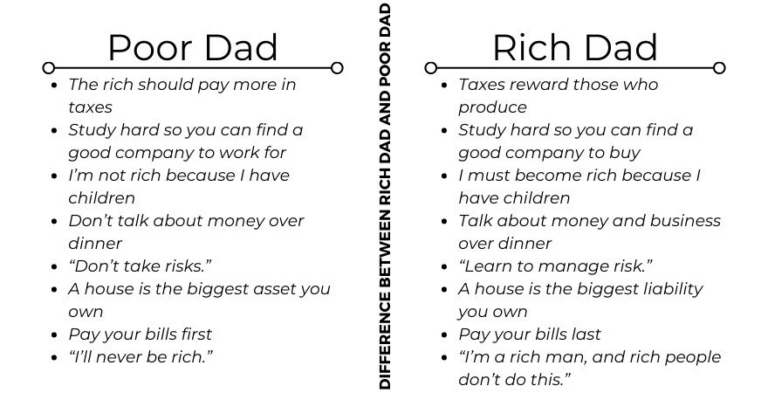
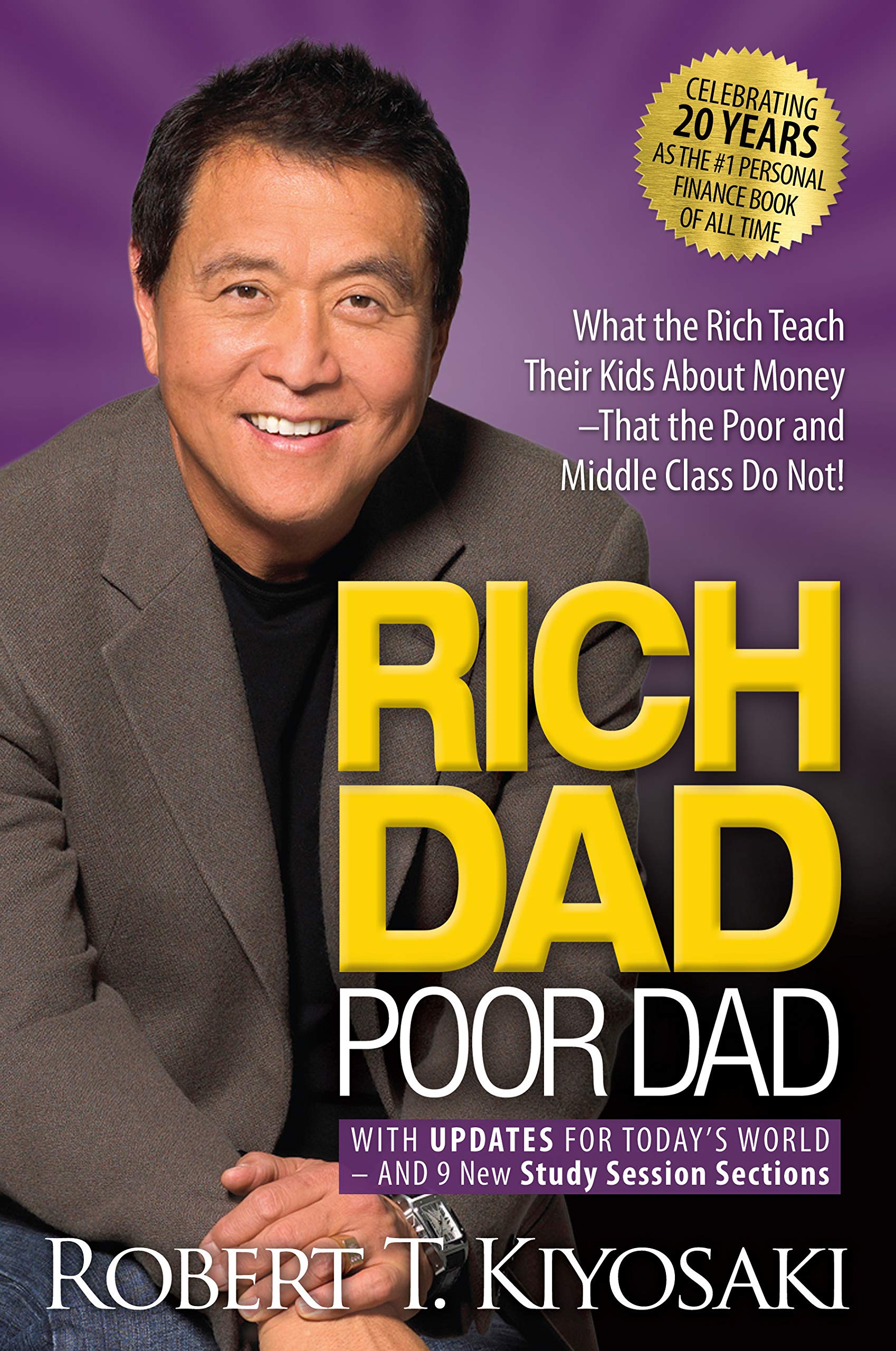
Enter Robert Kiyosaki, the author of Rich Dad Poor Dad. Kiyosaki’s book is less a step-by-step manual and more a mindset shift. His central argument is that the middle class is trapped in the "rat race" because they trade time for money. To escape, you must acquire assets that generate cash flow.
Kiyosaki redefines what an asset is. To him, an asset puts money in your pocket, while a liability takes money out. This is the critical divergence. Many people think their primary residence is an asset. Kiyosaki argues it’s a liability because it costs you money every month through taxes, insurance, and maintenance. He encourages readers to seek out real estate, businesses, and investments that generate income independent of their labor.
Where Kiyosaki parts ways sharply with Ramsey is his view on debt. He distinguishes between "good debt" and "bad debt." Good debt is money used to acquire income-producing assets. If you borrow $100,000 to buy a rental property that brings in $1,200 a month, the property pays for the debt. That’s leverage. Bad debt is money spent on liabilities, like buying a car on credit. The rich, Kiyosaki argues, use other people’s money (banks) to build their wealth, while the middle class uses their own savings.
The Critical Differences
The tension between these two schools of thought boils down to risk tolerance and financial literacy.
- Risk Profile: Ramsey is conservative. He prioritizes safety and peace of mind. Kiyosaki is aggressive. He prioritizes leverage and scale.
- Role of Debt: Ramsey says get out of debt and stay out. Kiyosaki says learn to use debt as a tool.
- Starting Point: Ramsey’s advice is excellent for people drowning in credit card or student loan debt. His plan offers structure and hope. Kiyosaki’s advice can be dangerous for beginners because it assumes a high level of financial education.
Here is the hard truth: Kiyosaki’s strategies require significant expertise. Trying to leverage real estate without understanding market cycles, tenant law, or cash flow analysis is a fast track to foreclosure, not financial freedom. Ramsey’s methods are safer but slower. You won’t get rich quick, but you’re unlikely to go broke if you follow them.
Which One Should You Follow?
It’s not really an either/or choice, although the tone suggests otherwise. Think of it as a progression. If you are in debt, Ramsey is your best friend. His principles of budgeting, living below your means, and eliminating liabilities are foundational. You cannot build a skyscraper on a swamp.
Once you have an emergency fund and manageable debt, you can begin to incorporate Kiyosaki’s mindset. Start thinking about cash flow. Start looking at income-producing assets, even if it’s just a high-yield savings account to begin with. Don’t jump into leveraged real estate because you read a book, but do start educating yourself on how leverage works.
The best financial strategy often borrows the discipline of Ramsey with the asset-accumulation mindset of Kiyosaki. Control your spending like a Ramsey fan, but invest with the eyes of a Kiyosaki disciple. Avoid the emotional spending that Ramsey warns against, but don’t be too scared of smart leverage to grow your wealth.
Frequently Asked Questions
Is Dave Ramsey’s Baby Steps still relevant today?
Yes. While interest rates and inflation change, the behavioral psychology of getting out of debt remains effective. Ramsey’s steps provide a clear roadmap for financial stability, which is the foundation for any wealth-building strategy.
Can I use Rich Dad Poor Dad advice if I have student loans?
Cautiously. Kiyosaki might argue student loans are "good debt" if they lead to a high income, but for most people, they are a heavy burden. It is generally safer to reduce consumer debt first (Ramsey style) before attempting complex leveraged investments (Kiyosaki style).
Who is right about the primary residence?
Technically, Kiyosaki is correct that a primary residence is a liability on a cash-flow basis because it consumes money. However, Ramsey argues it provides stability and potential equity growth. The reality is nuanced: it’s a consumption item that may appreciate, but it’s rarely a wealth-building engine unless leveraged correctly, which carries high risk.
Is it better to pay off a mortgage early or invest?
This depends on the mortgage interest rate and your risk appetite. Ramsey advises paying it off early for the psychological freedom of owning your home outright. Kiyosaki would likely suggest investing that money, assuming your investment returns outpace the low mortgage interest rate. The math often favors investing, but the peace of mind favors paying it off.