Dealer Plates: Who Can Legally Drive Them On The Road?
When you see a sleek car cruising down the boulevard with a tag that looks more like a company badge than a regular licence plate, you’re probably looking at a dealer plate. These plates aren’t just decorative—they serve a specific purpose in the automotive world. But the big question that pops up for many observers is: who exactly is allowed to get behind the wheel of a vehicle sporting a dealer plate?
What Are Dealer Plates?
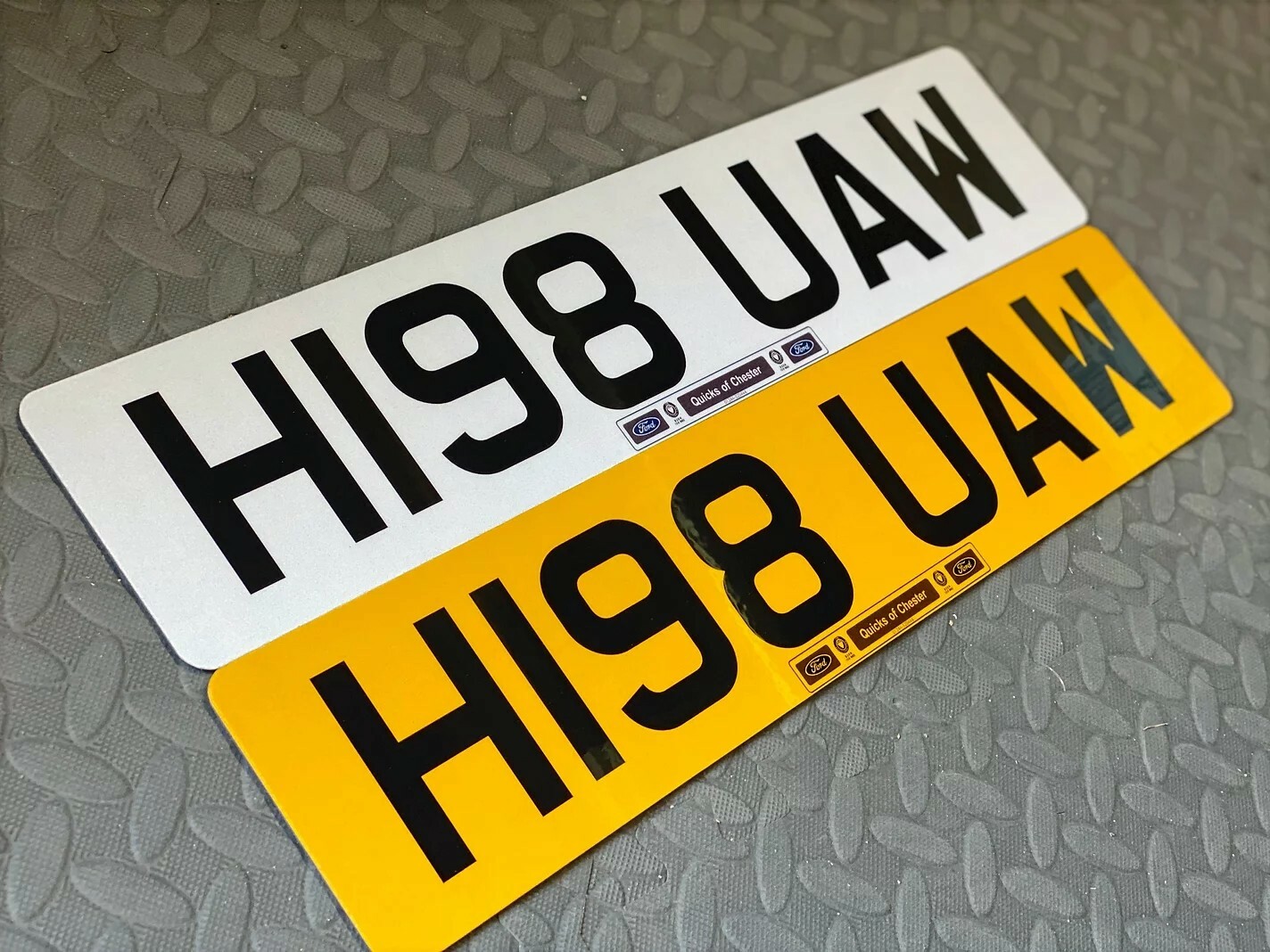
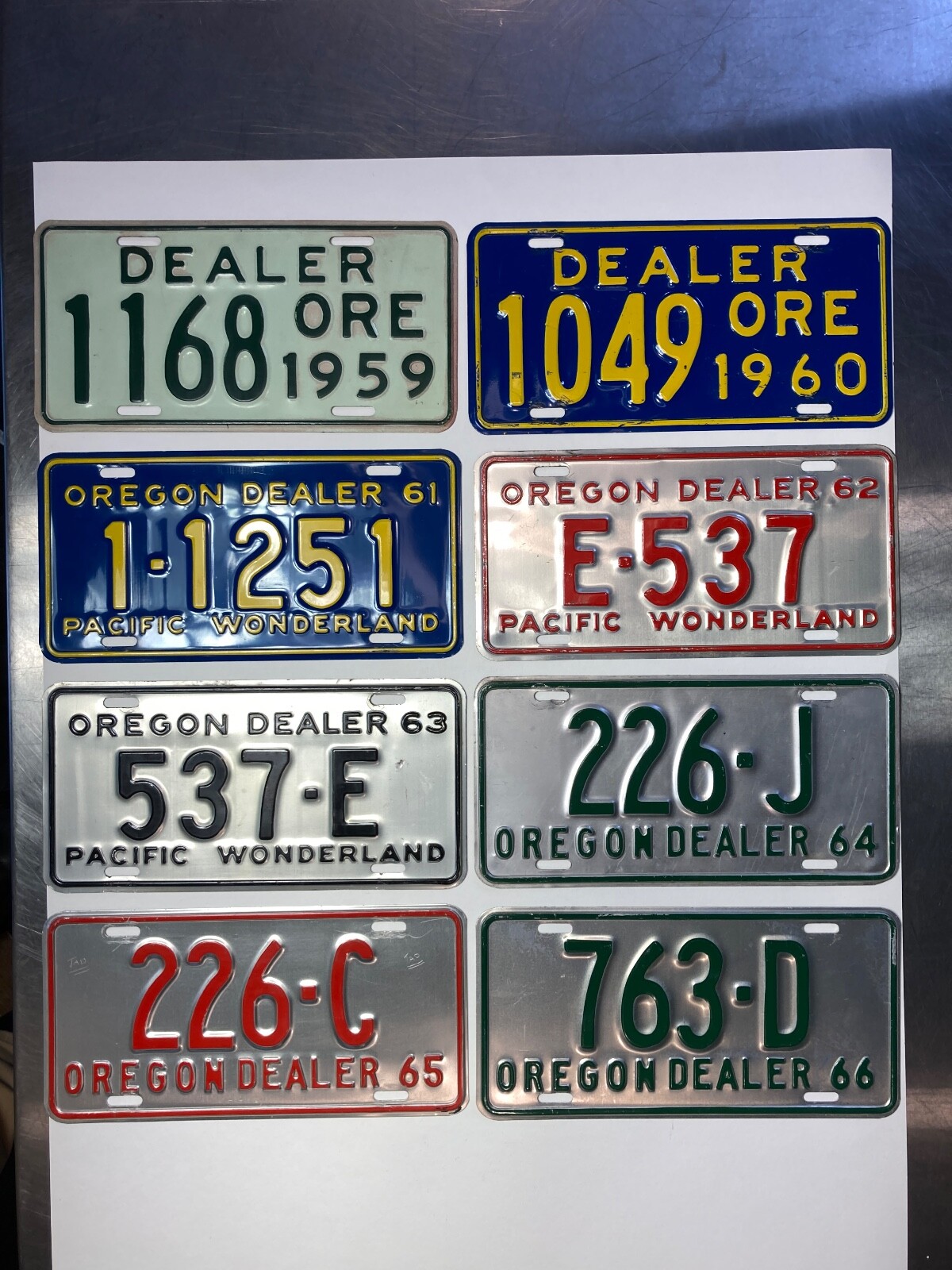
Dealer plates, sometimes called “commercial plates” or “fleet plates,” are issued to licensed automobile dealers. Instead of being tied to a single vehicle, they allow the dealer to move multiple cars—usually for test drives, demonstrations, or transport between lots—without having to register each one individually.
In most jurisdictions, these plates are distinctly coloured or bear a special prefix that signals their commercial nature. That visual cue helps law‑enforcement officers quickly identify that the vehicle isn’t a private passenger car but part of a dealership’s inventory.
Legal Requirements for Using Dealer Plates
Getting a dealer plate isn’t as simple as walking into the DMV and asking for one. Dealers must meet a few baseline criteria:
- Hold a valid dealer’s licence issued by the state or province.
- Maintain a physical showroom or lot that meets regulatory standards.
- Provide proof of insurance that specifically covers vehicles operated under dealer plates.
Once the plate is in hand, the law typically imposes restrictions on its use. For example, many states ban using dealer plates for personal errands, commuting, or any activity that doesn’t directly relate to the dealer’s business.
Who Is Authorized to Drive a Vehicle with Dealer Plates?
Here’s the crux: it’s not just any employee who can hop behind the wheel. Permission usually falls into a few categories:
- Dealership staff: Salespeople, mechanics, and floor managers often have the green light to drive dealer‑plated cars for test drives or moving inventory.
- Authorized contractors: Some dealers outsource transportation to third‑party services. Those contractors must be listed on the dealer’s paperwork and carry the required insurance.
- Dealership owners: In many places, the owner can also operate the vehicle, especially if they’re actively involved in day‑to‑day sales.
What about friends or family members of a dealer? Generally, they’re out of luck. Unless they’re formally listed as an authorized driver—often requiring a background check and additional insurance—they’re not permitted to use a dealer plate. That rule helps prevent misuse and keeps liability clear.
Common Misconceptions
People often assume that because a dealer plate looks like a “free pass,” anyone can use it. That’s not the case. Two myths tend to surface:
Myth 1: “Dealer plates are free for any test drive.” In reality, dealers must still log each test drive, and some states require a written record of who drove the car, when, and for what purpose.
Myth 2: “I can keep a dealer‑plated car overnight at home.” Most regulations explicitly forbid personal storage of dealer‑plated vehicles. The car is supposed to stay on dealer premises or be in transit between authorized locations.
Best Practices for Dealers and Drivers
To stay on the right side of the law and avoid costly fines, most reputable dealers follow a handful of simple habits:
- Maintain a logbook—digital or paper—detailing every driver, mileage, and purpose.
- Ensure all drivers have up‑to‑date insurance coverage that includes dealer‑plate usage.
- Regularly review state guidelines, as rules can shift after elections or legislative changes.
- Clearly label dealer‑plated vehicles with visible “Dealer Use Only” stickers when parked in public areas.
For drivers, a quick tip: before you accept a test‑drive request, double‑check whether your name appears on the dealer’s authorized driver list. A brief confirmation can save you a lot of hassle later.
What Happens If the Rules Are Ignored?
Violating dealer‑plate regulations can lead to several consequences. The most immediate is a citation from law‑enforcement, often resulting in a fine that ranges from $100 to several hundred dollars. Repeated offenses might even jeopardize the dealer’s licence, prompting a review—or outright revocation—by the licensing board.
Beyond fines, there’s the insurance angle. If an unauthorized driver gets into an accident, the dealer’s insurance may refuse coverage, leaving the driver personally responsible for damages. That financial exposure can be substantial, especially if the vehicle involved is a high‑value model.
Conclusion
Dealer plates are a handy tool that keeps the wheels of the automotive market turning. But they come with a clear set of rules about who can use them and under what circumstances. By understanding the legal framework and adhering to best practices, both dealers and drivers can enjoy the flexibility of dealer plates without stepping into trouble.