Deciphering Water Resistance: What Does it Mean for Daily Use Watches?
When shopping for a watch, you've likely come across the term "water resistance" or "waterproof." But what does this really mean, and how does it impact your daily use of the watch? In this article, we'll delve into the world of water resistance, exploring what it entails, how it's measured, and what you can expect from your watch in different water-related scenarios.
The concept of water resistance is often shrouded in mystery, with many assuming that a "waterproof" watch can withstand any aquatic adventure. However, the reality is more nuanced. Water resistance is not a binary concept, but rather a spectrum that depends on various factors, including the watch's design, materials, and intended use.
Understanding Water Resistance Ratings
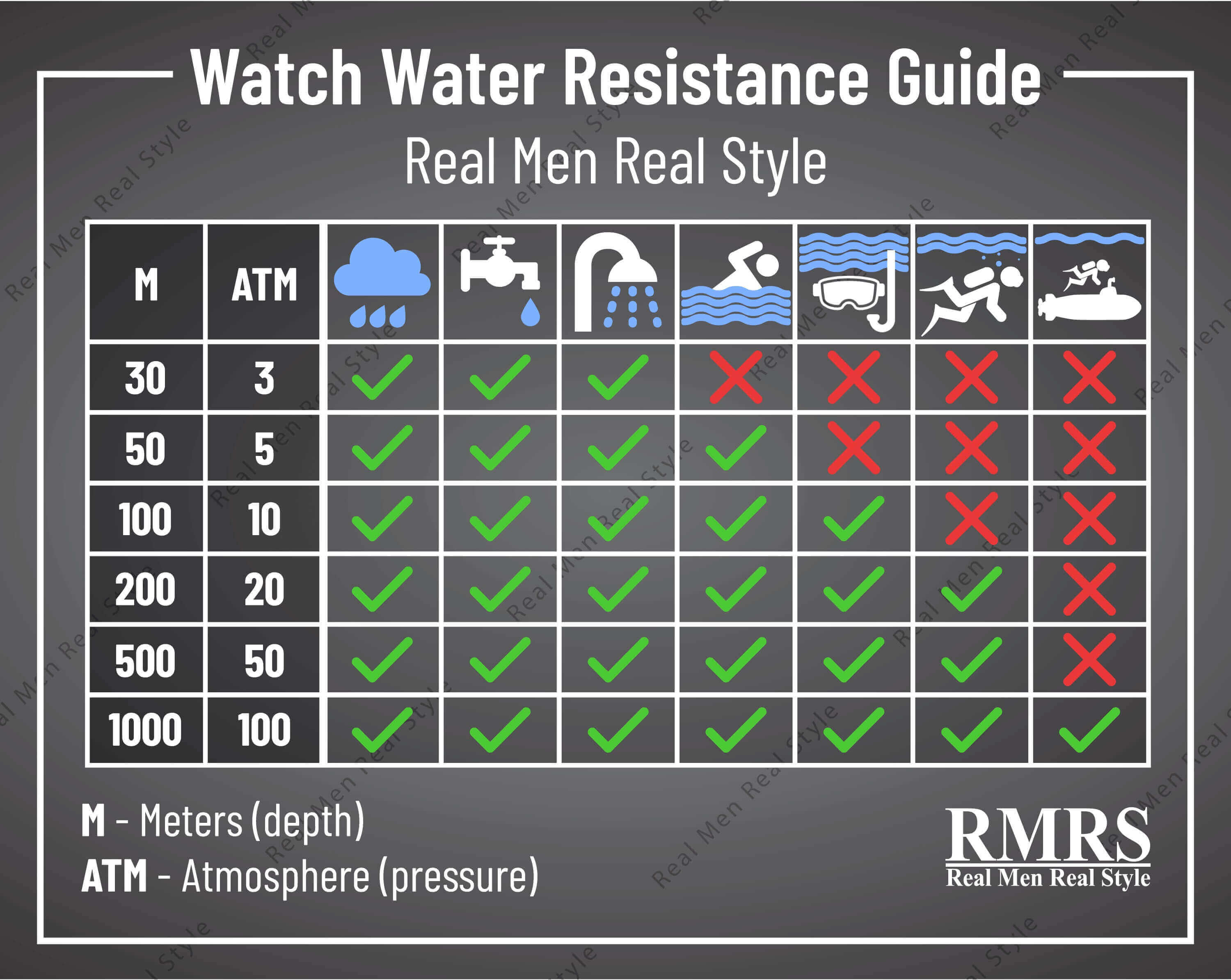
To better comprehend water resistance, it's essential to familiarize yourself with the rating system. The International Organization for Standardization (ISO) has established a set of guidelines for testing water resistance in watches. The rating is typically expressed in terms of the watch's ability to withstand water pressure at a specific depth. Common ratings include:
- 30 meters (3 ATM): Suitable for everyday use, resistant to minor splashes and rain.
- 50 meters (5 ATM): Suitable for swimming and snorkeling, but not for diving.
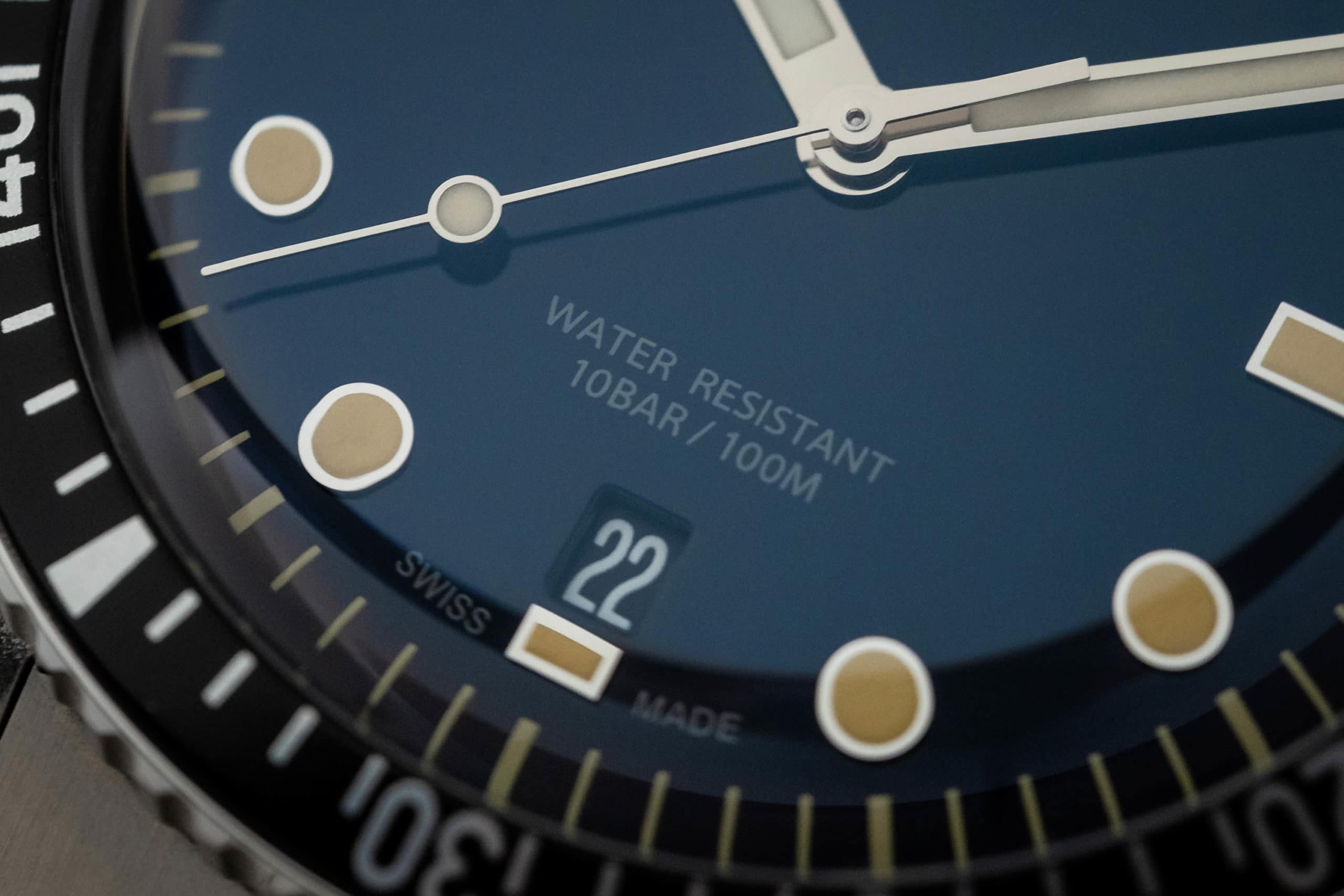
- 100 meters (10 ATM): Suitable for diving and water sports, but not for deep-sea diving.
- 200 meters (20 ATM) or more: Suitable for deep-sea diving and extreme water sports.
It's crucial to note that these ratings are based on static pressure tests, which don't account for real-world conditions like water movement, temperature changes, or external factors that can affect the watch's water resistance.
Real-World Implications for Daily Use
So, what does this mean for your daily use watch? If you're not a professional diver or water sports enthusiast, a watch with a lower water resistance rating (e.g., 30 meters) will likely suffice for everyday activities like washing your hands, taking a shower, or getting caught in the rain. However, if you plan to engage in swimming, surfing, or other water-related activities, you'll want a watch with a higher rating (e.g., 100 meters).
It's also important to remember that water resistance is not a permanent condition. Over time, the watch's seals and gaskets can deteriorate, compromising its water resistance. Regular maintenance, such as having the watch serviced and replacing worn-out parts, can help maintain its water resistance.
Common Misconceptions and Precautions
There are several common misconceptions about water resistance that can lead to costly mistakes. For example, assuming that a "waterproof" watch can withstand any water-related activity, or neglecting to follow the manufacturer's guidelines for water exposure. To ensure your watch remains water-resistant, be sure to:
- Avoid exposing the watch to extreme temperature changes or water pressure.
- Don't open the watch or adjust the crown while underwater.
- Regularly inspect the watch for signs of water damage or wear.
By understanding the concept of water resistance and following these guidelines, you can enjoy your watch with confidence, whether you're navigating the depths of the ocean or simply going about your daily routine.
Conclusion
In conclusion, water resistance is a complex concept that depends on various factors, including the watch's design, materials, and intended use. By grasping the basics of water resistance ratings and taking necessary precautions, you can ensure your daily use watch remains functional and reliable, whether in or out of the water.