Decoding PDIP: The Force Behind Indonesia’s Democracy
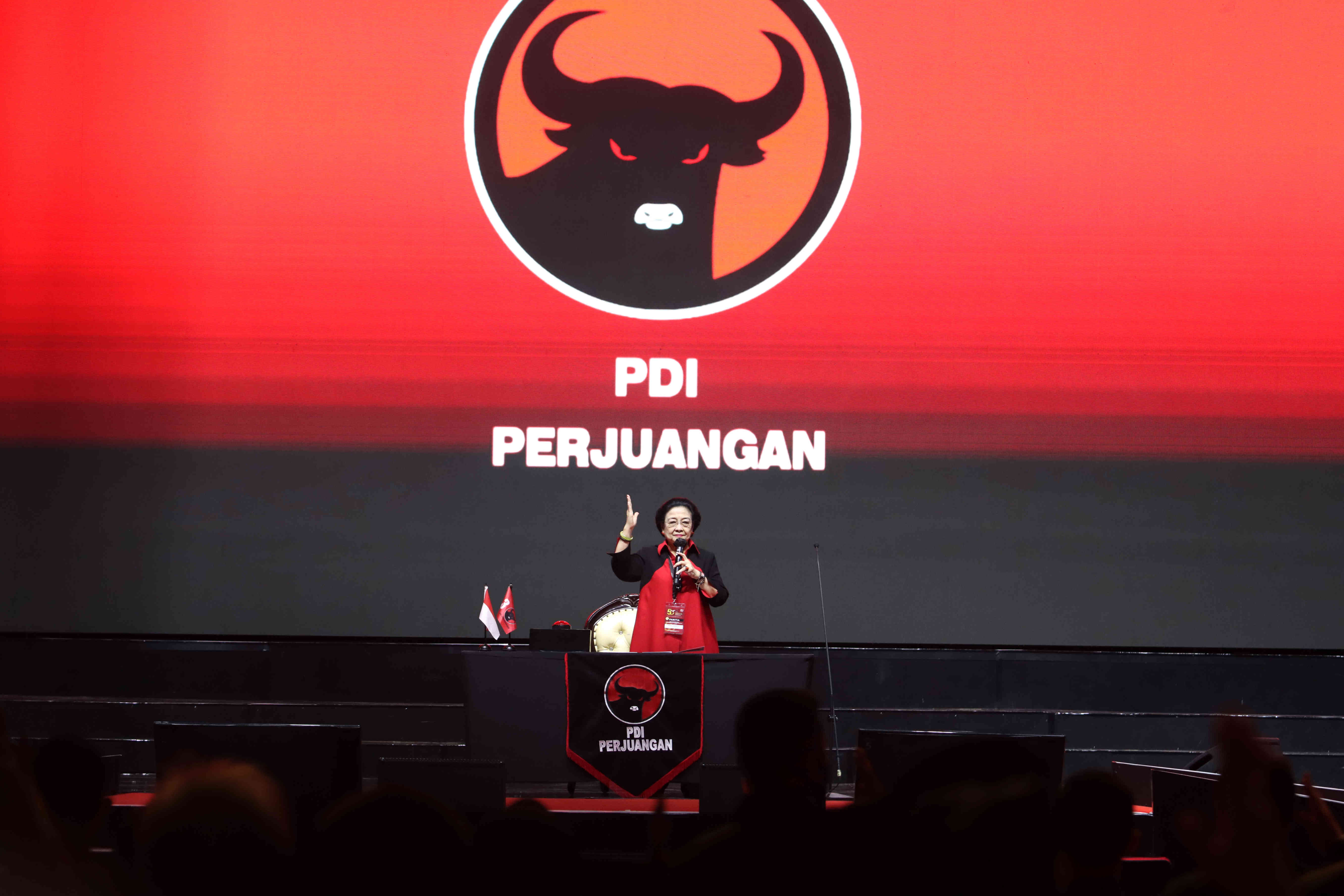
When you hear “Indonesia’s ruling party,” the name that most often pops up is the Indonesian Democratic Party of Struggle, or PDIP. Founded in the chaotic aftermath of Suharto’s fall, PDIP has grown from a fledgling reformist group into the political juggernaut that steers the archipelago’s democratic course today. But what makes this party tick? And why does it matter to anyone watching Southeast Asian politics?
The Roots of a Revolutionary Identity
PDIP’s origins lie in the 1990s, when Indonesia’s authoritarian New Order regime was cracking under economic strain and public dissent. Former members of the older Democratic Party (Partai Demokrasi) regrouped around the charismatic Sukarno‑era nationalist, Megawati Sukarnoputri—daughter of Indonesia’s first president. Their aim was simple yet ambitious: restore a genuinely democratic system that could balance the country’s ethnic, religious, and regional diversity.
Megawati’s leadership turned the party into a symbol of “struggle” (the literal translation of Struggle in the name). That branding resonated with a populace eager for change, and by the 1999 elections PDIP had vaulted into the first democratic parliament after decades of military‑backed rule.
Why PDIP Still Dominates
- Broad Coalition Building – PDIP has mastered the art of weaving together disparate groups, from rural farmers in Java to urban professionals in Jakarta. Its policy platform blends nationalist rhetoric with social welfare promises, creating a “big‑tent” appeal.
- Control of State Machinery – Since President Joko Widodo (Jokowi) took office in 2014, the party has consistently held the presidency, the House of Representatives, and key ministries. This alignment gives PDIP unparalleled leverage to push legislation and allocate development funds.
- Grassroots Networks – The party’s cadre system, rooted in local neighborhoods and village councils, ensures that PDIP remains the first point of contact for citizens seeking assistance or voicing grievances.
These factors create a feedback loop: success at the national level fuels local support, which in turn bolsters the party’s grip on power.
Policy Pillars that Define the Party
While PDIP’s rhetoric can shift with the political wind, three policy pillars remain constant.
1. Social Welfare and Poverty Reduction
From cash‑transfer programs to subsidized health insurance, PDIP pushes policies aimed at narrowing the gap between Indonesia’s rich islands and its poorer regions. The Keluarga Harapan (Family Hope) program, launched under Jokowi, is often cited as a flagship success.
2. National Unity and Secularism
Indonesia’s diversity is both its strength and its challenge. PDIP emphasizes a unifying Indonesian identity (the concept of bangsa Indonesia) while advocating for a secular state that respects religious freedom. This stance helps the party navigate delicate inter‑faith dynamics, especially in provinces where communal tensions flare.
3. Economic Development with a “Human‑Centered” Twist
Infrastructure megaprojects—new highways, ports, and power plants—are touted as engines of growth. Yet PDIP also stresses job creation, vocational training, and support for small‑to‑medium enterprises, arguing that true progress must lift ordinary workers.
Internal Tensions: The Unseen Struggle
Like any massive organization, PDIP wrestles with its own contradictions.
- Ideological Drift – Some veteran members argue the party has drifted from its original reformist spirit, becoming too comfortable with the status quo.
- Generational Gap – Younger activists push for more progressive stances on climate change and digital rights, occasionally clashing with senior officials who prioritize traditional constituencies.
- Factionalism – Regional power brokers sometimes vie for influence over candidate selection, leading to behind‑the‑scenes negotiations that can reshape election outcomes.
These frictions are rarely broadcasted on TV, yet they shape policy decisions and party discipline.
PDIP on the International Stage
Indonesia’s “global pivot” under Jokowi has elevated PDIP’s diplomatic relevance. The party champions a foreign policy that balances ties with China, the United States, and regional neighbors, all while championing ASEAN solidarity. By positioning Indonesia as a mediator in South China Sea discussions, PDIP enhances the country’s soft power and, by extension, its own legitimacy at home.
What the Future Holds
Looking ahead, several scenarios could test PDIP’s resilience.
- Election Dynamics – The 2029 presidential election will be the first without Jokowi on the ticket. Whether PDIP can field a candidate who matches his populist charisma remains uncertain.
- Economic Shocks – Global supply‑chain disruptions or commodity price swings could strain Indonesia’s growth model, forcing the party to adapt its development narrative.
- Social Movements – Growing environmental activism and digital mobilization among millennials may compel PDIP to integrate newer issues into its platform, lest it lose relevance among younger voters.
Whatever the outcome, PDIP’s capacity to negotiate internal dissent, maintain its grassroots base, and project a coherent vision of Indonesia’s place in the world will determine whether it remains the cornerstone of the nation’s democracy.
In the end, decoding PDIP is less about dissecting a single leader’s charisma and more about understanding a complex network of historical legacy, institutional control, and evolving public expectations. That network continues to shape the rhythm of Indonesia’s democratic heartbeat.