Demystifying WWH: What It Means and How It Works
What Is WWH and Why It Matters
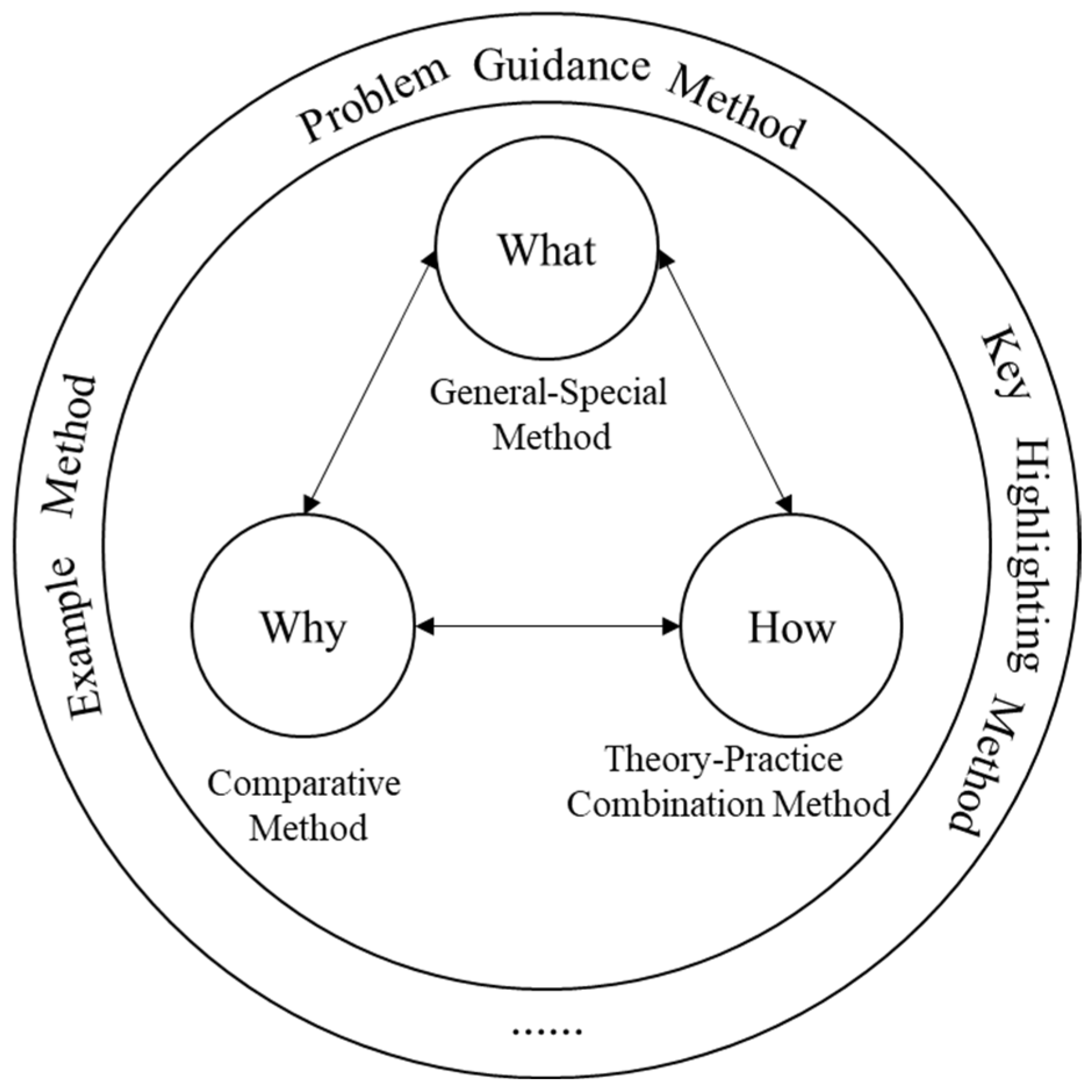
If you’ve ever glanced at a presentation slide that simply reads “WWH” and felt a momentary brain‑freeze, you’re not alone. In its most common usage, WWH stands for “What, Why, How” – a three‑part framework that helps anyone clarify a concept, pitch an idea, or structure a lesson. By breaking information into these three logical steps, speakers and writers can guide audiences from curiosity to understanding, then to action.
The Roots of the WWH Framework
The “What‑Why‑How” trio has its lineage in classic rhetorical structures dating back to Aristotle’s “stasis theory,” which urged speakers to identify the issue (what), explain its relevance (why), and propose a solution (how). Modern business schools and communication workshops have distilled those ideas into the concise acronym WWH, because a short label sticks in memory and fits neatly on a slide.
How to Apply WWH in Practice
Using WWH is less about memorizing a formula and more about asking three purposeful questions at each stage of your message. Below is a quick checklist you can follow before you write a report, design a training module, or deliver a pitch.
- What: Define the subject clearly. What is the product, problem, or idea you’re introducing? Aim for a one‑sentence description that leaves no room for ambiguity.
- Why: Explain relevance. Why does this matter to your audience? Connect the subject to pain points, goals, or broader trends.
- How: Outline the path forward. How will the audience engage, implement, or benefit? Offer concrete steps, timelines, or next actions.
When you move through these points in order, the audience receives a logical flow that mirrors natural curiosity: first they learn the facts, then they understand the stakes, and finally they see the way ahead.
Example: Launching a New Software Tool
What: Our company is releasing “SyncTrack,” a cloud‑based project‑management platform.
Why: Teams spend an average of 30% of their week on manual status updates; SyncTrack automates reporting, freeing up time for higher‑value work.
How: Sign up for a free trial, attend our onboarding webinar next Thursday, and start using the built‑in templates to map your first project.
Benefits of Using the WWH Structure
Adopting WWH isn’t just a stylistic choice; it delivers tangible advantages. First, it forces clarity. By answering “what” up front, you eliminate the vague introductions that often lose listeners. Second, the “why” segment taps into motivation theory – people are more likely to act when they understand personal relevance. Finally, the “how” closes the loop with actionable detail, reducing the friction between insight and implementation.
Organizations that embed WWH into their communication playbooks report smoother meetings and higher project‑completion rates. While exact figures vary, many leaders note a noticeable drop in follow‑up questions once the framework is consistently used.
Common Pitfalls and How to Avoid Them
Even a solid framework can stumble if misapplied. Here are a few traps to watch for:
- Skipping the “Why”: Jumping straight from “what” to “how” leaves the audience wondering why they should care.
- Overloading the “How”: Providing too many steps at once can overwhelm; aim for three to five actionable items.
- Vague language: Using buzzwords without concrete examples dilutes the impact of each section.
To keep WWH effective, rehearse each segment separately, then test the flow with a colleague who isn’t familiar with the topic. Their feedback will quickly reveal any missing links.
Real‑World Applications Beyond Business
While the framework shines in corporate settings, educators, journalists, and even policy makers have found it useful. A teacher might start a lesson with “What is photosynthesis?” followed by “Why does it matter for ecosystems?” and finish with “How can we measure plant growth in our lab?” In each case, the same logical scaffold guides learners from curiosity to competency.
Frequently Asked Questions
Is WWH the same as “Problem‑Solution‑Benefit”?
Not exactly. “Problem‑Solution‑Benefit” emphasizes the pain point, whereas WWH begins with a neutral description (“what”) before establishing relevance (“why”) and then the next steps (“how”). Both are useful, but WWH is broader and can fit non‑problem contexts.
Can I use WWH for written content like blog posts?
Absolutely. Many successful blogs open with a clear “what” statement, explore the “why” to keep readers engaged, and end with a “how” that offers takeaways or calls to action.
Do I need to label each section explicitly with “What, Why, How”?
Labeling isn’t required, but doing so on slides or headings can reinforce the structure, especially for audiences new to the framework.
How long should each “WWH” segment be?
There’s no hard rule, but a good guideline is one concise paragraph for “what,” a slightly longer paragraph for “why,” and a bullet list or short paragraph for “how.” The goal is clarity, not length.