Discover Colombia’s Psocidae: A Complete Field Guide
When you think of insects in the tropical Andes, tiny, bark‑dwelling critters rarely steal the spotlight. Yet the Psocidae family—commonly called barklice—thrives in Colombia’s rainforests, cloud forests, and even urban gardens. Their subtle presence hides a surprisingly rich tapestry of species, behaviors, and ecological roles that any amateur naturalist or seasoned entomologist will find worth a closer look.
What Are Psocidae?
Psocidae belong to the order Psocodea, a group that also includes booklice and the parasitic lice that live on mammals. Unlike their parasitic cousins, barklice are free‑living, feeding mainly on algae, fungi, and detritus that coat tree bark, leaf litter, and even the underside of rocks. Their bodies are soft, often elongated, and covered with fine hairs that give a silvery sheen under light.
Most species are under 5 mm long, which explains why they slip past casual observers. Their wings, when present, are typically membranous and held roof‑like over the abdomen; some mountain species are wingless, an adaptation to windy high‑altitude habitats.
Diversity of Psocidae in Colombia
Colombia’s position at the crossroads of the Andes, Amazon, and Caribbean biogeographic zones makes it a hotspot for psocid diversity. Recent surveys have recorded over 120 species, a figure that likely underestimates the true richness due to limited sampling in remote cloud forests.
Notable genera include Psococerastis, which dominates lowland rainforests, and Trichadenotecnum, a frequent resident of epiphytic mosses on montane trees. Some species, such as Psococerastis colombiana, are endemic to the Colombian Andes, meaning they haven’t been found anywhere else on the planet.
Habitat Preferences and Ecological Role
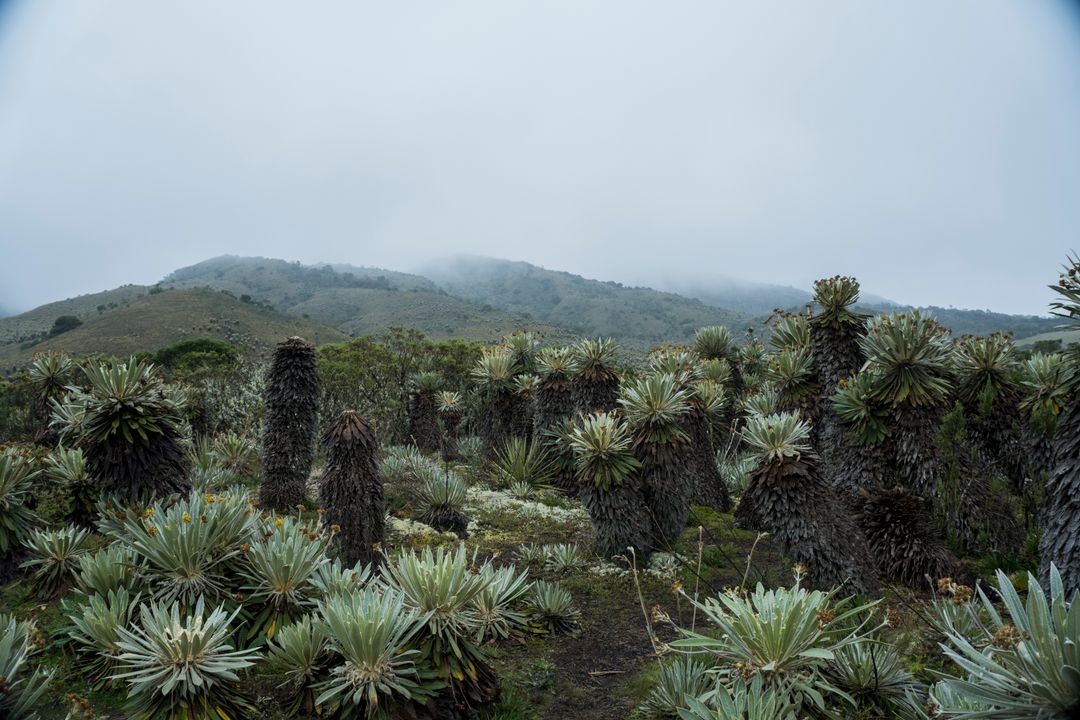
Psocids are opportunistic colonizers of moist microhabitats. In the Amazon basin they thrive on decaying leaf litter, while in the Andean cloud forests they cling to lichen‑covered bark where humidity stays above 80 %.
By grazing on fungal spores and algae, they help keep bark surfaces clean, indirectly supporting the health of trees. Their waste, rich in nitrogen, fertilizes the thin layer of mosses and lichens they share space with—an elegant example of a micro‑ecosystem loop.
How to Spot the Most Common Species
Identifying psocids can feel like solving a tiny puzzle, but a few visual cues go a long way.
- Wing shape: Psococerastis species have broad, transparent wings with a faint network of veins; Trichadenotecnum often shows shorter, more rounded wings.
- Body coloration: Many lowland species are pale brown to gray, blending with bark; high‑altitude forms may exhibit a slightly greenish hue from the algae they consume.
- Antenna length: Look for antennae that extend beyond the tip of the abdomen—typical of most psocids—but note that some mountain species have noticeably shortened segments.
- Setae patterns: The fine hairs on the thorax can form distinct rows; counting these rows under a hand lens often narrows the genus.
When in doubt, collect a specimen and compare it to high‑resolution images in the “Psocidae of Colombia” database hosted by the National University of Colombia. The site includes line drawings that highlight minute differences in the male genitalia—a key taxonomic feature for experts.
Collecting and Observing Tips
Patience, a gentle eye, and a few basic tools are all you need.
- Carry a lightweight hand lens (10×–15×) and a fine‑toothed brush for gently coaxing insects onto a white sheet of paper.
- Target humid mornings after a light rain; psocids emerge from hidden crevices to feed.
- Use a sweep net with fine mesh over low vegetation and mossy branches—one quick sweep often yields dozens of individuals.
- For ethical collecting, limit yourself to a handful of specimens per site, especially when dealing with endemic species.
After capture, place insects in a vial with a few drops of ethanol for short‑term preservation. If you prefer to observe live behavior, a shallow dish with a moist leaf fragment can keep them active for several hours.
Conservation Concerns
Although barklice are not charismatic megafauna, they are sensitive indicators of micro‑climatic changes. Deforestation in the Chocó region has already led to the loss of several locally endemic psocid species, simply because the humid bark habitats they depend on vanish.
Climate‑driven shifts in cloud cover also threaten high‑altitude populations. A modest rise in temperature can reduce humidity, forcing wingless species to retreat uphill—until there is nowhere left to go.
Supporting broader forest protection initiatives indirectly safeguards these tiny insects, preserving the intricate food web they help maintain.
Research and Practical Uses
Beyond their ecological role, psocids serve as model organisms in studies of insect morphology and evolutionary adaptation. Their simple body plan makes them ideal for examining the genetics of wing development, especially in species that have independently lost flight.
In some rural Colombian communities, barklice are considered natural cleaners for stored grain, as they consume mold spores without damaging the product. While not a mainstream pest‑control method, the observation has sparked interest in developing bio‑based storage solutions.
Quick Reference Checklist
- Typical size: 2–5 mm.
- Preferred humidity: ≥80 %.
- Key genera: Psococerastis, Trichadenotecnum, Caecilius.
- Distinctive traits: fine setae, elongated antennae, membranous wings (when present).
- Conservation status: many endemic species vulnerable to habitat loss.