Discover Virginia: History, Culture, and Must‑See Attractions
A Brief Walk Through Virginia’s Past
Long before the first English ships dropped anchor at Jamestown in 1607, the land that is now Virginia thrummed with the lives of Powhatan, Monacan, and other Indigenous peoples. Those early settlements set the stage for a colonial experiment that would shape an entire nation.
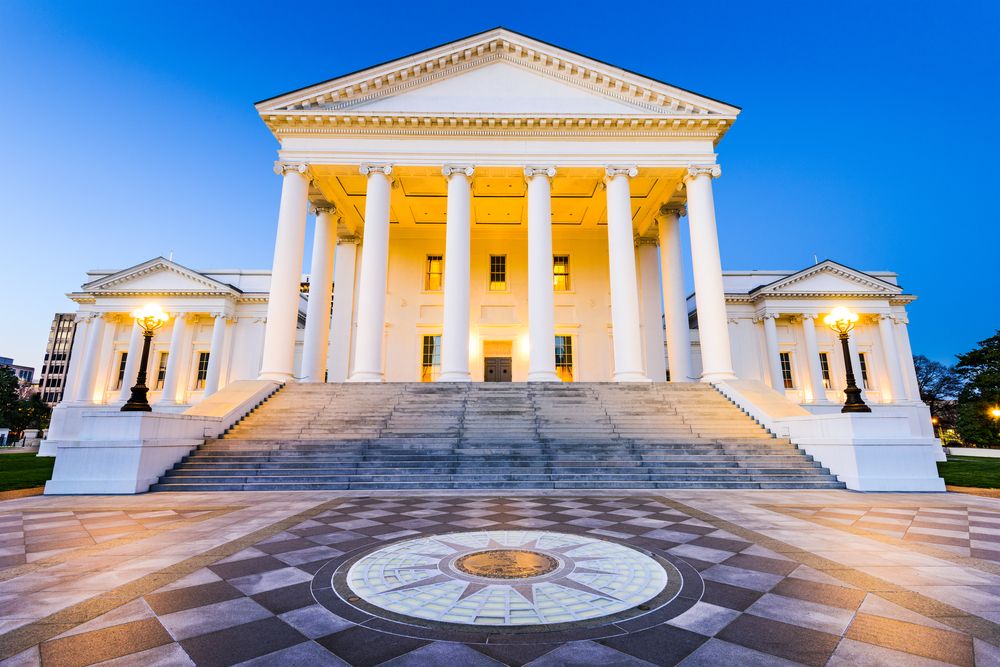
The Revolution turned Virginia into a political powerhouse; figures like Thomas Jefferson, James Madison, and Patrick Henry drafted the Declaration of Independence and the Bill of Rights on the very soil that later became the capital of a new republic. By the time the Civil War erupted, the Commonwealth was a battlefield of ideas and armies, a paradox of liberty and slavery that still echoes through its historic sites.
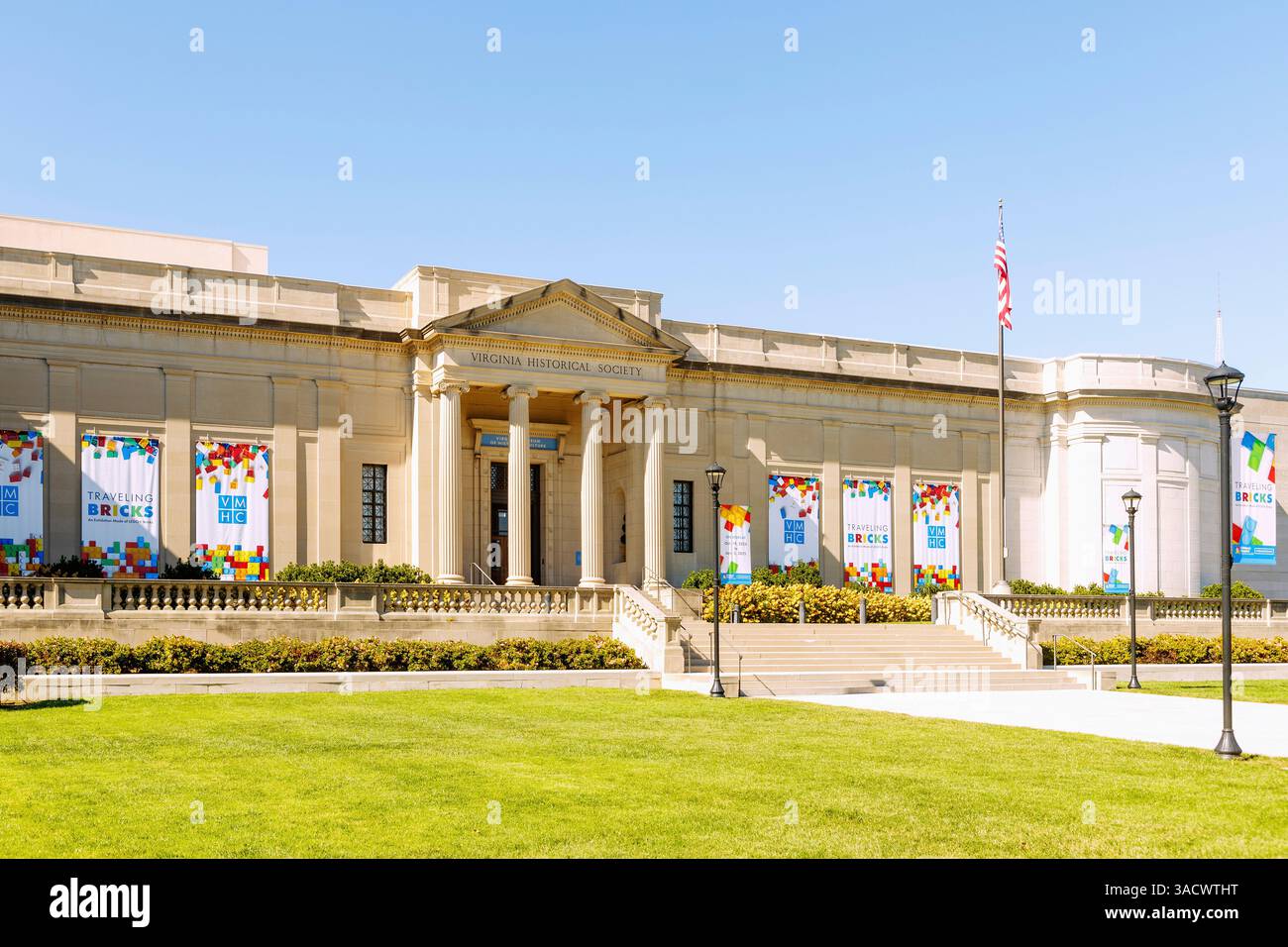
Preserving that layered past is more than a hobby for Virginians—it’s a civic duty. Museums, battlefields, and restored plantations invite visitors to step into the contradictions and triumphs that define the state’s story.
Cultural Threads That Weave the Commonwealth
Virginia’s culture is a patchwork stitched from Appalachian folk traditions, Tidewater aristocracy, and the bustling, multicultural pulse of cities like Richmond and Norfolk. Music drifts from bluegrass jam sessions in the Shenandoah Valley to jazz improvisations on the waterfront of the James River.
Food lovers find a culinary map as varied as the geography. The humble “ham biscuit” sits beside refined farm‑to‑table tasting menus that source heirloom tomatoes from Charlottesville farms. And don’t overlook the oyster shacks of the Chesapeake Bay, where salty breezes and fresh shells are part of the local identity.
The arts thrive in unexpected corners: a glassblowing studio in Floyd County, a mural collective revitalizing downtown Roanoke, and the annual Virginia Film Festival that draws indie creators from around the globe. All of these threads converge in a cultural fabric that feels both historic and constantly evolving.
Top Attractions for First‑Time Visitors
If you’re planning a trip, the state offers a menu of experiences that cater to history buffs, nature seekers, and anyone in between. Below are a few must‑see stops, each with its own story to tell.
Historic Sites that Speak Volumes
- Colonial Williamsburg – A living museum where cobblestone streets, costumed interpreters, and restored buildings recreate the 18th‑century capital of the American colonies.
- Mount Vernon – George Washington’s riverside estate offers insight into the first president’s private life, complete with gardens, a working farm, and a museum of early American technology.
- Monticello – Jefferson’s architectural masterpiece showcases his fascination with classical design, while the surrounding grounds reveal a complex legacy of slavery and innovation.
Natural Wonders Worth the Detour
- Shenandoah National Park – Skyline Drive winds through forested ridges, providing panoramic views that change with every season; hikers can explore over 500 miles of trails.
- Virginia Beach Boardwalk – Stretching 3 miles along the Atlantic, the boardwalk blends sun‑soaked sand with lively street performers, seafood shacks, and a vibrant nightlife.
- Chesapeake Bay’s Eastern Shore – Kayakers and birdwatchers flock to this tranquil stretch, where salt marshes host migratory waterfowl and historic lighthouses guard the coast.
Cultural Hotspots Not to Miss
- Virginia Museum of Fine Arts (Richmond) – Home to more than 35,000 works, the museum balances European masters with contemporary African American art, reflecting the state’s diverse narratives.
- Old Town Alexandria – Cobblestone streets, boutique shops, and waterfront dining create a charming blend of colonial heritage and modern flair.
- Blue Ridge Parkway – Often called “America’s favorite drive,” this scenic corridor showcases mountain vistas, folk art installations, and seasonal festivals that celebrate Appalachian traditions.
Each destination offers a glimpse into the tapestry that makes Virginia unique—an interplay of past and present, nature and nurture, quiet towns and bustling cities.
Practical Tips for an Authentic Experience
Timing can shape your adventure. Spring brings blooming dogwoods and milder crowds at historic sites, while fall paints the Blue Ridge in fiery reds and golds, ideal for photography enthusiasts. Summer, though busy on the beach, also hosts a raft of music festivals that showcase local talent.
Getting around is relatively straightforward. Major highways like I‑95 and I‑64 connect the coastal regions to the interior, but consider renting a car if you want to explore the more secluded mountain towns. Public transportation exists in larger cities, yet many of the state’s hidden gems are best reached by road.
Finally, engage with locals whenever you can. A conversation with a farmer at a roadside market or a chat with a guide at a battlefield can reveal stories that guidebooks simply don’t capture. Those spontaneous moments often become the most memorable part of a Virginian journey.