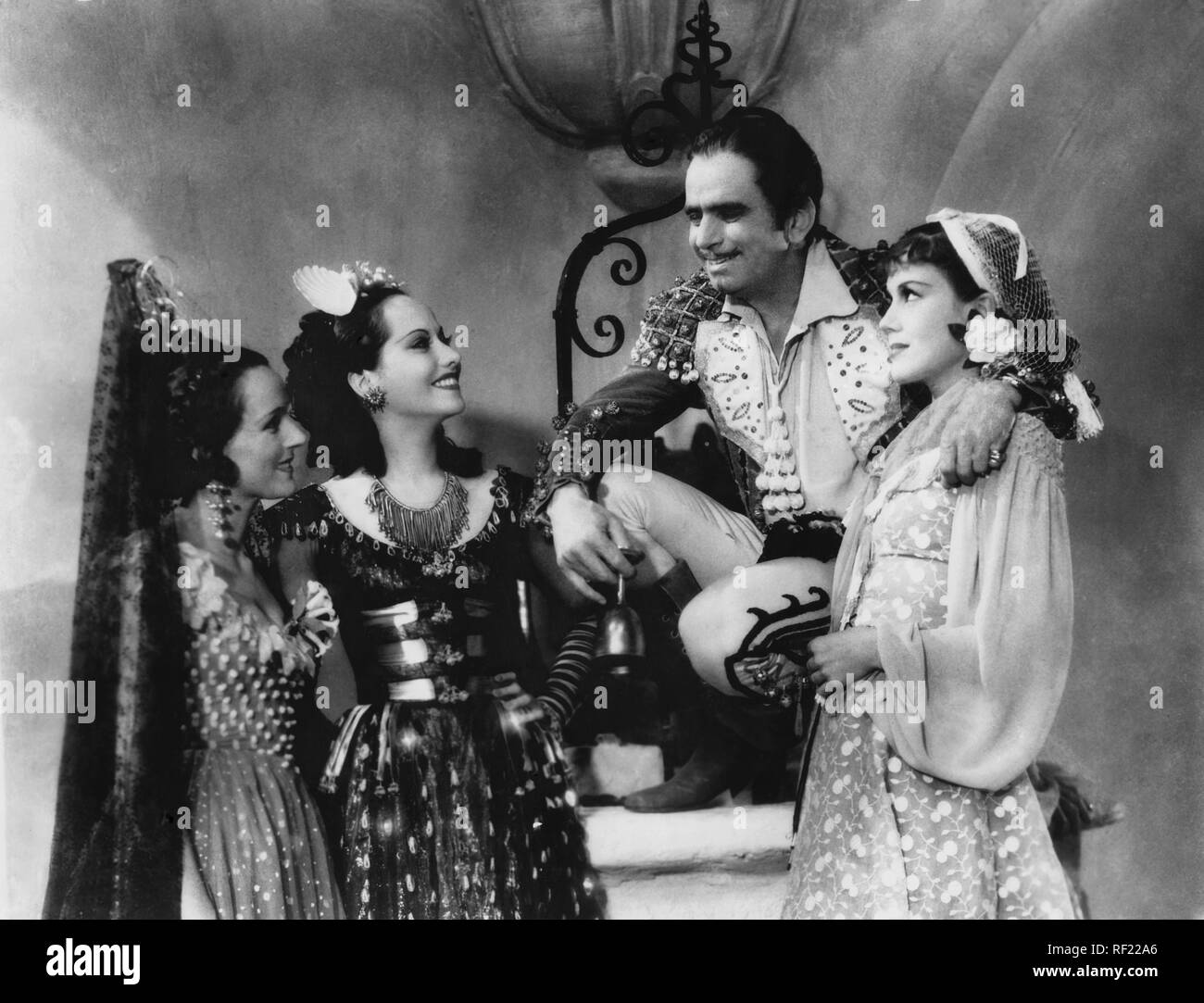
Don Juan: The Enduring Allure of the Ultimate Seducer
There is a name that echoes through centuries of romance, tragedy, and cultural obsession. When we whisper Don Juan, we aren’t just recalling a fictional character. We are invoking a complex archetype that defines how society views seduction, desire, and the consequences of unchecked passion. But who was the man behind the myth? And why does his legacy remain so potent in our modern understanding of romance?
Originating from Spanish folklore, the figure of Don Juan is far more than a lucky lover. He represents a fundamental tension in human nature: the clash between divine morality and earthly indulgence. To understand this iconic seducer, we have to look past the smooth-talking stereotypes and examine the literary, psychological, and cultural layers that build his timeless legacy.
From Folklore to Literary Masterpiece
The roots of Don Juan stretch back to the late 16th century, appearing in minor references in works by Lope de Vega and Tirso de Molina. However, it was Tirso’s 1630 play, El Burlador de Sevilla (The Trickster of Seville), that cemented the character in literary history. In this original narrative, Don Juan is not merely a romantic hero. He is a blasphemer, a murderer, and a man who openly defies both social order and divine authority.
This early portrayal is crucial. It establishes the core dynamic that defines the archetype: the seducer who treats romance as a conquest rather than a connection. Later writers, most notably Lord Byron with his famous poem Don Juan, flipped this script entirely. Byron’s Juan is often passive, swept along by circumstance, and portrayed with a sympathetic, almost innocent charm. This duality—the predatory aristocrat versus the romantic victim—creates a versatile character that authors can mold to fit any era’s moral concerns.
The Psychology of the Seducer
Why does the Don Juan archetype resonate so deeply? Psychologically, he taps into deep-seated human fascinations with power, freedom, and rebellion. He represents the ultimate escape from social constraints. For many readers and audiences, he is a fantasy of unchecked agency.
- Charisma as Power: Don Juan demonstrates the belief that charm can override consequences. It is a seductive idea that personality alone can bend reality to one’s will.
- The Fear of Intimacy: Beneath the bravado, many interpretations suggest Don Juan is incapable of true intimacy. His constant pursuit of new conquests is often a defense mechanism against vulnerability.
- Moral Transgression: There is a thrill in watching a character challenge established norms. Whether viewed as a villain or a hero, he forces audiences to question the rigidity of social and religious laws.
This psychological complexity allows Don Juan to remain relevant. In the modern dating age, where "players" and emotional unavailability are common discussions, the archetype serves as a cultural mirror. We recognize the behaviors because they still exist, even if the context has shifted from 17th-century Seville to contemporary dating apps.
Evolving Interpretations Across Media
The legacy of Don Juan has never been static. Each generation reshapes him to reflect its own values. In the 19th century, he was often a symbol of aristocratic decay. In the 20th century, filmmakers and writers began to explore his humanity. Mozart’s opera Don Giovanni adds a layer of operatic grandeur and musical tension, turning the statue’s silent judgment into one of the most powerful scenes in Western art.
Modern adaptations often deconstruct the myth. Instead of celebrating his conquests, contemporary stories frequently highlight the damage he leaves in his wake. This shift reflects a broader cultural move toward accountability and empathy. We no longer view the "seducer" purely with admiration. We analyze him with skepticism, recognizing the toxicity often inherent in the pursuit of endless validation.
Why the Legacy Persists
What ensures that Don Juan won’t fade into obscurity? It is his adaptability. He is a vessel for our collective anxieties about desire. As long as society grapples with the balance between freedom and responsibility, the Don Juan archetype will remain relevant.
We use the name to describe behaviors that range from flirtatious charm to emotional manipulation. This linguistic ubiquity proves his embeddedness in our cultural consciousness. He is not just a character from a play; he is a shorthand for a specific type of human interaction. Whether we judge him harshly or envy his freedom, we cannot ignore him.
The timeless legacy of Don Juan lies in his ambiguity. He is neither wholly evil nor purely good. He is a reflection of the shadows we cast when we prioritize desire over duty. In exploring his story, we are ultimately exploring ourselves—our capacity for love, our appetite for rebellion, and our fear of being trapped by the consequences of our own choices.
Frequently Asked Questions
Who created the character of Don Juan?
While earlier references exist, the character was fully developed by the Spanish playwright Tirso de Molina in his 1630 work El Burlador de Sevilla. He is widely credited with establishing the core traits of the seducer archetype.
Is Don Juan a real historical figure?
No, Don Juan is a fictional character. However, some historians speculate he may have been loosely inspired by Juan Manuel de Rojas y Lasso de la Vega, a Spanish nobleman accused of numerous crimes in the late 16th century.
How did Lord Byron change the Don Juan myth?
Lord Byron’s Don Juan reimagined the character as a passive observer rather than an active aggressor. This shifted the focus from moral punishment to social satire, influencing how the character has been portrayed in literature and film ever since.
Why is the Don Juan archetype still relevant today?
The archetype remains relevant because it addresses universal human themes: desire, freedom, morality, and the consequences of action. In modern contexts, he represents discussions around emotional availability, power dynamics in relationships, and societal expectations of masculinity and romance.