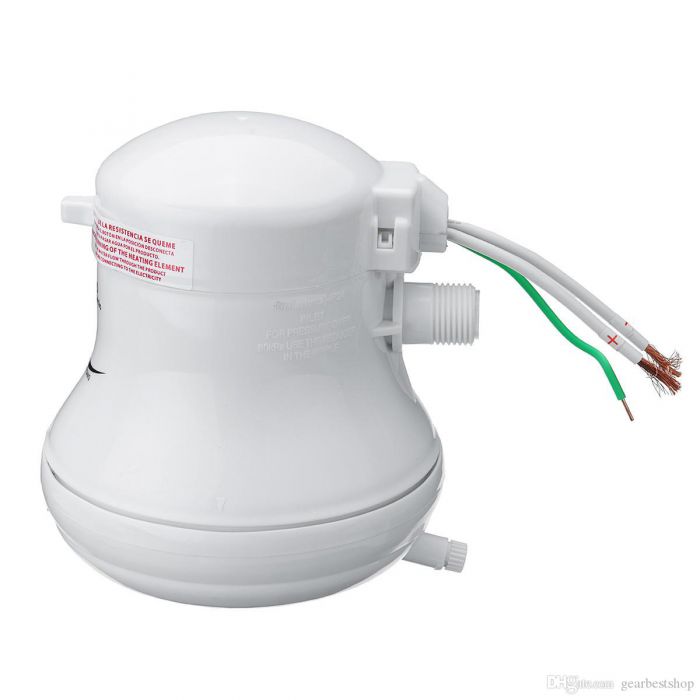
Electric Shower‑Head Water Heaters: How They Work & What to Know
What Is an Electric Shower‑Head Water Heater?
At its core, an electric shower‑head water heater is a compact unit that sits directly in or just behind the shower fixture. Unlike a conventional boiler that stores a large volume of hot water in a tank, this device heats water instantly as it passes through the shower head. The result is a continuous flow of warm water without the wait for a tank to fill or the risk of running out mid‑shower. For many homeowners, especially those with limited space, it offers a sleek, energy‑savvy alternative.
How Does the System Heat Water on Demand?
The magic happens thanks to a combination of a heating element, a flow sensor, and a thermostat. When you turn the tap on, the flow sensor detects water movement and signals the heating element—usually a coil of resistive wire—to start heating. Simultaneously, a thermostat monitors the temperature and adjusts the element’s power to maintain your chosen setting, typically between 35 °C and 55 °C. Because the water is heated only while it’s flowing, energy consumption aligns closely with actual usage.
Core Components
- Heating Element: Often made of stainless steel or copper, it converts electrical energy into heat.
- Flow Sensor: A small turbine or ultrasonic device that triggers the heating cycle.
- Thermostat Control: Allows you to set the desired temperature and prevents overheating.
- Safety Cut‑Off: An over‑heat protection circuit that shuts the unit down if water flow stops.
Benefits Over Traditional Tank Heaters
Because there’s no storage tank, an electric shower‑head heater eliminates standby heat loss—energy that would otherwise escape from a hot‑water cylinder. This translates to lower electricity bills, especially in homes where showers are the primary hot‑water demand. The units are also considerably smaller, freeing up space in bathrooms that might otherwise be occupied by a bulky tank. Finally, the on‑demand nature means you get a consistent temperature, avoiding the dreaded “cold shock” that can happen when a tank runs low.
Choosing the Right Model for Your Bathroom
When shopping, three specs deserve close attention. First, the power rating, measured in kilowatts (kW), determines how quickly the unit can raise water temperature; a 6 kW model is common for a single‑person shower, while a 9 kW or higher unit suits larger flows. Second, the flow rate, expressed in litres per minute (L/min), should match your preferred water pressure—most modern units handle 7–12 L/min comfortably. Third, look for certifications such as CE marking or local safety approvals, which assure compliance with electrical standards.
Installation Tips and Safety Considerations
Even though the device is compact, proper installation is crucial for both performance and safety. Here are a few pointers:
- Hire a qualified electrician to handle the wiring; the unit typically requires a dedicated circuit with a suitable fuse.
- Ensure the water supply is adequately pressurised; low pressure can cause the flow sensor to misread and the heater to shut off.
- Mount the heater where it can be easily accessed for maintenance, yet away from direct splashes to protect electrical connections.
- Install a ground‑fault circuit interrupter (GFCI) to guard against accidental electric shocks.
Maintenance and Troubleshooting Basics
These heaters are designed for low‑maintenance operation, but a few routine checks can prolong their life. Descaling is the most common task, especially in areas with hard water; follow the manufacturer’s instructions to run a vinegar solution through the unit once a year. If you notice a sudden drop in water temperature, verify that the flow sensor isn’t blocked and that the circuit breaker hasn’t tripped. Persistent issues may indicate a failing heating element, which generally requires professional replacement.
Frequently Asked Questions
- Can an electric shower‑head water heater be used with existing plumbing? Yes, most models are designed to replace a standard shower head without altering the underlying pipework, though you may need to adjust the water pressure.
- Is it safe to install the unit near a bathtub? As long as the installation follows local electrical codes and includes a GFCI, the risk is minimal. Always keep the unit’s electrical connections dry.
- Will the heater work during a power outage? No; because it relies on electricity to generate heat, it won’t provide hot water without power. Some homeowners pair it with a small backup battery, but that adds complexity and cost.