Essential Karate Gear: A Smart Guide to Online Shopping
Stepping onto the mat for your first belt test or simply looking to replace a worn-out gi can feel less like shopping and more like navigating a maze of jargon and conflicting advice. The martial arts world is steeped in tradition, but buying karate equipment online is a very modern problem. When you can’t touch the fabric or check the stitching quality in person, how do you ensure you’re not wasting money on gear that falls apart after two months?
It starts with understanding that not all gear is created equal, and "online" doesn't have to mean "risky." By knowing what to look for, you can build a kit that lasts. Whether you’re a white belt just starting out or a black belt focused on competition, this guide will help you navigate the virtual dojo with confidence.
Decoding the Gi: Fabric, Weave, and Weight
Let’s face it: your gi is the most visible and functional piece of equipment you’ll own. But when you’re scrolling through an e-commerce site, specs like "12 oz" or "pearl Weave" can look like gibberish. Don’t let them intimidate you.
First, consider the weight. Heavyweight gis (10–18 oz) are staples for karate styles like Shotokan. They are stiff, durable, and hold their shape during rigorous kata forms. However, they take longer to dry and can feel restrictive if you run hot. Lightweight gis (6–9 oz) are common in Taekwondo or for indoor training where temperature control is good. They move freely and dry quickly but may not survive the rough-and-tumble of intense sparring.
Then there’s the weave. Smooth Weave is durable but thinner, while Perl Weave offers a balance of breathability and strength. Premium gis often feature a triple-weave jacket for maximum durability, though these are heavier and pricier. Always check the material composition. 100% cotton is traditional and durable but shrinks. Cotton-poly blends resist shrinking and dry faster, making them low-maintenance hacks for busy practitioners.
Protective Gear: Safety Over Style
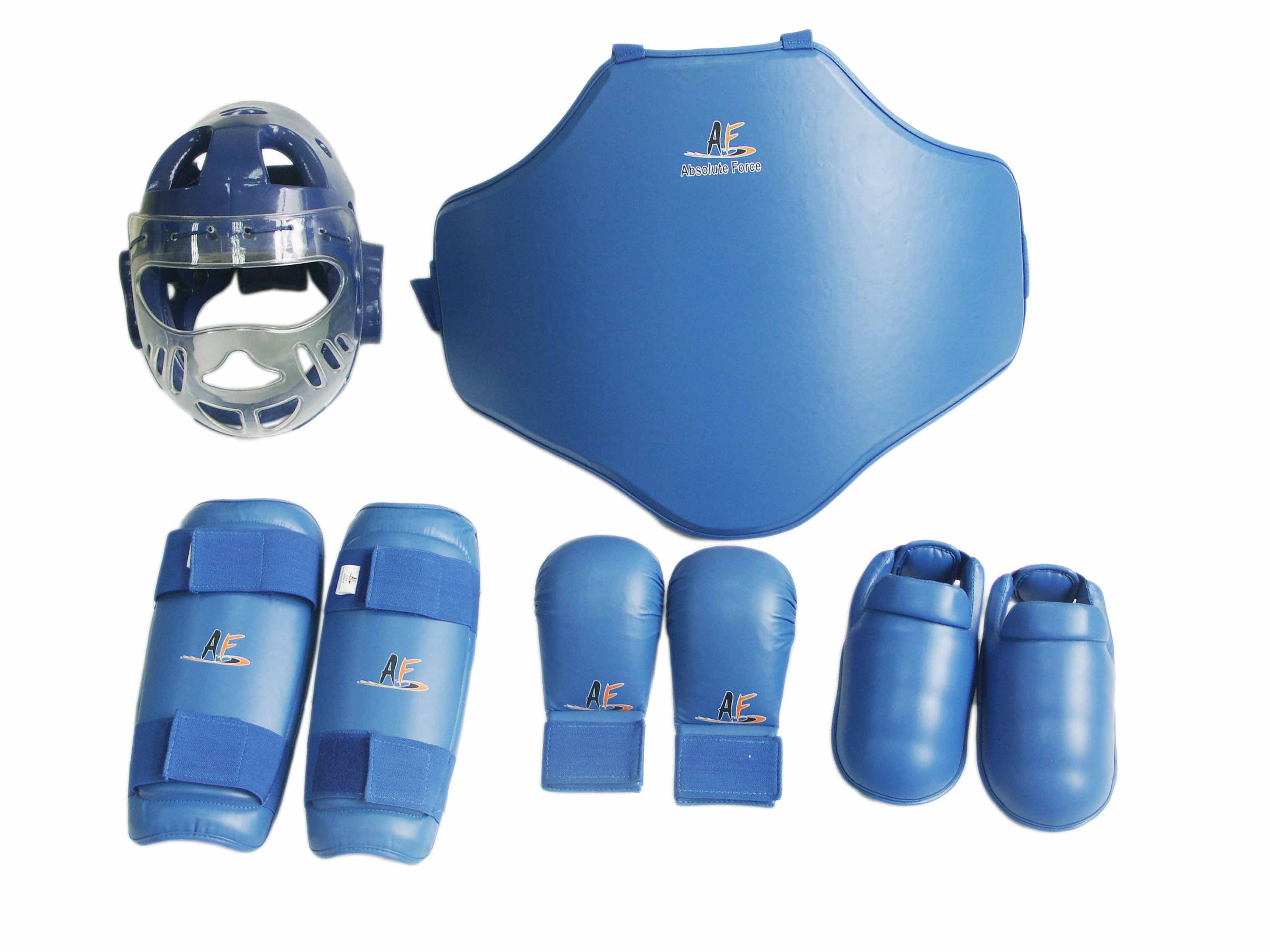
If you’re transitioning to kumite (sparring), protective equipment isn’t optional—it’s mandatory. And unlike a gi, cheap protective gear can actually cause injury rather than prevent it. Here’s what you need to verify before hitting "add to cart":
- Mouthguards: Buy a boil-and-bite guard or, better yet, have a dentist make a custom one. Stock guards from a sports store often fall out during high-impact drills.
- Headgear: Look for full-head gear with ear protection. Ensure it has ventilation holes so you don’t overheat. It should fit snugly without obscuring your peripheral vision.
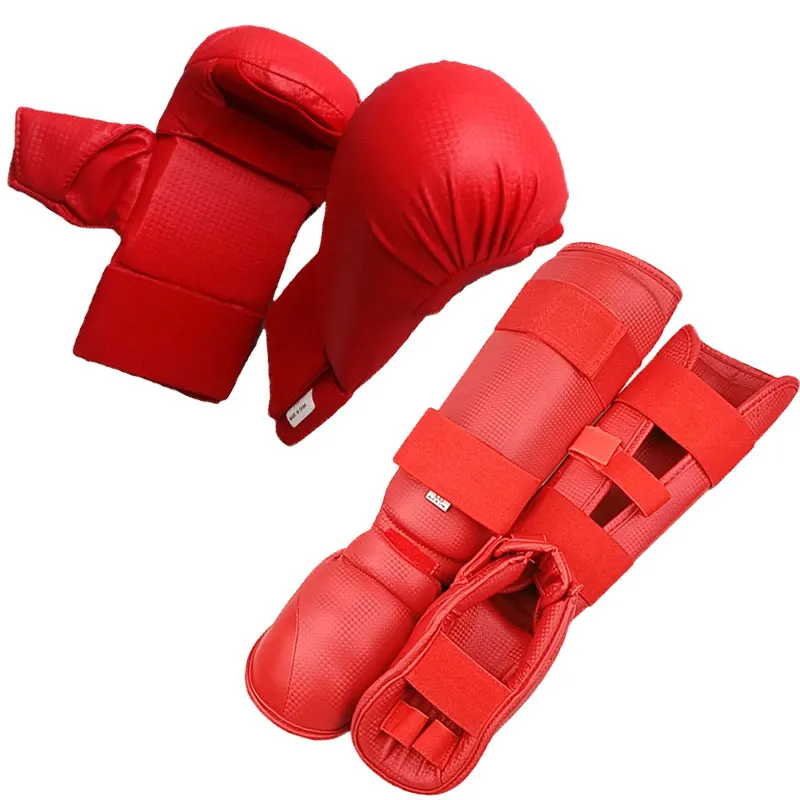
- Foot Pads: Kara-pad foot pads are essential if your dojo allows barefoot sparring. They protect your small toes from accidental kicks. Look for ones with grippy soles to prevent slipping on the mat.
- Hand and Shin Guards: Check for density. Thin foam might look sleek, but it won’t absorb high-kick impact. Denser foam adds bulk but saves your bones.
Never compromise on safety gear to save five dollars. Brands that specialize in martial arts or reputable combat sports brands usually undergo better impact testing than generic athletic goods.
Navigating Online Reviews and Sizing Charts
The biggest pitfall in online shopping is sizing. A "Medium" in one brand might be an "Extra Large" in another. Do not rely on your t-shirt size. Instead, measure your height, weight, and sometimes chest width or inseam, depending on the brand’s specific chart.
When reading reviews, ignore the one-star complaints about "color variation" unless it’s outrageous. Look for patterns in feedback. If three people say the pants are too long or the sleeves are tight, that’s a data point you can use. Also, check for photos uploaded by buyers. Seeing the gi on a real person with a similar body type to yours is infinitely more helpful than a sterile studio model shot.
Shipping Times and Return Policies
Timing is everything. If your belt test is in three weeks, ordering a gi from a smaller, independent brand that ships from overseas might result in you receiving it the day after the event. Check shipping estimates carefully. For urgent needs, local shops with online fronts or faster domestic shipping options are safer bets, even if they cost slightly more.
Always read the return policy. Some specialty martial arts stores have final sale items, especially after sanitization. Others offer a 30-day window. If you’re buying for a child who might outgrow the gear in six months, understanding the exchange options can save you from being stuck with a unused item.
FAQ: Common Questions About Buying Karate Gear
Do I need specialized shoes for karate?
Most traditional karate is practiced barefoot or with light karate socks. Shoes are generally only used for specific styles, kumite in colder environments, or for dojo etiquette in certain lines. Check with your sensei first; usually, dedicated karate shoes are optional for beginners.
Can I wash my gi in hot water?
Unless you’re trying to shrink a too-large jacket rapidly, avoid hot water. It damages the fibers over time, causing the fabric to weaken and the color to fade. Cold or warm water with mild detergent is ideal. Air drying is best to maintain the weave’s integrity.
Is it worth buying premium gear right away?
If you’re just starting, no. You’ll likely outgrow your initial gear (both physically and in skill level) within a year. Start with mid-range, durable cotton. Upgrade to premium, brand-specific gear once you find a style you’re committed to long-term.
Where is safe to buy authentic gear?
Stick to websites affiliated with major martial arts brands or specialty martial arts retailers. Avoid random listings on massive general marketplaces where counterfeits are rampant. If the price seems too good to be true for a branded item, it probably is.
Shopping for karate equipment online requires a bit more due diligence than grabbing a pair of running shoes, but it’s manageable. By focusing on fabric quality, accurate sizing, and reputable sources, you can ensure that your gear supports your training rather than hindering it. Remember, the best gear is the gear you wear comfortably so you can focus entirely on your technique.