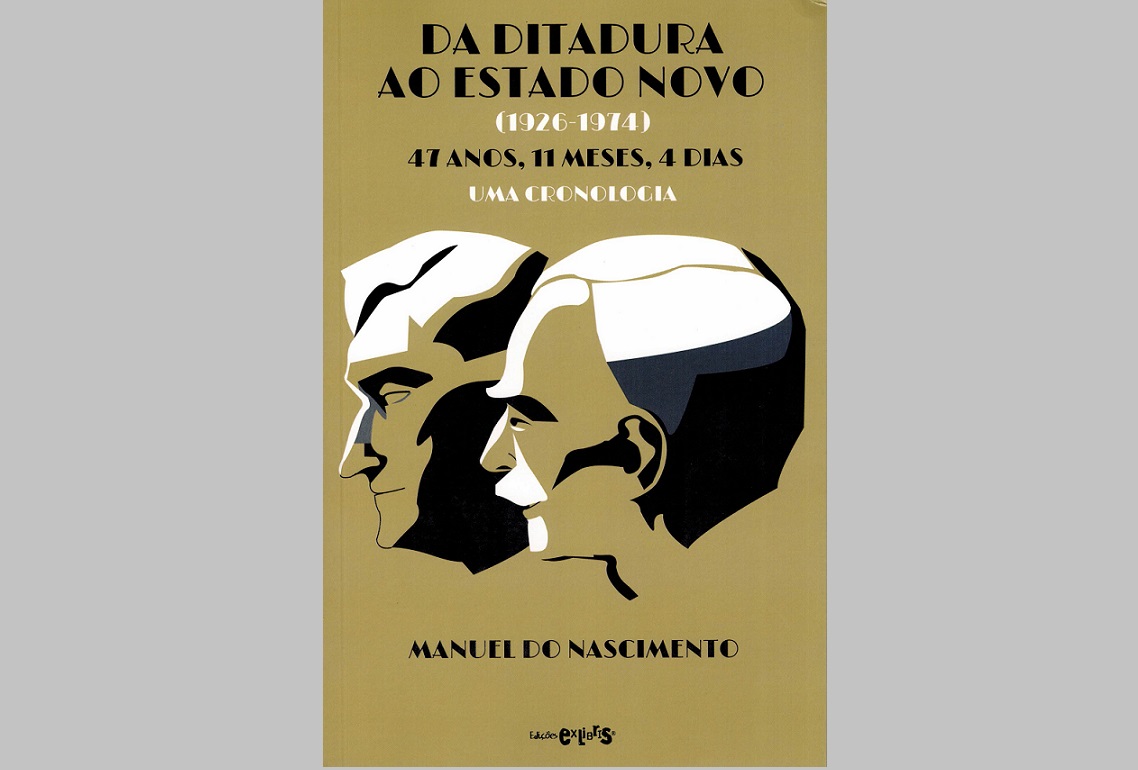
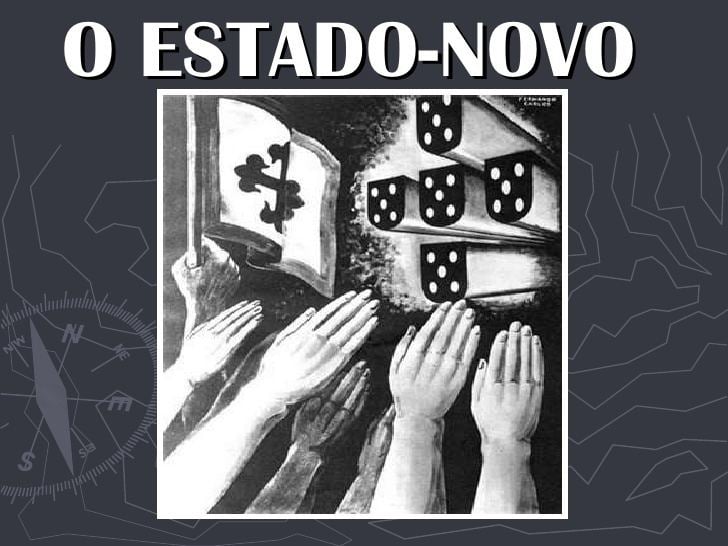
Estado Novo In Portugal: A New Era Begins
Portugal, a country with a rich history and diverse cultural heritage, underwent a significant transformation in the 20th century with the establishment of the Estado Novo (New State) regime. This period, which lasted from 1933 to 1974, was marked by authoritarian rule, economic growth, and social change. In this article, we will delve into the history of the Estado Novo in Portugal, its key characteristics, and the impact it had on the country and its people.
The Estado Novo was born out of the instability and chaos that followed the Portuguese First Republic, which was plagued by political turmoil, economic crisis, and social unrest. In 1926, a military coup led by General Manuel de Oliveira Gomes da Costa overthrew the democratic government, paving the way for the rise of António de Oliveira Salazar, a charismatic and cunning politician who would become the architect of the Estado Novo. Salazar, a professor of economics at the University of Coimbra, was appointed as the Minister of Finance in 1928 and quickly gained prominence due to his ability to stabilize the economy and implement fiscal discipline.
Key Characteristics of the Estado Novo
The Estado Novo was characterized by a unique blend of authoritarianism, nationalism, and corporatism. Salazar, who became the Prime Minister in 1932, established a regime that was marked by a strong centralized government, suppression of political opposition, and strict control over the media and civil society. The regime also promoted a nationalist ideology that emphasized the importance of Portuguese identity, history, and culture. The corporatist system, which was inspired by fascist Italy, organized the economy into corporative bodies that represented different sectors of society, such as workers, employers, and farmers.
- Authoritarian rule: The Estado Novo was marked by a strong centralized government and suppression of political opposition.
- Nationalism: The regime promoted a nationalist ideology that emphasized the importance of Portuguese identity, history, and culture.
- Corporatism: The corporatist system organized the economy into corporative bodies that represented different sectors of society.
Economic Growth and Social Change
Despite its authoritarian nature, the Estado Novo oversaw a period of significant economic growth and social change in Portugal. The regime implemented a series of development plans that focused on modernizing the country's infrastructure, promoting industrialization, and expanding education and healthcare. The economy grew rapidly, and Portugal experienced a period of unprecedented prosperity. However, this growth was accompanied by significant social and economic inequalities, and the regime's authoritarian nature limited the ability of workers and opposition groups to organize and demand better working conditions and social justice.
The Estado Novo also had a profound impact on Portuguese culture and society. The regime promoted a conservative and traditionalist ideology that emphasized the importance of family, religion, and national identity. Women's rights were limited, and the regime discouraged female participation in the workforce. However, the Estado Novo also invested heavily in education and culture, and Portugal experienced a renaissance in literature, art, and music during this period.
Legacy of the Estado Novo
The Estado Novo came to an end in 1974, when a military coup led by a group of left-wing officers overthrew the regime and established a democratic government. The Carnation Revolution, as it came to be known, marked a significant turning point in Portuguese history and paved the way for the country's transition to democracy. Today, Portugal is a thriving democracy and a member of the European Union, and the legacy of the Estado Novo continues to be felt. While the regime's authoritarian nature and social conservatism are widely criticized, its role in promoting economic growth and social change is also recognized. As Portugal continues to navigate the challenges of the 21st century, it is essential to understand the complex and often contradictory history of the Estado Novo and its impact on the country and its people.
In conclusion, the Estado Novo was a significant period in Portuguese history, marked by authoritarian rule, economic growth, and social change. While the regime's legacy is complex and often controversial, it is essential to understand the historical context and the impact it had on the country and its people. As Portugal continues to evolve and grow, it is crucial to learn from the past and build a better future for all citizens.