Everything You Need to Know About Stranger Things Season 4
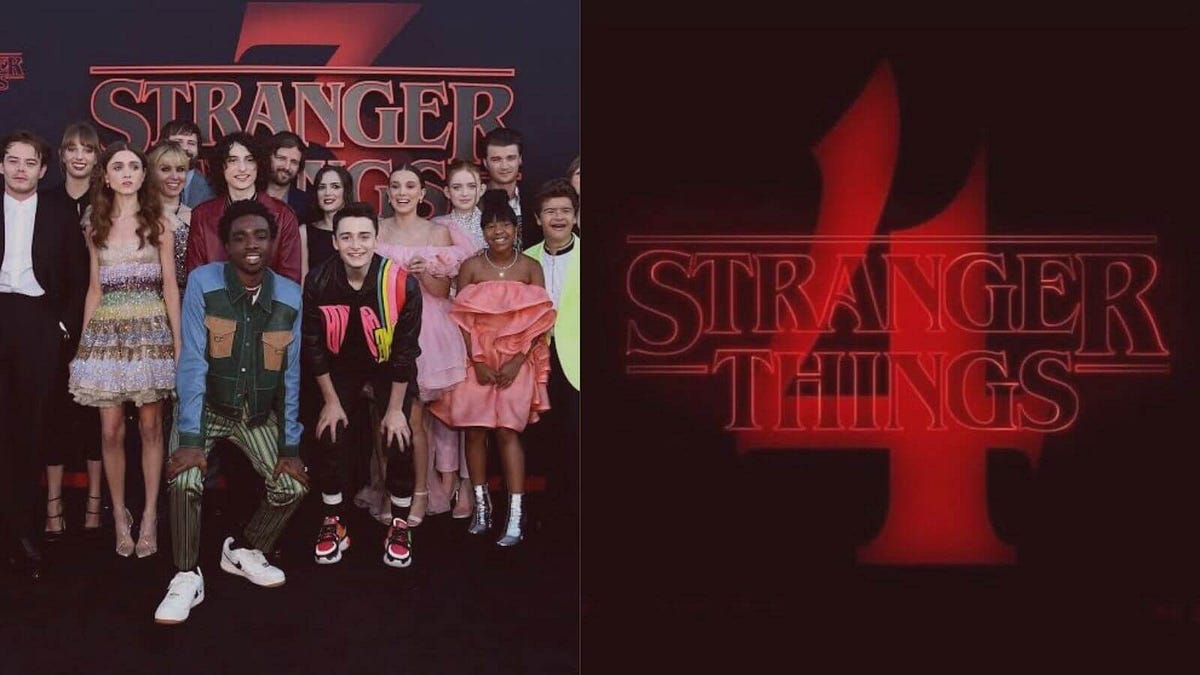
When the Lights Out announcement hit the internet, fans went into a frenzy. The return of the Hawkins crew promised new monsters, deeper mysteries, and a montage of nostalgic 80s homages. By the time the final episode aired, the fourth season had already reshaped the series’ tone, stretched the map of its supernatural universe, and thrown several beloved characters into uncharted territory. If you’re still piecing together what happened—or just want a refresher before the next binge—here’s the rundown.
Where the Story Picks Up
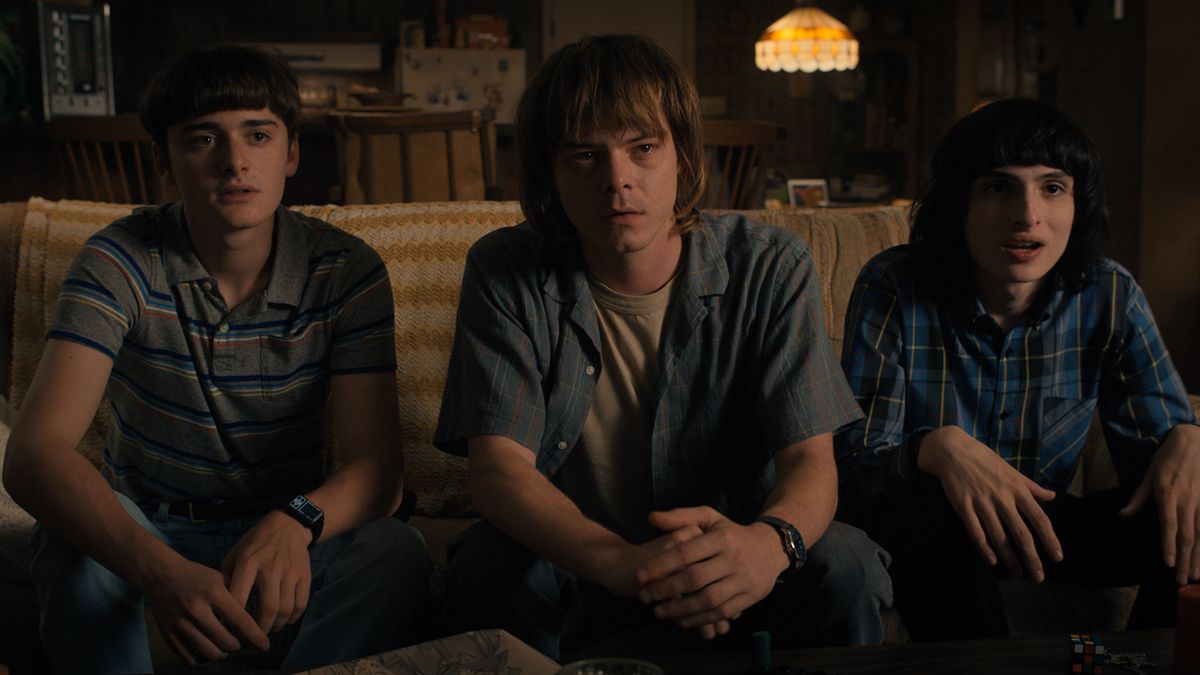
Season 4 opens with a stark contrast to the familiar small‑town vibe of previous years. The kids are no longer congregating around the arcade; they’re split across three continents. Eleven (now called Jane) is living in a quiet California suburb, trying to navigate high school while suppressing her powers. Meanwhile, Mike, Lucas, Max, and Will are still in Hawkins, dealing with the fallout from the Russian portal that burst open in Season 3. And a brand‑new threat is simmering in the depths of the Upside Down—something that feels older, more primal than any creature the town has faced before.
New Settings, Old Feelings
- California’s Sun‑Soaked Suburbia: The shift to a sunny coast gives the series a refreshing visual palette. It also lets us see Eleven’s struggle to fit in when her telekinetic prowess is less of a party trick and more of a hidden weight.
- Russia’s Cold, Dark Lab: A covert Soviet facility provides the series’ most visceral action set‑piece yet. The stark, industrial corridors echo the show’s earlier forays into government conspiracies, but on a grander, more geopolitical scale.
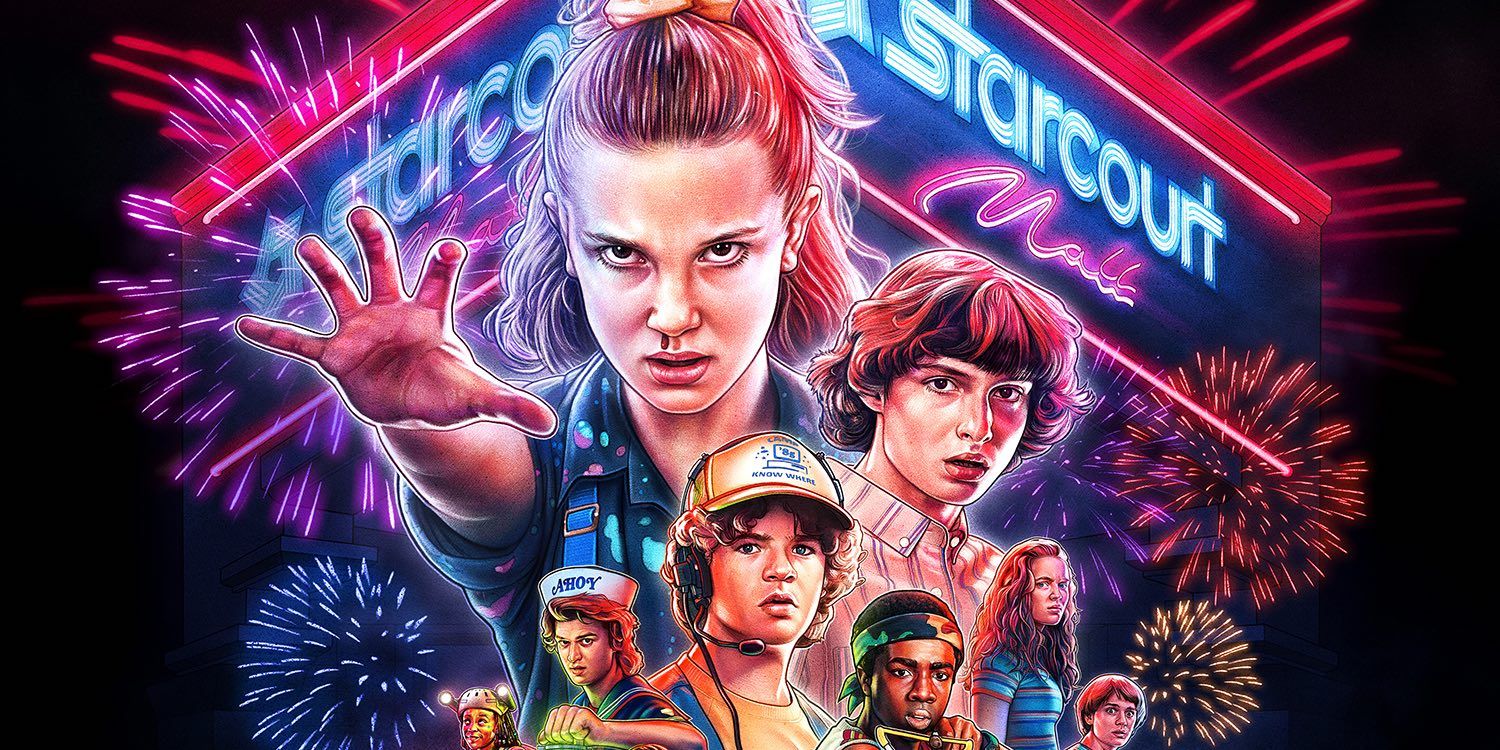
- Hawkins at Dusk: The town is quieter, the mall’s lights are off, and the community is bruised from the previous season’s battle. This lull makes the emergence of the new monster all the more jarring.
The New Villain: Vecna
Fans quickly realized the “new monster” isn’t a creature, but a sentient, psychic horror called Vecna. The name itself is a nod to Dungeons & Dragons, but the character feels deeply rooted in the show’s mythology. Vecna is a human who fell victim to the Upside Down decades ago, becoming a conduit for its corruption. He lures victims by exploiting their deepest traumas, turning their personal nightmares into physical attacks that leave them grotesquely paralyzed.
What makes Vecna terrifying isn’t just his powers; it’s the way the series slowly unravels his backstory. Flashbacks set in 1985 show a teenage Henry Creel, a prodigy who becomes the first test subject after Eleven’s mother, Terry Ives, is abducted for MK‑ULTRA experiments. That history ties Vecna directly to the origins of the Hawkins laboratory, forming a full‑circle moment that rewards long‑time viewers.
Key Plot Twists You Might Have Missed
- Max’s Dark Transformation: After being attacked by Vecna, Max is left in a vegetative state, only to later become a vessel for the monster’s mind‑control. Her sudden aggression in the finale isn’t a betrayal; it’s a symptom of Vecna’s influence.
- The Return of Eddie Munson: The metal‑head leader of the Scoops Ahoy arcade crew meets a heroic end during the Russian showdown. His sacrifice not only saves the group but also cements him as a cult hero—a fate that resonates with the series’ recurring theme of ordinary kids becoming legends.
- Hopper’s Survival: Many assumed Chief Jim Hopper perished in the Russian tunnel, but a later scene reveals he’s alive, trapped in a Soviet prison. This cliffhanger sets up an emotional rescue mission for the next season.
How the Power Dynamics Shift
Eleven’s powers are no longer the series’ sole trump card. By Season 4, the characters discover that “The Gate” is a two‑way street: closing it requires more than brute force; it demands emotional closure. This thematic pivot pushes Mike, Will, and even the older generation—like Dr. Owens—into more strategic roles. The gang now operates like a covert task force, coordinating across time zones and continents with a mix of tech, intuition, and old‑school friendship.
Visual and Musical Highlights
Visually, the season ups the ante with bold color grading: the neon‑glow of the Upside Down contrasts sharply with the muted California sunsets. The Russian sequences borrow from Cold‑War cinema, using tight framing and stark lighting to heighten suspense. Musically, the soundtrack leans heavily on 80s synth‑rock, but it also introduces modern tracks that underscore the characters’ growth. The infamous “Running Up That Hill” moment—when Max’s mind is invaded—became a viral sensation, illustrating how the show’s sound choices still dominate pop culture.
Fan Theories That Gained Traction
Every new episode fuels speculation, and Season 4 was no exception. Two theories stood out:
- Will’s Psychic Link: Some fans argued that Will’s innate sensitivity to the Upside Down made him the perfect conduit for Vecna’s attacks. The theory gained credibility when Will experiences a vision that mirrors Vecna’s own memories.
- The Return of the “Mind Flayer”: While Vecna appears to be a separate entity, subtle visual cues—like the recurring red veins—suggest that the Mind Flayer may have been an earlier incarnation, or at least a fragment of the same larger consciousness.
Both ideas continue to shape fan art and Reddit debates, keeping the conversation alive even during the off‑season.
What This Means for Season 5
Season 4 ends on a rollercoaster of unresolved threads: the Upside Down is expanding, Eleven is re‑learning her abilities, and the town’s safety hangs on a fragile alliance. Expect the next season to explore three main avenues:
- The Hunt for Hopper: Rescuing the chief could involve a daring infiltration of Soviet territory, possibly tying in with Cold‑War anxieties that the series has flirted with before.
- Closing the Gate: The gang will likely need to combine Eleven’s powers with something else—perhaps a new scientific breakthrough or a sacrificial act from an unexpected character.
- Vecna’s Origin: The backstory of Henry Creel promises a deeper look into the very experiments that birthed Eleven. Understanding his transformation could reveal a weakness that the heroes can exploit.
Practical Tips for a Re‑Watch
If you’re planning to dive back in, consider these quick pointers:
- Keep a notebook handy. The timeline jumps—and the Russian subplot—can get confusing on a second watch.
- Pay attention to color cues. The show uses specific hues—bluish shadows for the Upside Down, warm tones for California—to hint at character mood.
- Re‑listen to the soundtrack. Many key scenes use songs that foreshadow plot points; “Running Up That Hill” is a prime example.
Season 4 proves that Stranger Things can still surprise, even after four years of nostalgia‑laden storytelling. By expanding the world beyond Hawkins, deepening the mythos of the Upside Down, and daring to kill off fan‑favorites, the series shows it’s not afraid to grow up alongside its audience. Whether you’re a die‑hard fan or a newcomer catching up before the next batch of monsters emerge, this guide should help you navigate the twists, the terror, and the heart that make the fourth season a standout chapter in the saga.