Explore What Resources Lie Beneath the South China Sea
The South China Sea isn’t just a bustling corridor for ships; it’s also a subterranean treasure chest. From thick layers of oil and gas to mineral‑rich sediments, the basin hides a spectrum of assets that have kept governments and corporations staring at the waves a little longer than usual.
Hidden Hydrocarbons: Oil and Natural Gas
Geological surveys suggest that the sea floor holds vast reservoirs of petroleum and liquefied natural gas. Early exploration in the 1970s hinted at promising yields, but political friction stalled large‑scale development.
- Oil fields — Concentrated around the Spratly and Paracel islands, with estimates ranging from 2 to 7 billion barrels.
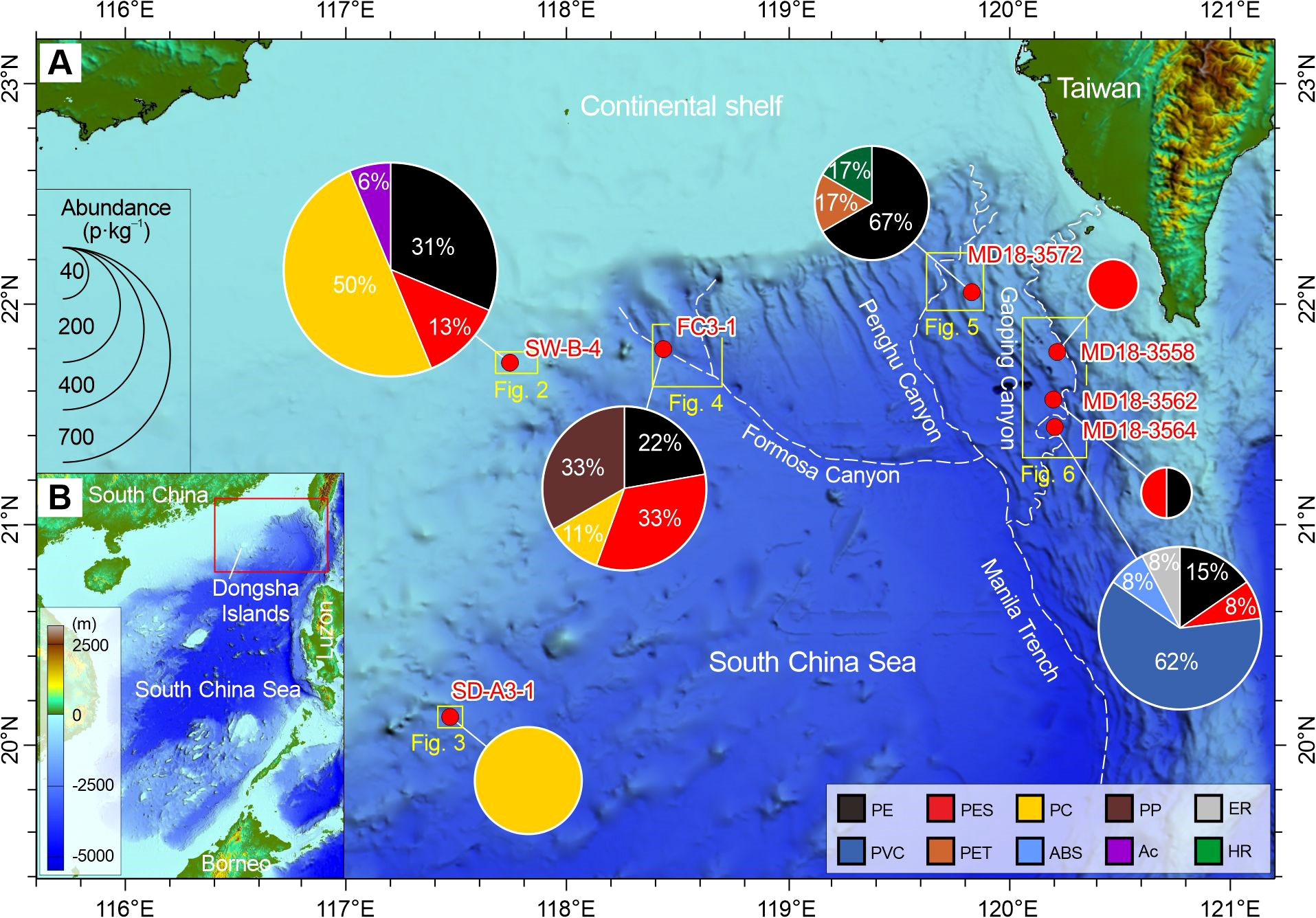
- Natural gas pockets — Particularly in the Luzon Strait, where some analysts project over 10 trillion cubic feet of recoverable gas.
While the exact numbers remain contested, the economic allure is unmistakable. Companies that secure drilling rights stand to tap markets that span from East Asia’s energy‑hungry factories to Europe’s renewable transition.
Technical Hurdles
Deep‑water drilling in this region isn’t a walk on the beach. Depths exceed 5,000 meters in places, demanding advanced offshore platforms and robust safety protocols.
And then there’s the environment. A spill in these biodiverse waters could ripple through fisheries and tourism alike, a risk that makes investors pause.
Marine Minerals and Rare Earth Elements
Beyond hydrocarbons, sediment layers on the seabed are rich in metallic nodules and polymetallic sulphides. These contain copper, zinc, lead, and, crucially, rare earth elements (REEs) essential for electronics, green tech, and defense.
- Polymetallic sulphide deposits — Found near hydrothermal vents, especially around the Mariana and Philippine trenches.
- Phosphorite nodules — Spread across the plateau, offering phosphate for fertilizer production.
- Rare earth concentrations — Measured in pockets that could rival some Australian mines.
Extraction methods are still evolving. Seafloor mining, for instance, raises questions about sediment disruption and the impact on benthic ecosystems.
Fisheries and Biodiversity: An Underappreciated Asset
While minerals and fuels dominate headlines, the biological wealth below and above the water is equally critical. The South China Sea hosts some of the world’s most productive fisheries, supporting billions of meals annually.
Key species include tuna, mackerel, and the ever‑valuable shrimp. Coral reefs, though under stress, still provide habitats that bolster fish stocks and protect coastlines.
- Estimated annual fish catch: 15–20 million tonnes.
- Coral reef coverage: roughly 450,000 hectares, despite bleaching events.
Any disruption—whether from drilling or mining—could reverberate through these delicate food webs, affecting livelihoods far beyond the immediate vicinity.
Geopolitical Implications: Who Controls What?
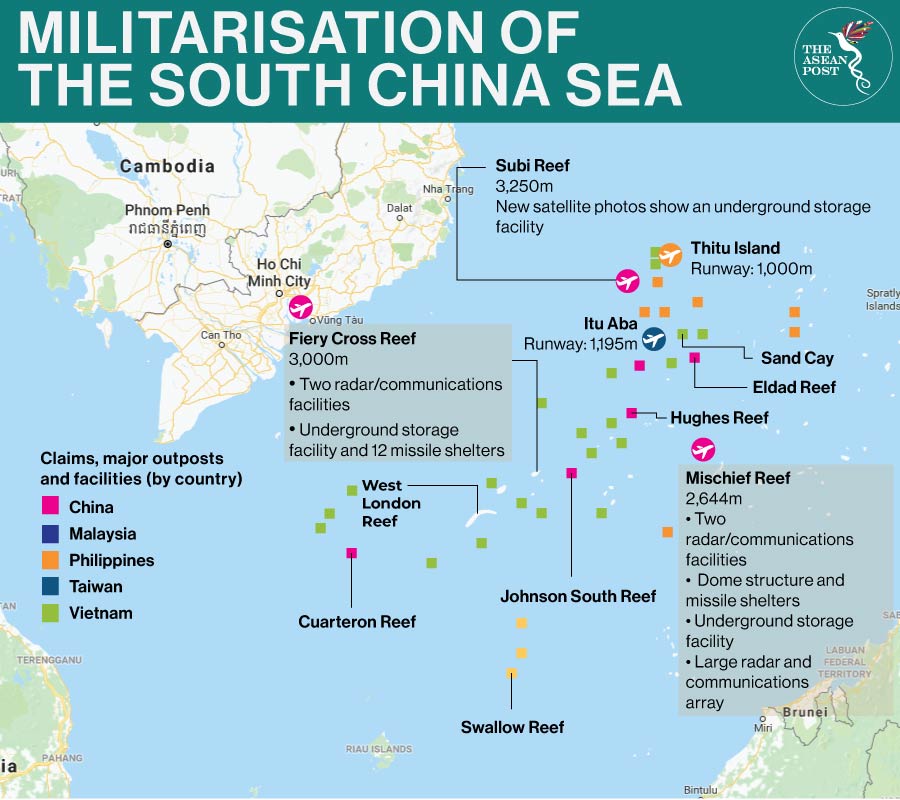
Ownership claims overlap like layers of sediment. China, Vietnam, the Philippines, Malaysia, Brunei, and Taiwan each assert parts of the sea, often backed by historic maps or the United Nations Convention on the Law of the Sea (UNCLOS).
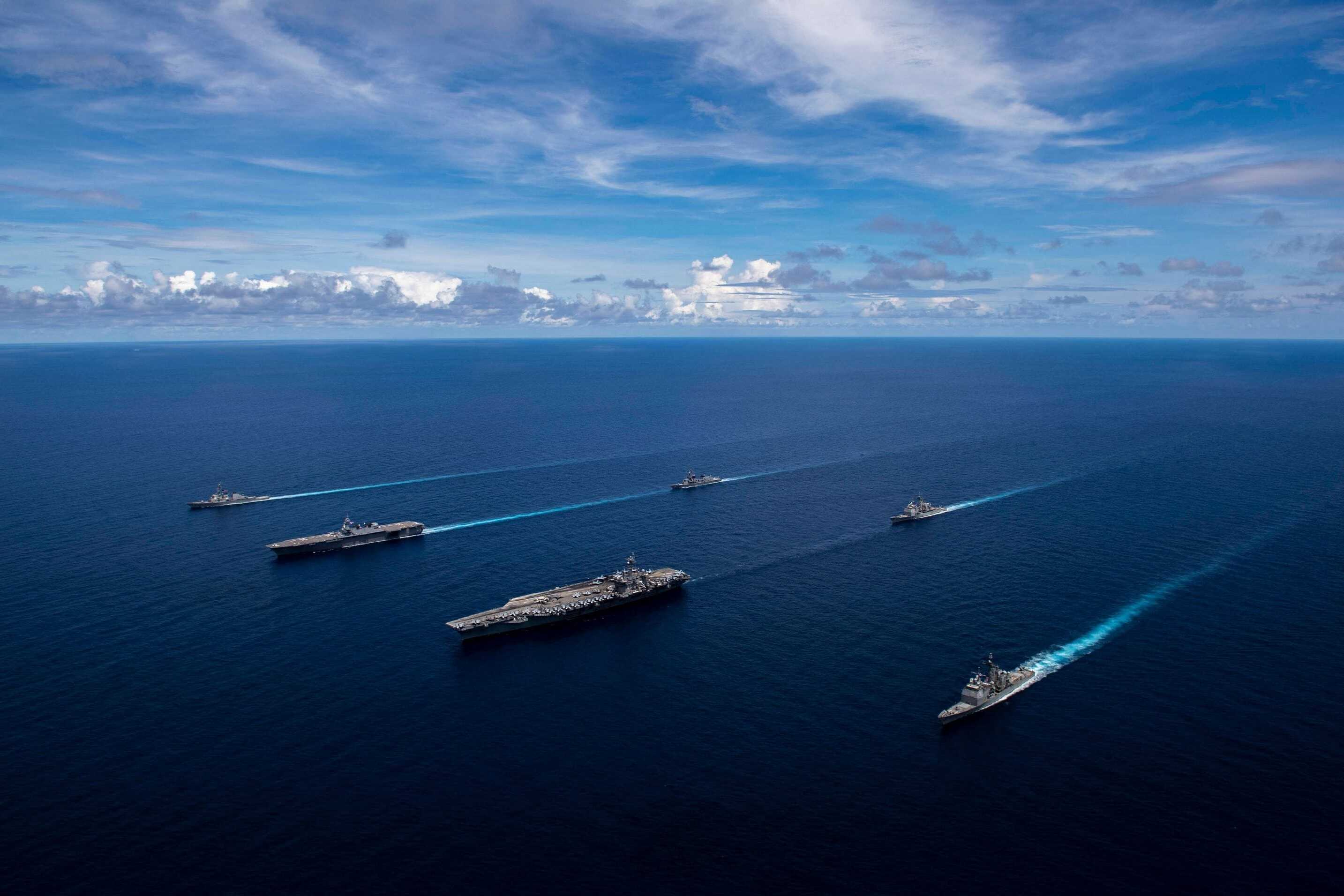
This mosaic of claims fuels an ongoing contest for resource rights. International tribunals have weighed in, but enforcement remains a chess game of naval patrols and diplomatic overtures.
In practice, the race for resources shapes alliances, drives joint development agreements, and occasionally triggers standoffs that make headlines worldwide.
Challenges in Exploration and Exploitation
Balancing economic ambition with environmental stewardship and political realities is no small feat. Below are some of the main obstacles:
- Legal uncertainty — Overlapping claims complicate licensing and investment decisions.
- Technical complexity — Deep‑water conditions demand cutting‑edge technology and substantial capital.
- Ecological sensitivity — Marine habitats are fragile; damage can be irreversible.
- Market volatility — Fluctuating oil prices and the shift toward renewables affect project viability.
Consequently, many corporations adopt a cautious approach, opting for joint ventures that share risk and expertise.
Looking Ahead: What Might the Future Hold?
As global demand for energy and critical minerals climbs, the South China Sea’s subsurface assets will stay in the spotlight. Innovations in offshore extraction, tighter environmental standards, and diplomatic breakthroughs could reshape how these resources are tapped.
One thing remains clear: beneath those turquoise waves lies a complex web of wealth, risk, and responsibility—each layer waiting for the next careful step.