F1 Unveiling The Thrills Of Motorsport
Formula 1 has always existed right on the razor’s edge of human engineering and athletic endurance. For decades, it remained somewhat distant—a glitzy spectacle for the wealthy—until the cultural tipping point arrived recently. Suddenly, the sport exploded into the mainstream consciousness, largely thanks to a critically acclaimed television series and a surge of young talent who look nothing like the stereotypes of the past.
But beyond the streaming numbers and the celebrity drivers, there is something fundamentally magnetic about the grid. It is not just fast cars going in circles. It is a complex, high-stakes chess match played at 200 miles per hour. Understanding what makes this sport so compelling requires looking past the glamour and into the grit of the machinery and the minds behind the wheels.
The Symphony of Steel and Carbon
When you hear an F1 car approaching, it sounds less like an engine and more like a screaming turbine. The current regulations limit the engines to 1.6-liter V6 turbocharged power units, but do not let the displacement fool you. These are the most efficient internal combustion engines ever built. They produce nearly 1,000 horsepower while maintaining a thermal efficiency that surpasses most aerospace standards.
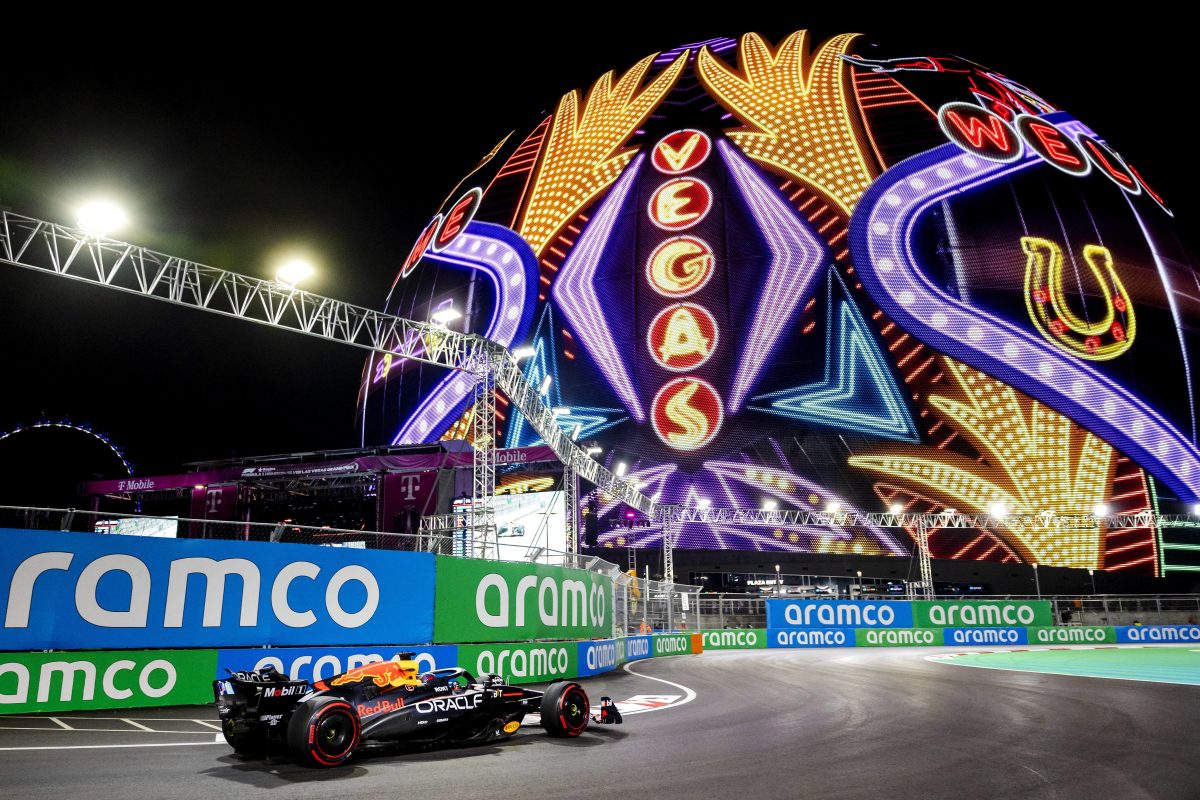
The noise alone is visceral, but the engineering is where the true thrill lies. Every component of an F1 car is designed with one goal: aerodynamic downforce. The front wing, the bargeboards, the rear diffuser—they all work in concert to push the car onto the track. This allows drivers to corner at lateral G-forces that would crush an ordinary sedan. The car weighs just under 800 kilos, yet it can generate downforce exceeding its own weight, allowing it to theoretically drive upside down on a sufficiently sticky ceiling.
This level of precision is maintained by thousands of engineers working in wind tunnels and on supercomputers. A change in the curvature of a wing by just a few millimeters can mean the difference between pole position and a retirement due to mechanical failure. It is a delicate balance, constantly shifting as teams react to rivals’ moves in real-time.
The Human Element Under Extreme Duress
The car is a marvel, but it is only a tool. The driver is the interface between that raw power and the asphalt. Modern F1 drivers are perhaps the most physically fit athletes in sports, closely mirroring NBA stars in their cardiovascular conditioning. During a grand prix, a driver’s heart rate often hovers around 170 beats per minute for over two hours. They can lose up to three kilograms of body weight purely through sweat.
The physical toll is substantial. Neck muscles must be incredibly developed to withstand the G-forces during braking and acceleration. Reaction times need to be sharper than most professional athletes in other sports because there is zero margin for error. A single misjudgment at 150 mph can lead to catastrophic consequences.
Beyond the physical, the mental fortitude required is staggering. Drivers must make complex strategic decisions while pushing their limits. They need to manage tire degradation, fuel loads, and track position, all while dealing with the pressure of millions of fans watching every move. It is a unique blend of raw aggression and calculated restraint.
Strategy: The War Room Behind the Scenes
Watching F1 is not just about enjoying the racing; it is about understanding the strategy. The race is three-quarters drive and one-quarter brain. Teams deploy strategists who analyze tire compounds, weather patterns, and safety car probabilities with obsessive detail. A single pit stop, lasting just 2.5 seconds, can turn the tide of a race if timed perfectly.
The introduction of undercut and overcut tactics adds layers of complexity. Drivers must navigate traffic, manage tire wear, and anticipate when rivals will pit. It is dynamic and often unpredictable. Fans find themselves on the edge of their seats not just for the overtakes, but for the strategic masterstrokes that unfold over dozens of laps. This intellectual depth appeals to a wider audience, including those who might not typically follow motorsports.
The Global Stage And Cultural Shift
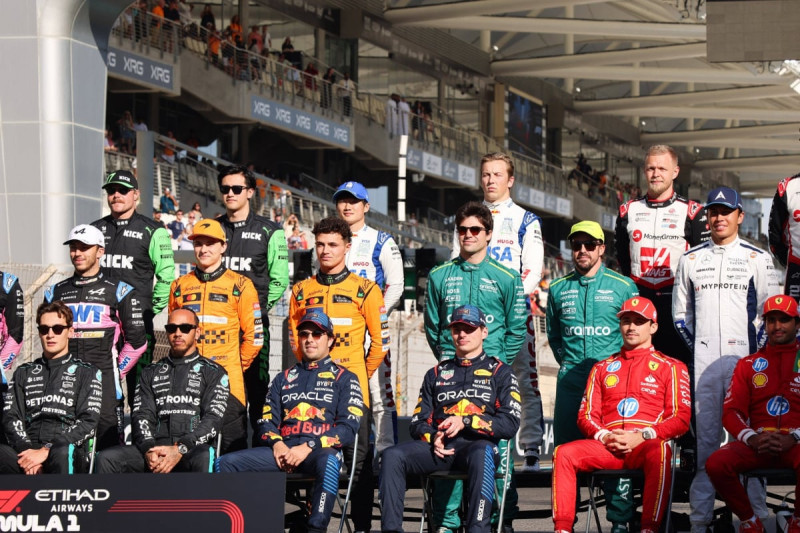
Historically, F1 was criticized for being inaccessible. Tickets were expensive, and the narrative was often dry. However, the recent years have seen a democratization of the sport. New young drivers from diverse backgrounds—such as India, Canada, and France—have captured hearts worldwide. They bring personality, social media savvy, and a relatable charm that older generations of drivers sometimes lacked.
This shift has turned F1 into a global phenomenon. The grid now represents a microcosm of the world, with teams from Japan, Belgium, Italy, the UK, and beyond competing against each other. The sport has become a platform for technological innovation, with partnerships involving giants like Oracle, Red Bull, and Microsoft. The integration of Esports and gaming has further bridged the gap to younger demographics.
Why It Matters Now
The thrill of Formula 1 lies in its juxtaposition of simplicity and complexity. The rules are simple: be the first to cross the finish line. The execution is incredibly complex. It is a testament to human ingenuity, pushing the boundaries of what is technically and physically possible. As the sport continues to evolve with electrification and sustainability goals, it retains its core identity: pure, unadulterated speed and competition.
For the casual observer, the spectacle is enough. But for those who dive deeper, the appeal becomes addictive. It is the combination of mechanical perfection, human resilience, and strategic brilliance that makes F1 uniquely thrilling. It is not just a sport; it is a high-octane engineering festival that happens to have a race at its center.
Frequently Asked Questions
- Who is the best F1 driver of all time?This is highly subjective and often debated. Legends like Ayrton Senna, Michael Schumacher, and Lewis Hamilton are frequently cited depending on the criteria used, such as championships won, race victories, or impact on the sport's growth.
- How fast do F1 cars go?Top speeds typically exceed 230 mph (370 km/h), though the exact figure varies based on the circuit layout and aerodynamic setup. Most races involve significant braking zones, so average speeds are lower.
- Why are F1 cars so expensive?Costs are high due to the extreme level of research and development required to gain a competitive edge. Teams spend hundreds of millions annually on wind tunnel testing, prototyping, and data analysis. However, cost caps have recently been introduced to limit spending and improve competitiveness.
- Can I watch F1 for free?Live broadcasting rights vary by country. Some regions offer free-to-air coverage, while others require a subscription to specific sports channels or streaming platforms. Netflix is also providing exclusive race highlights and documentaries in many markets.