Factoring Explained: Why Selling Invoices Makes Sense
You run a business. You close a deal. You send an invoice. Then... you wait. And wait. If you’re like most small business owners, that waiting game is stressful. You have payroll to cover, suppliers to pay, and rent due. But your cash isn’t coming in for 30, 60, or even 90 days. That’s the classic accounts receivable trap.
This is where invoice factoring comes in. It sounds complicated, often shrouded in financial jargon, but the core concept is remarkably simple. It’s not a loan. It’s not a bank overdraft. It’s a way to turn your unpaid invoices into immediate cash.
Let’s strip away the complexity and look at how this actually works, who needs it, and what it really costs.
How Invoice Factoring Actually Works
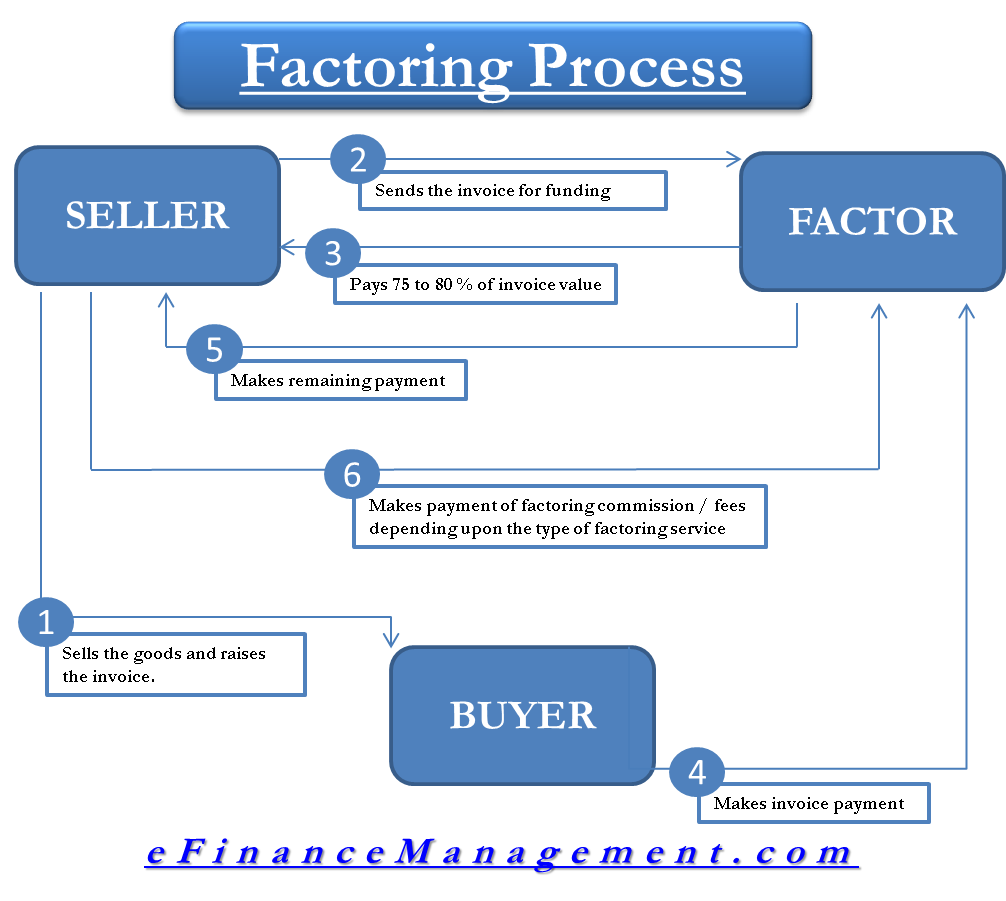
At its heart, factoring is the sale of your receivables. You are selling your unpaid invoices to a third party—a factoring company—at a discount. In exchange, they give you a large portion of the invoice value right away. Usually, you get anywhere from 70% to 90% of the total value within 24 to 48 hours.
Here is the typical flow:
- You invoice your customer. You deliver your goods or services and send the bill as usual.
- You sell the invoice to the factor. You hand that invoice over to the factoring company. They verify the debt.
- You get cash. The factor deposits most of the invoice value into your bank account almost immediately.
- The customer pays the factor. When the payment term arrives (say, 30 days later), your customer pays the factoring company, not you.
- You get the rest. Once the factor collects the full amount, they send you the remaining 10% to 30%, minus their fee.
It’s a straightforward swap. You trade a small percentage of the profit for immediate liquidity. The risk of non-payment often shifts to the factor, depending on the agreement.
Factoring vs. Traditional Loans: The Key Differences
This is where most people get confused. Is a factor just a lender? Not really. There are fundamental differences that matter for your business health.
First, a bank loan increases your debt. It goes onto your balance sheet as a liability. If you default, you are still on the hook for the full amount plus interest. Factoring, on the other hand, is a sale of an asset. It’s not recorded as debt. If the customer fails to pay, in many recourse factoring agreements, you might have to buy back the invoice, but you aren’t chasing a loan balance.
Second, approval criteria differ vastly. Banks look at your credit score, your time in business, and your collateral. They care about you. Factoring companies care primarily about your customers’ creditworthiness. If you are a new startup with zero credit history but you sell to Fortune 500 companies, a factor will likely love you. Your big customers are the guarantee.
Finally, the timeline. Getting a bank loan can take weeks of paperwork, audits, and promises. Factoring can often be set up in days. Speed is usually the primary driver here.
Who Actually Needs Factoring?
Factoring isn’t a one-size-fits-all solution. It tends to work best for specific industries and business stages. It’s most common in sectors where payment terms are long and B2B relationships are standard. Think construction, staffing agencies, manufacturing, wholesale distribution, or medical practices.
If you are a B2C retailer selling directly to consumers, factoring probably isn’t for you. You need long-term, verifiable commercial debts. One-off invoices or inconsistent sales patterns make factoring difficult to structure.
It’s also particularly useful for growing companies. When you’re expanding quickly, your cash needs grow faster than your receivables cycle. You need cash now to fulfill new orders, even if the payment for old orders is still pending. Factoring bridges that gap without requiring equity dilution.
The Cost: It’s Not Free
Let’s be honest about the downside. Factoring costs more than a traditional bank loan. While bank interest rates might hover around 6% to 12%, factoring fees can range from 1% to 5% or more of the invoice face value, depending on the term, the customer’s credit, and the volume you factor.
There are usually two main costs:
- Advance fee: The percentage you don’t get upfront (e.g., if you factor a $1,000 invoice and get 80% upfront, the 20% held back includes the fee).
- Service fee: A percentage charged for the actual funding and collection services.
You have to weigh these costs against the value of having cash immediately. Is paying 3% to cover payroll this week worth it? For many businesses, the answer is yes. The alternative is turning down new work because they can’t afford the materials.
Recourse vs. Non-Recourse: Know the Risk
Not all factoring agreements are the same. The most critical distinction is between recourse and non-recourse factoring.
In recourse factoring, if your customer doesn’t pay the invoice (perhaps they go bankrupt or dispute the goods), you are responsible. You have to buy back the invoice from the factor or replace it with a new, good invoice. This option is cheaper because the factor still carries some risk, mainly operational.
In non-recourse factoring, the factor assumes the risk of non-payment. If the customer defaults, the factor eats the loss. This provides more security for you but comes with a higher fee. It’s like buying insurance on the receivable.
Understanding which type you are signing up for is crucial. Don’t assume you’re off the hook just because you sold the paper.
Is It Right for Your Business?
Factoring is a tool, not a cure-all. It solves immediate cash flow problems and lets you grow without taking on debt. But it comes at a premium. Before you dive in, calculate the total cost of factoring your typical invoice volume. Compare that to the cost of missed opportunities or the strain of delayed payments.
If you have strong customers, slow-paying terms, and a need for speed, it’s a powerful lever. Just make sure you read the fine print, understand the fees, and know exactly who bears the risk when things go wrong.
Frequently Asked Questions
Does factoring affect my relationship with my customers?
In many cases, no. With "notification factoring," your customer knows they need to pay the factor. However, you can often use "silent" or "non-notification" factoring where the customer doesn’t know the invoice has been sold until payment time. Still, transparency is usually best for banking relationships.
How much does factoring cost?
Costs vary widely based on industry, volume, and customer credit. Typically, you’ll pay between 1% and 5% of the invoice value. Higher-risk industries or smaller invoice volumes tend to carry higher fees.
Do I need good credit to use factoring?
Your personal or company credit score matters less than your customers’ creditworthiness. Factoring companies underwrite the invoice based on the buyer’s ability to pay, not the seller’s debt history.
Can I factor all my invoices?
Yes, this is called whole-ledger factoring. Some businesses choose to factor only specific invoices or specific customers, known as selective factoring. It depends on your cash needs and the appeal of your customer base.