Find Your Perfect Fit Best Sports Bras For Support & Comfort
There is nothing quite like the feeling of stepping off a treadmill in a bra that actually works. Conversely, there is nothing quite as demoralizing as realizing halfway through a run that you need more than just a strong core—you need structural engineering. Finding the right sports bra is rarely an exact science in the traditional sense. It is more of a personal negotiation between support, comfort, and breathability. When the fit is right, you forget it’s there. When it’s wrong, it becomes the sole focus of your entire workout.
The market is flooded with options, ranging from five-pack generic sets to high-end, aerodynamic designs. Navigating this landscape can feel overwhelming. The truth is, there is no universal "best" sports bra. The perfect choice depends entirely on your breast size, the intensity of your activity, and your personal tolerance for compression versus wired support. Let’s break down how to find that sweet spot where functionality meets wearability.
Understanding Support Levels: It’s Not One-Size-Fits-All
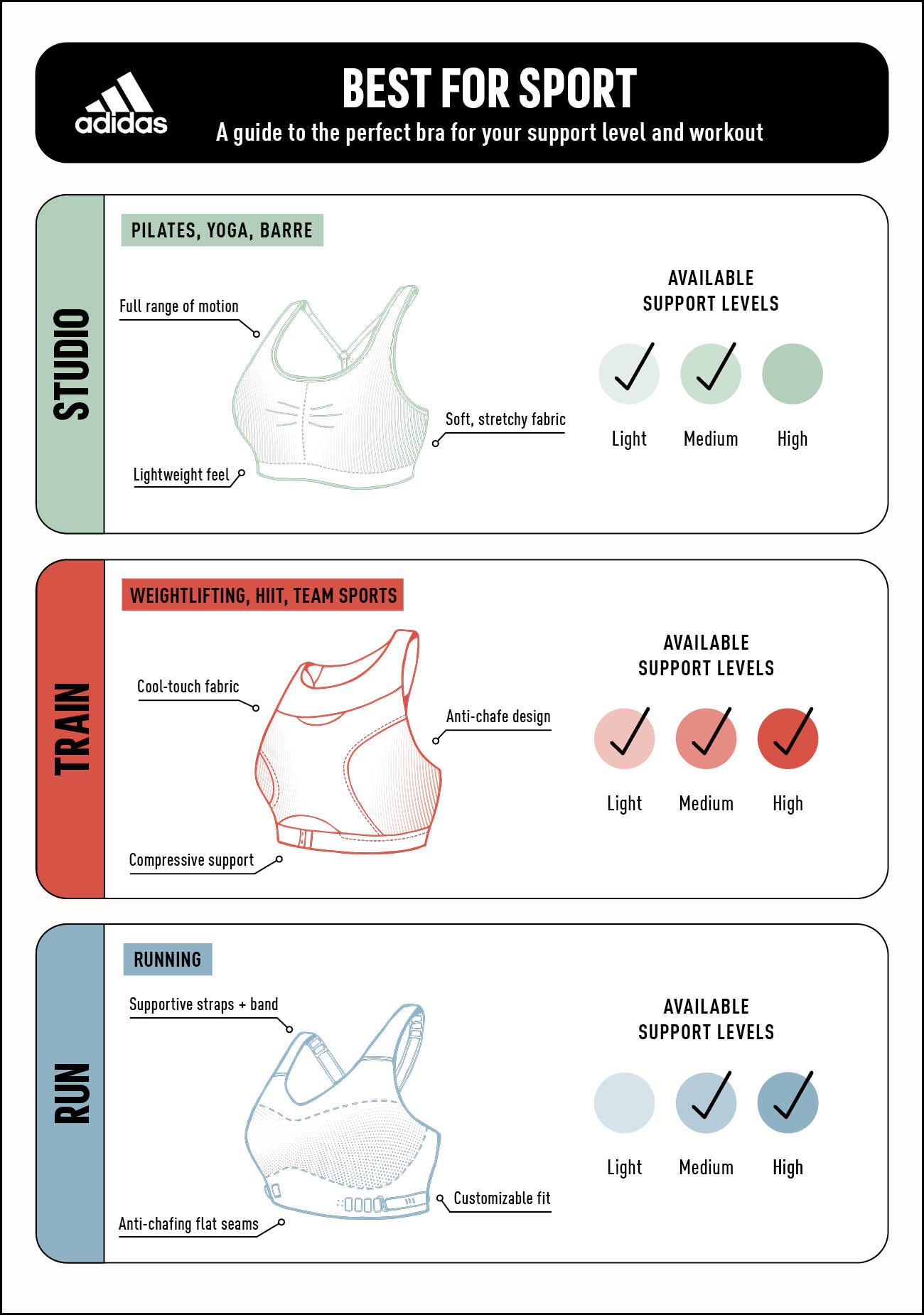
The first step in hunting for the right gear is understanding support categorizations. Most brands divide their offerings into low, medium, and high support, but these labels can be misleading if you don’t know what they actually mean in practice.
- Low Impact: Ideal for yoga, Pilates, light stretching, or weightlifting where movement is controlled and slower. These bras often look like fashion pieces, featuring intricate lace, mesh panels, or soft fabrics. They prioritize aesthetics and light containment over heavy-duty restriction.
- Medium Impact: The sweet spot for many activities like swimming, racquet sports, hiking, incline walking, or moderate cardio. These offer a balance of compression and encapsulation. They usually have wider bands and thicker straps to handle increased motion without digging in uncomfortably.
- High Impact: Essential for running, HIIT, CrossFit, or any activity involving jumping, spinning, or rapid direction changes. These are built like athletic gear. Expect thick padding, underwire or semi-rigid structure, and broad, non-stretchy straps. If you have a larger cup size (C-cup and above), high-impact support is non-negotiable for tissue health and comfort.
Ignoring these distinctions often leads to poor performance and discomfort. Wearing a low-support bra for a 5k run is a recipe for chafed skin and long-term tissue strain. Conversely, wearing a heavy-duty running bra for a gentle yoga flow can feel suffocating and restrictive.
Fabric and Fit: Material Matters More Than You Think
Support structure is only half the equation. The material determines how the bra feels against your skin, especially when sweat enters the picture. Natural fibers like cotton might sound cozy, but they are generally terrible for intense workouts. Cotton absorbs moisture, becomes heavy, and stays wet, leading to chafing and irritation. You want synthetic performance fabrics.
Look for blends containing polyester, nylon, and elastane (spandex or Lycra). These materials wick moisture away from the body, dry quickly, and maintain their shape under tension. A good sports bra should feel slightly snug when dry but not constrict your breathing. If you can’t comfortably take a deep breath, it’s too tight. If the band rides up your back when you raise your arms, it’s too loose.
Fit also depends on the closure type. Front-closure bras are great for ease of dressing and undressing, particularly after a sweaty session when you want to get out of the garment quickly. Back-closure bras often provide a more customizable fit, allowing you to adjust tightness with hooks. Pullover styles are sleek and minimize chafing from clasps, but they require careful sizing to ensure they stay in place without slipping.
Considering Body Type and Sensitivities
Every body is different, and so are sensitivities. Some women prefer encapsulation styles, where each breast is held in its own cup, similar to a traditional bra. This provides shape and separation, which many find more flattering and supportive for larger busts. Others prefer compression styles, which press the breasts flat against the chest. Compression is often lighter and less expensive, but it can cause discomfort or blisters if the fit isn’t precise.
If you have sensitive skin, pay attention to seams. Flat-lock stitching lies flat against the skin, reducing the risk of painful rubbing. Avoid bras with raised seams or rough tags in high-friction areas like the underband and straps. Additionally, consider the width of the straps. Thin "spaghetti" straps may dig into your shoulders during high-impact activities, causing pain and leaving deep red marks. Wider, padded straps distribute weight more evenly across the shoulders.
Common Mistakes to Avoid
One of the most common errors is relying on the size label from your casual bra. Sports bras often have different sizing scales. Some use standard bra sizing (e.g., 34C), while others use S/M/L. Always check the specific brand’s size chart. If you are between sizes, sizing up is often safer for comfort, while sizing down might offer more support but at the cost of breathability.
Another mistake is assuming one bra fits every workout. Maintaining a rotation of two or three different sports bras tailored to different activities is wise. This isn’t just about variety; it’s about preserving the elasticity of the fabric. Like all elastic garments, sports bras lose their snap over time. Washing them after every use and avoiding fabric softeners helps extend their lifespan, but eventually, they will need replacing.
Finding Your Perfect Fit In Practice
Trying on sports bras can be awkward in a store fitting room, but it is worth the effort. Wear a shirt or tank top over the bra and perform some movements. Jump up and down, twist at the waist, and raise your arms overhead. Observe how the bra behaves. Does it shift? Does the band slide up? Do the straps dig in?
Many high-quality online retailers offer generous return policies, making it easier to buy multiple styles and sizes at once to test at home. Once you find a brand and style that works, stick with it. Consistency in fit is key to performance and comfort. The perfect sports bra is an investment in your physical well-being and workout enjoyment. It supports your body so you can focus on the movement, not the mechanics.
Frequently Asked Questions
Should I sleep in a sports bra?
There is no medical requirement to sleep in a sports bra, and it does not prevent sagging or alter breast shape overnight. If it’s comfortable for you, there’s no harm in doing so. However, for optimal skin health and circulation, many experts recommend sleeping without restrictive clothing to allow your body to recover and breathe during rest.
How often should I replace my sports bra?
With regular use (wearing 2-3 times a week and washing after each use), a high-quality sports bra should last about 6 to 12 months. You’ll know it’s time for a replacement when the fabric feels loose, the elastic no longer snaps back quickly, or you notice visible wear and tear like fraying or thinning material.
Can I wear a sports bra as a regular bra?
While it’s possible, it’s generally not recommended for daily wear. Sports bras are designed for compression and support during movement, not for shaping or everyday comfort. Wearing them regularly during sedentary activities can cause unnecessary pressure on your ribs and shoulders. However, some low-impact styles with seamless designs look under fitted clothing and can function as light everyday support if desired.
What’s the best way to wash a sports bra?
Turn the bra inside out and wash it on a gentle cycle in cold water, or hand wash it for best results. Use a small amount of mild detergent. Avoid fabric softeners and bleach, as these chemicals break down the elastic fibers and wicking properties of the fabric. Always air dry your sports bra; the heat from a dryer can damage the elasticity and cause the fabric to lose its shape.