Fintech Explained: A Simple Telugu Guide
Have you ever looked at your phone, tapped an icon, and sent money to a friend in seconds? Or maybe you took a loan from an app without ever stepping into a bank branch? If so, you have already used Fintech. But what exactly is it? Is it just another buzzword, or is it changing how we handle our money for good?
In Telugu, we can think of Fintech as "Financial Technology." It is a combination of two words: Financial (related to money, banks, and investments) and Technology (software, apps, and internet). Simply put, it is the use of modern technology to make financial services faster, cheaper, and more accessible for everyone.
For many people in India, especially in smaller towns and villages, traditional banking used to be a hassle. You had to stand in long queues, fill out complex forms, and wait days for approval. Fintech has turned this upside down. Today, your smartphone is your bank. Let us break this down simply, keeping the Telugu context in mind.
The Rise of Digital Payments
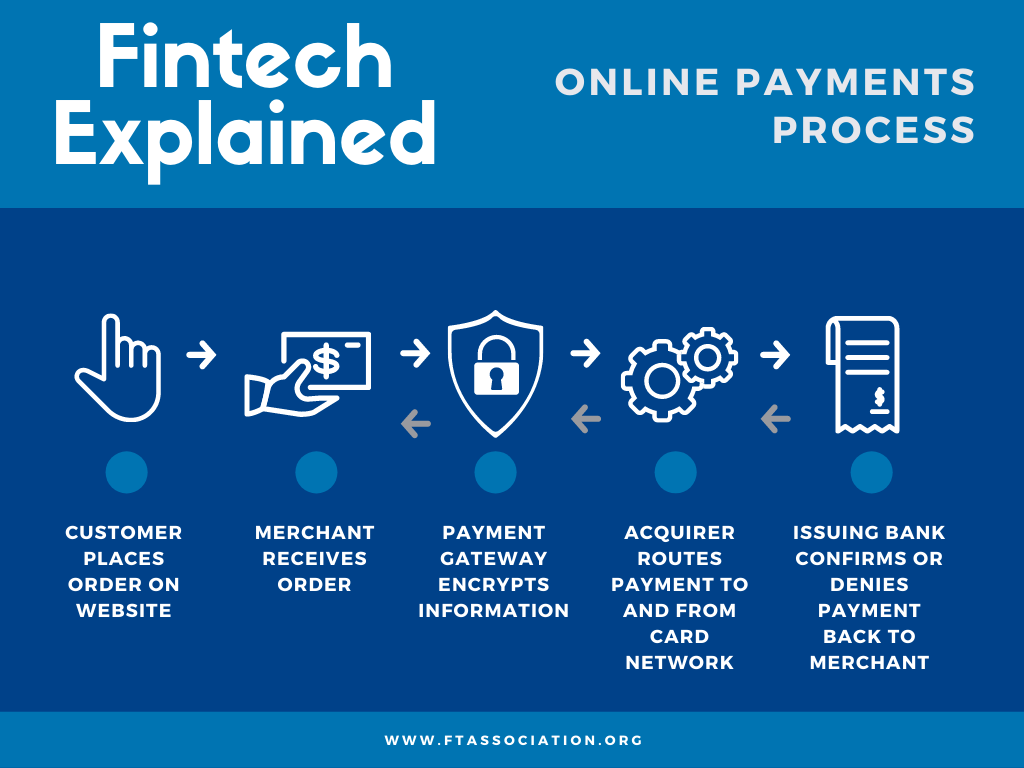
If there is one area where India has truly mastered Fintech, it is digital payments. You likely use UPI (Unified Payments Interface) every day. Whether it is at a tea stall in Hyderabad, a grocery store in Visakhapatnam, or paying rent to your landlord, UPI has become the backbone of the Indian economy.
Before UPI, sending money required bank details, transfer cuts, and fees. Now, all you need is a phone number or a QR code. This shift was not just about convenience; it was about inclusion. Millions of people who previously did not have bank accounts now have access to safe, instant financial transactions. Apps like PhonePe, Google Pay, and Paytm made this possible, turning every Indian into a financier with a few taps.
Lending That Won’t Crush You
Traditional banks are excellent for large, stable loans like home loans or car loans. But what if you need a small amount of cash for an emergency, or a small business owner needs capital to buy inventory? Bank paperwork can take weeks, if not months.
This is where NBFCs (Non-Banking Financial Companies) and digital lending apps step in. Using technology, these companies can analyze your creditworthiness much faster than a traditional bank. They look at your digital footprint—your transaction history, your repayment behavior on other platforms, and even your utility bill payments.
For many small entrepreneurs in Tier-2 and Tier-3 cities across Andhra Pradesh and Telangana, this has been a game-changer. They can get loans in hours, not weeks. However, a word of caution: while Fintech lending is fast, it often comes with higher interest rates. Always read the fine print before clicking "Apply."
Investing Is No Longer Just for the Rich
Remember when investing in the stock market meant calling a broker, paying hefty commissions, and dealing with complex paperwork? That era is over. Fintech startups like Zerodha, Groww, and Upstox have democratized investing.
Today, a student in Warangal or a teacher in Guntur can start investing in mutual funds or stocks with as little as ₹500. These apps provide user-friendly interfaces, educational content in local languages, and real-time market data. They have removed the intimidation factor from investing. You do not need to be a finance expert to start; you just need to start small and learn as you go.
The Dark Side: Risks and Safety
While Fintech brings immense convenience, it is not without its risks. The same ease of access that helps you can also be exploited if you are not careful.
- Data Privacy: When you download an app, you give it access to your personal and financial data. Always choose reputable, registered companies. Check if they are verified by RBI (Reserve Bank of India).
- Phishing Attacks: Scammers often send fake SMS messages pretending to be from your bank or a loan app. Never share your OTP (One Time Password) with anyone, no matter how urgent they sound.
- Impulse Spending:
The Future of Money in India
The Fintech journey in India is just beginning. We are moving towards a completely cashless society. The introduction of the Digital Rupee (e₹) by the RBI is the next big step. This is a digital version of the rupee, issued by the central bank, which promises even more security and privacy than current private apps.
Furthermore, we are seeing a rise in Insurtech (insurance technology). Buying health or car insurance used to involve agents and confusing policy documents. Now, you can buy insurance policies in minutes directly through apps, with clear terms and instant claims processing.
For the youth of India, Fintech is not just a tool; it is a lifestyle. It empowers individuals to take control of their financial destiny. Whether it is saving for retirement, investing for freedom, or simply paying for a movie ticket, technology is bridging the gap between traditional finance and everyday life.
Final Thoughts
Fintech is here to stay, and it is largely for the better. It has stripped away the red tape of traditional banking and replaced it with speed and accessibility. However, with great power comes great responsibility. As we embrace these tools, we must also educate ourselves. Understand how the apps work, protect your data, and use credit wisely.
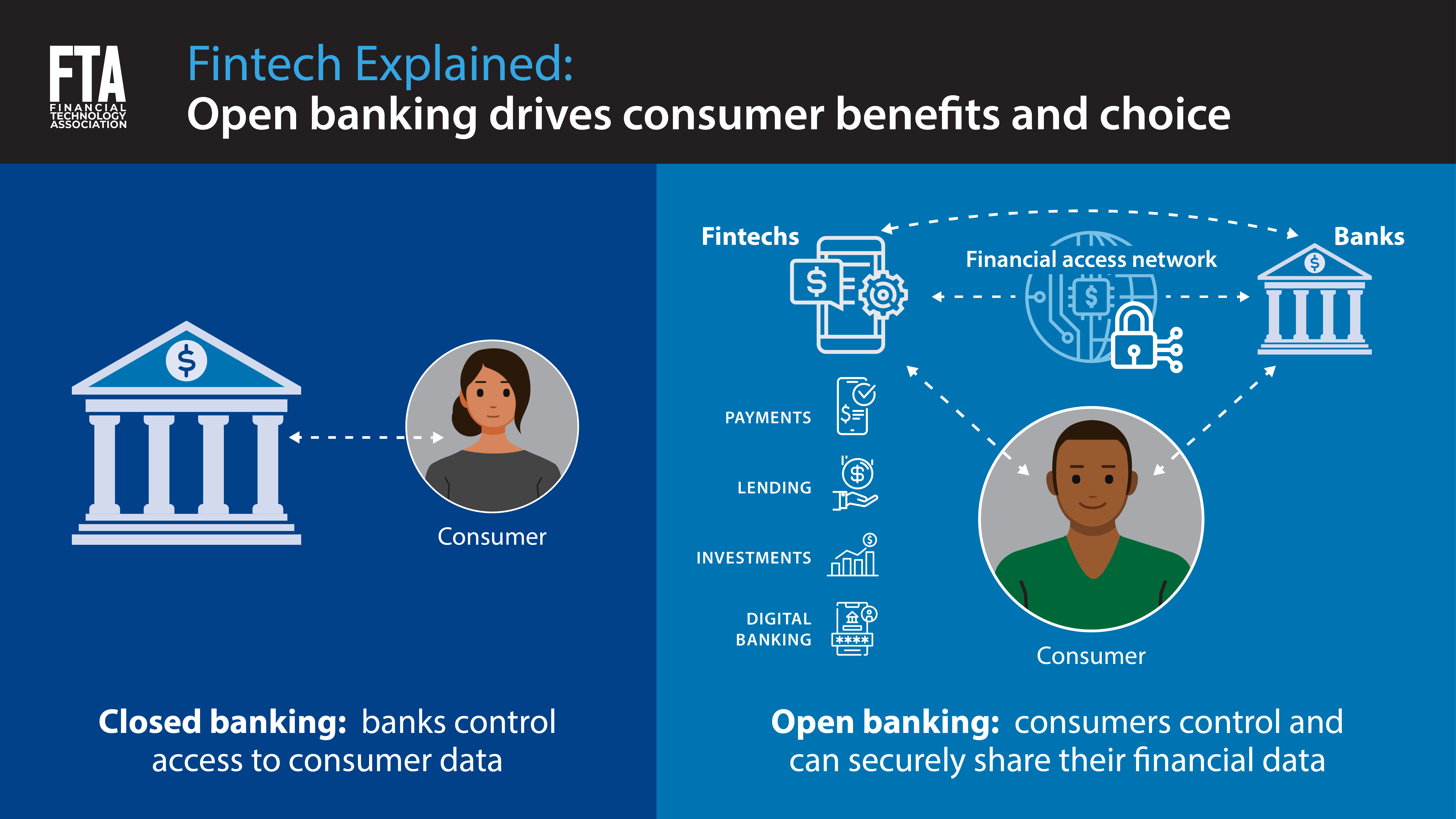
The goal of Fintech is not to replace banks entirely, but to complements them, making financial services inclusive, affordable, and efficient for every citizen. From the bustling streets of Bengaluru to the quiet villages of Rayalaseema, the financial revolution is happening on everyone’s pocket.
FAQs About Fintech
What is the safest way to use Fintech apps?
Always download apps from official stores (Google Play Store or Apple App Store). Verify that the company is registered with the RBI. Enable two-factor authentication (2FA) and never share your OTP or PIN with anyone, even if they claim to be from customer support.
Is Fintech only for urban users?
No, in fact, Fintech has been most impactful in rural and semi-urban areas. In many places, it has bypassed the need for physical bank branches, allowing people who were previously "unbanked" to access savings, payments, and credit for the first time.
How does Fintech help small businesses?
Small businesses benefit from instant payments (UPI), easy digital lending, and inventory management tools. It reduces the cost of transactions and allows business owners to track their finances in real-time, helping them make smarter financial decisions.
Are my investments in Fintech apps safe?
Investment platforms like mutual fund apps are regulated by SEBI (Securities and Exchange Board of India). However, the safety of your investment depends on the market performance, not the app itself. Always ensure the platform is registered and reputable before investing your money.