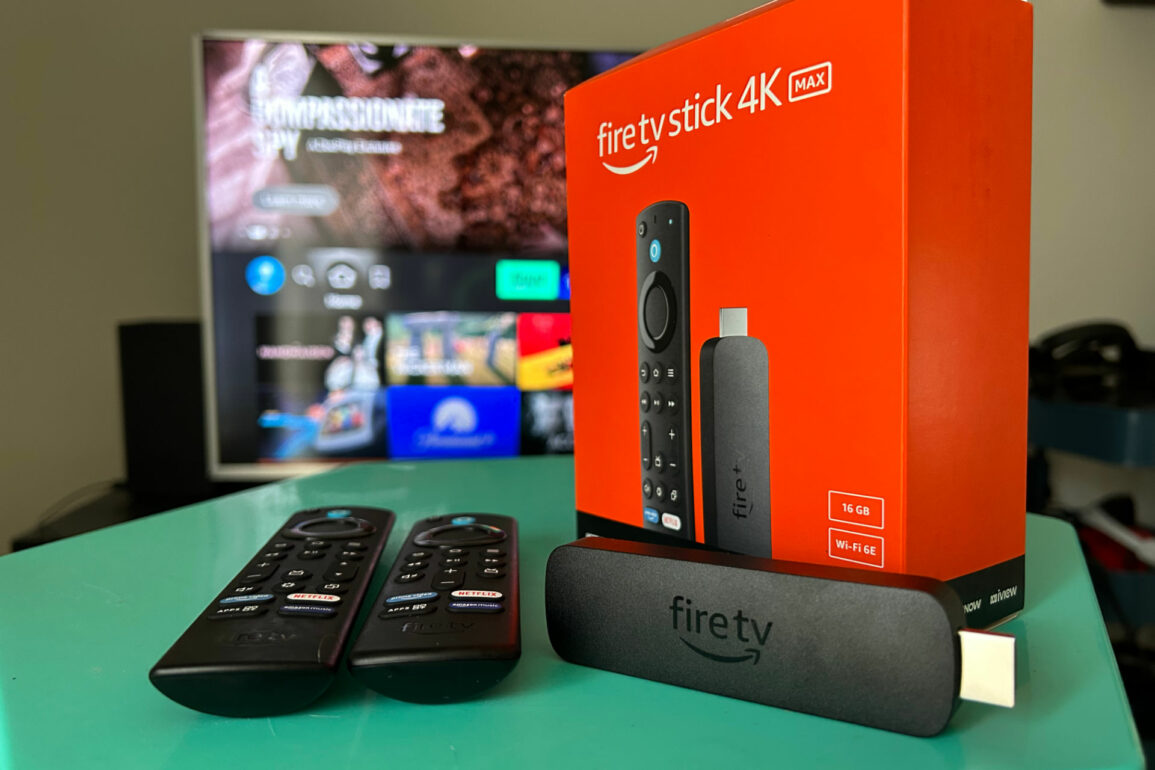
Fire TV Stick 4K Max Review 2024: Is It Still Worth The Upgrade?
Let’s be honest. When a budget streaming device carries the word "Max" in its name, expectations tend to skyrocket. We assume it will be flawless, lightning-fast, and perhaps even a bit overpowered for its price point. The Fire TV Stick 4K Max launched with that promise. It was marketed as the heavy hitter in Amazon’s lineup, designed to crush buffering and deliver cinema-quality picture. But here we are, in mid-2024. The market has shifted. New competitors have entered the ring, and prices have fluctuated. So, does the 4K Max live up to the hype, or is it just a case of shiny packaging masking an older engine?
I’ve spent weeks putting this little black dongle through its paces, testing everything from 4K movie tears to the snappiness of the Alexa voice search. Here is the real talk on whether you should open your wallet for this device in 2024.
Performance: The One Thing That Actually Matters
The most common complaint with the original Fire Stick generation was lag. You’d press a button, wait three seconds, and then the menu would finally respond. It was frustrating. The 4K Max was Amazon’s direct answer to that problem, and it works. The device runs on a quad-core Arm Cortex A73 processor, which, while not brand-new tech anymore, is remarkably efficient.
In daily use, the interface is buttery smooth. Scrolling through long lists of titles on Netflix or Prime Video feels instant. Channel switching on live TV apps is noticeably quicker than on the standard 4K model. If you’re upgrading from an older Fire TV or a basic Roku Express, the performance jump is dramatic. However, if you’re coming from a high-end Nvidia Shield or an Apple TV 4K, you might not notice the difference. The 4K Max is fast, but it’s "budget smart" fast, not "high-end power user" fast.
Storage is another area where the 4K Max shines compared to its predecessor. It comes with 16GB of storage, up from the puny 8GB or 16GB (with only 8GB usable) seen in earlier models. This buffer allows for smoother app switching and faster system updates. It matters more than you’d think when you have multiple streaming apps open at once.
Picture Quality: Beyond Basic 4K
Amazon claims the 4K Max supports Dolby Vision, HDR, HDR10+, and even richer colors. In practice, this means your movies look significantly better than on standard definition streams. The support for HEVC Main 10 decoding allows for more detailed color gradations, which is noticeable in dark scenes where you can actually see detail in the shadows rather than just a block of black.
However, there is a catch for some users. The device does not support HDR10+, which is preferred by Samsung TV owners. If you have a newer Samsung, you won’t get the full benefit of that specific HDR format. Instead, the Stick relies heavily on Dolby Vision and HDR10, which are widely supported. For the vast majority of TVs, the picture quality is top-tier for the price. Just don’t expect it to perform magic if your TV panel itself is low-end.
The Alexa Experience: Love It Or Hate It
Here is where the experience splits depending on who you are. If you are deep in the Amazon ecosystem, the Alexa integration on the 4K Max is seamless. The remote works well for voice commands, allowing you to search across all your apps simultaneously. Want to find "The Bear"? Just say it, and Alexa will scan Netflix, Hulu, Prime, and HBO Max to tell you where it is. It’s a genuinely useful feature that saves time.
The remote also includes dedicated buttons for popular services like Netflix, Prime Video, and Disney+. This cuts down the steps needed to launch your favorite apps. However, if you aren’t an Alexa fan, or if you live in a home where Siri or Google Assistant is king, this feature feels like bloatware. It’s not something you *need*, but it’s heavily promoted. The voice recognition is accurate, though it can occasionally struggle with heavy accents or background noise, a common issue across all smart speakers.
Connectivity and the Wi-Fi Achilles Heel
The Fire TV Stick 4K Max supports Wi-Fi 6, which is a significant step forward. In theory, this means better connectivity in crowded networks with multiple devices streaming simultaneously. During testing, I found that the device handled 4K streaming without buffering, even when my laptop was downloading large files on the same network.
However, wireless streaming is always susceptible to interference. If your Wi-Fi router is far away or behind thick walls, you might still experience hiccups. Unlike high-end boxes that offer Gigabit Ethernet connections, the 4K Max relies entirely on Wi-Fi. While the adapter for an Ethernet dongle exists, it’s an extra cost and adds clutter. For most living room setups, the Wi-Fi 6 support is sufficient, but it’s worth noting for those with challenging home networks.
Who Should Buy It?
The Fire TV Stick 4K Max is rarely available at its full MSRP of $59.99. It is almost always found for around $39.99 to $49.99 during sales. At the lower end of that price range, it is undeniably a winner. It offers a polished, high-resolution experience that beats the standard 4K Stick in speed and features.
If you are currently using a third-generation Fire Stick, upgrading to the 4K Max makes sense if you have a 4K or HDR TV. The performance boost is immediate. If you are comparing it to the Google Chromecast with Google TV or the Roku Ultra, the 4K Max holds its own, particularly in terms of raw performance and app launch times.
However, if you can find it for $59.99 or more, you might want to wait for a sale. At that price point, competitors offer similar specs, and the value proposition weakens. Ultimately, the 4K Max is a solid, reliable device that does exactly what it promises. It’s not perfect, but for a budget 4K streamer, it’s hard to beat when the price is right.
Frequently Asked Questions
- Does the Fire TV Stick 4K Max support 120fps HDR?
No, the Fire TV Stick 4K Max does not support 120fps HDR. This feature was introduced with the newer Fire TV Stick 4K Max (2nd Gen) released later in 2023. The original 4K Max tops out at 60fps HDR.
- Can I use the Fire TV Stick 4K Max with a 1080p TV?
Yes, you absolutely can. While you won’t get the 4K resolution benefits, the device will downscale content to 1080p. Additionally, the improved processor will make the interface feel faster on your older TV compared to older Fire Stick models.
- Is an Ethernet adapter included?
No, the Fire TV Stick 4K Max does not come with an Ethernet adapter. You will need to purchase the official Ethernet adapter or use a compatible third-party USB-to-Ethernet adapter if you want a wired connection for better stability.
- How does it compare to the Fire TV Stick Lite?
The 4K Max is significantly more powerful. It supports Wi-Fi 6, has a faster processor, includes 16GB of storage, and supports all major HDR formats. The Lite is a basic 1080p device intended for very budget-conscious buyers who do not own a 4K television. The performance difference is substantial.